What are the threats facing Bwindi Impenetrable National Park: Key Challenges faced?
Threats facing Bwindi Impenetrable National Park: Bwindi Impenetrable National Park is nestled in southwestern Uganda, spanning an area of about 321 square kilometers. It is located in the districts of Kanungu, Kisoro, and Kabale in the Albertine Rift. It is a UNESCO World Heritage site with various species that include 120 mammal species, 350 bird species, over 400 mountain gorillas, and various plant species. Bwindi National Forest is an ancient rainforest that has lived for over 25,000 years with different vegetation types that include tropical lowland vegetation, montane vegetation, canopy tree species, bamboo trees, among others. Its unique biodiversity and hosting over half of the world’s endangered species have made the park known worldwide.
Bwindi Impenetrable National Park faces a lot of threats, hence forcing the government to restrict conservation measures that protect the biodiversity of the park. Conservation in Bwindi National Park ensures community engagement, protection of the mountain gorillas through anti-poaching measures, and carrying out research, which helps protect the wildlife in the park.
Habitat loss and Encroachment
Habitat loss is a threat to Bwindi National Park due to the high rates of deforestation where forest land is destroyed for crop cultivation and human settlement, reducing the availability of gorilla shelters. The destruction of habitats has resulted in human-wildlife conflicts where gorillas venture into the surrounding communities, resulting in the destruction of property.
Due to the high consumption of firewood, humans have destroyed the forest vegetation gorillas depend on. The development of infrastructures like roads and community projects has resulted in the encroachment of the forest. It has also resulted in habitat fragmentation where isolated habitats are being formed, limiting the movement of the mountain gorillas from one place to another. The increasing population around the park boundaries has resulted in the competition of natural resources, resulting in habitat loss.
Poaching and Illegal Wildlife trade
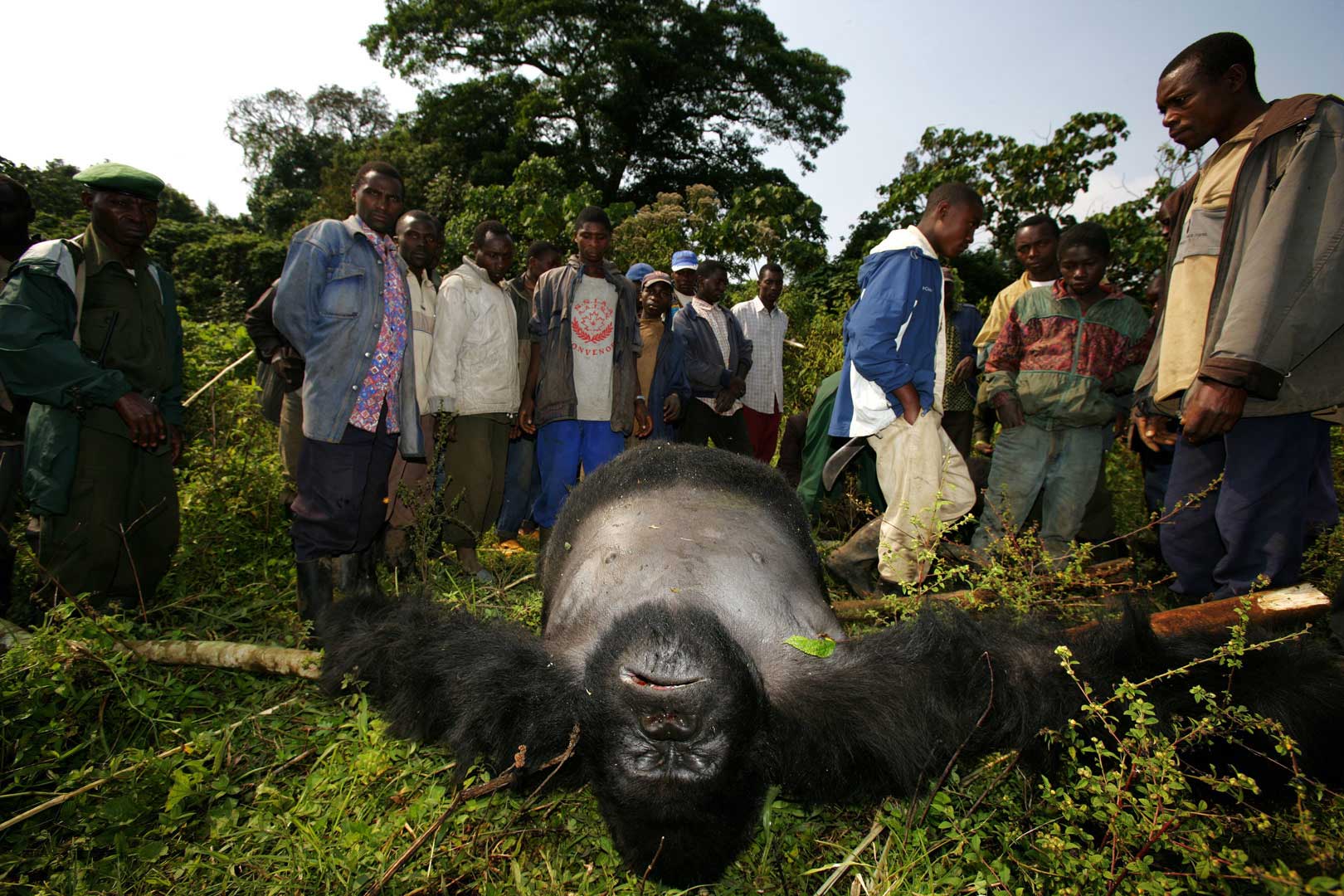
Poaching involves the use of snares that injure the mountain gorillas despite poachers aiming at hunting small animals. Sometimes, poachers aim at capturing infant gorillas for illegal international trade since some people raise gorillas as pets, which forces them to kill gorilla families that protect their young ones. Increased poverty, forcing the local people to encroach on the forest resources and also kill gorillas for meat consumption.
Disease transmission
Since humans share 98% DNA with the mountain gorillas, disease transmission makes the mountain gorillas more vulnerable. The moment mountain gorillas get exposed to any form of illness, for example, flu, colds, or viruses, this results in a high risk of threats. Therefore, tourists who visit the gorillas for trekking are advised to maintain the 7-meter distance.
Deforestation and Resource Exploitation
Deforestation has resulted in the destruction of vegetation zones that act as habitats for endangered mountain gorillas and other wildlife species and also limited the food availability of the wildlife. The cutting down of trees has affected the vegetation due to the changing weather patterns and the isolation of wildlife populations. The increased demand for wood fuel and charcoal burning has resulted in the cutting down of trees. Illegal logging has also led to the destruction of important plant species like medicinal plants that are used by the local people to heal sicknesses. Increased logging can result in the exposure of wildfires, which may result in the death of some wild creatures.
The increasing population surrounding the park has led to the destruction of the forest due to the large expansion of land for settlement. Since Bwindi National Park is characterized by steep terrain, tree cutting exposes the forest grounds to high rates of erosion, resulting in flooding. Illegal mining has created large gaps in the forest canopies, hence reducing the conservation efforts in the park.
Climate change impacts
Climate change has significantly caused a shift in the tropical rainforest and the wildlife in the Bwindi National Park. Climate change has influenced the vegetation coverage, food availability, and the forest ecosystem, among others.
The rising temperatures have increased heat stress among the wild animals, forcing them to migrate to other areas. The high temperatures have also increased the rates of transpiration, resulting in water loss among the plant species on which the endangered species fed to keep their bodies hydrated. Since Bwindi is characterized by steep terrain, during the heavy rains, there are high rates of erosion since the vegetation cover is limited and the rates of deforestation are high.
The changing weather patterns have affected the growth of plant life in Bwindi, reducing the availability of food. It has also altered the growth rates of some plants. While drought-resistant plants keep growing, the undergrowth is being affected since they can no longer depend on the weather conditions.
Climate changes have affected the agricultural crops of the local people, forcing them to depend on the forest resources for firewood, hence resulting in the cutting of trees and expansion of the forest land to widen their farmlands. This has caused the increased competition of resources between the local communities and the forest ecosystem.
Climate change has also resulted in increased spread of infectious diseases among the endangered species. The varying environmental conditions have disrupted the immune system of the mountain gorillas, making them vulnerable to infectious diseases. The increased movement searching for food and shelter has resulted in high stress levels, making them exposed to diseases.
Other threats include political unrest and infrastructural developments like roads that result in the destruction of the forest vegetation, among others.
Conservation responses and mitigation measures to the threats of Bwindi national park
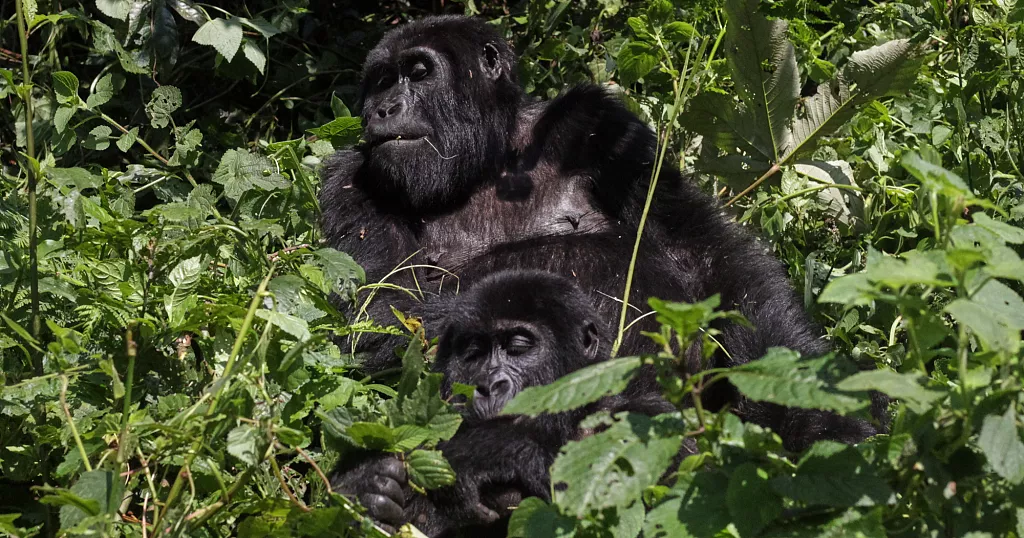
Conservation measures that help to reduce the impact of threats on the national park and promote the safety of the wild creatures include the following: promoting community-based conservation through educating the local people about the conservation measures, like reforestation, to reduce human dependency on the forest resources.
Emphasizing anti-poaching patrols that prevent logging and carry out the daily monitoring of the movements and social interactions of the mountain gorillas. emphasizing that safety guidelines for gorilla trekking include maintaining a 7-meter distance to prevent further spread of diseases. Promoting research and monitoring to ensure that mountain gorillas are in good health conditions.
In conclusion
Bwindi Impenetrable National Park faces various threats, but through conservation measures and anti-poaching strategies, the park emphasizes the safety and protection of the mountain gorillas and the tourists.