Bwindi National Park Mammals.
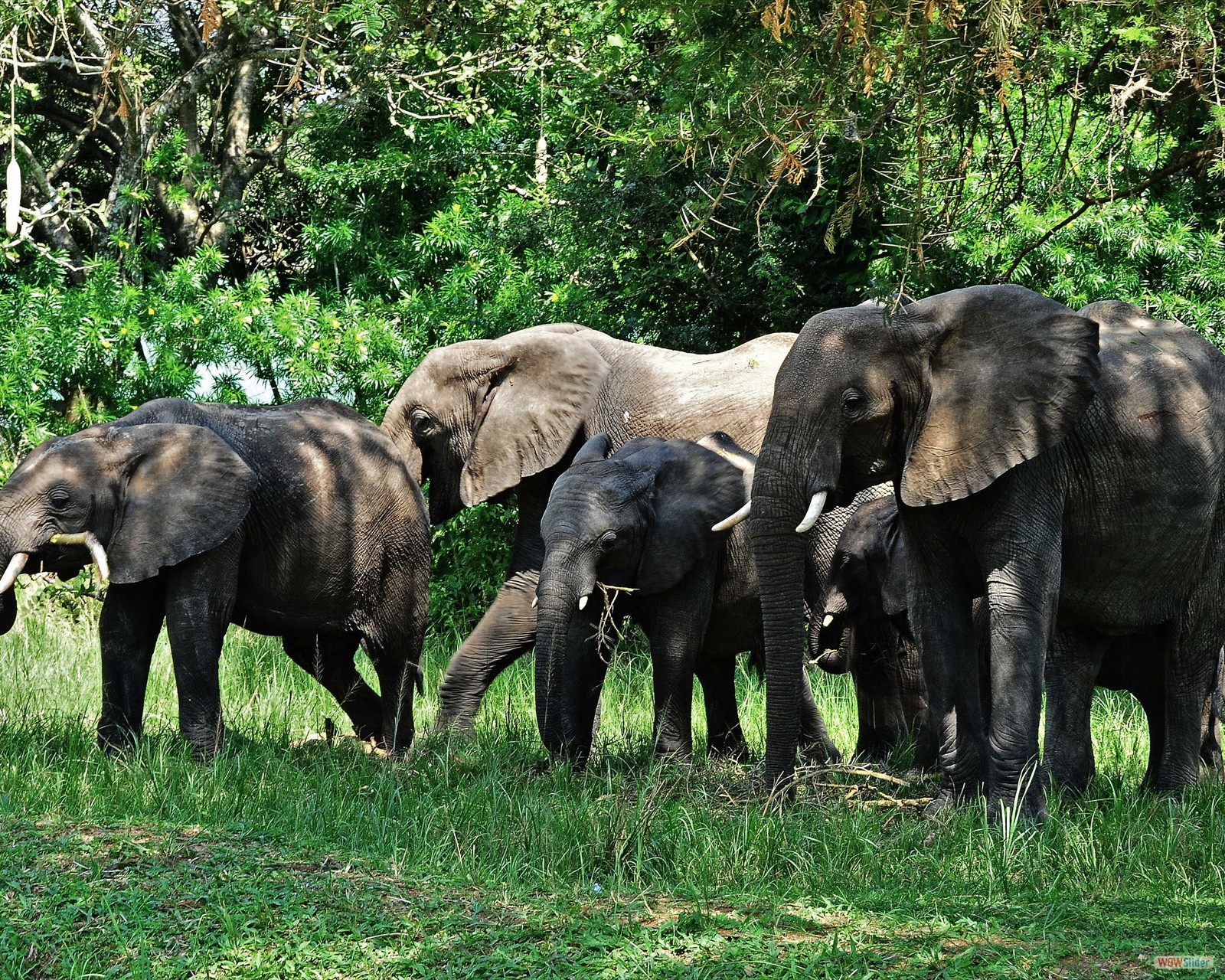
Mammals Found In Bwindi National Park: Bwindi National Park is the most known park in Uganda, which is located in the southwest of Uganda in the Albertine area, close to the border between Uganda and the Democratic Republic of the Congo. Bwindi has the greatest number of mountain gorillas remaining in the world, which is renowned as the destination for mountain gorillas. Bwindi Impenetrable Forest National Park is a home to around 120 different kinds of mammals. Bwindi’s mammals can only be spotted when hiking, nature walking, gorilla trekking, and bird watching, among other park activities. Animals are spotted moving around in the search of food or a place to rest during these activities.
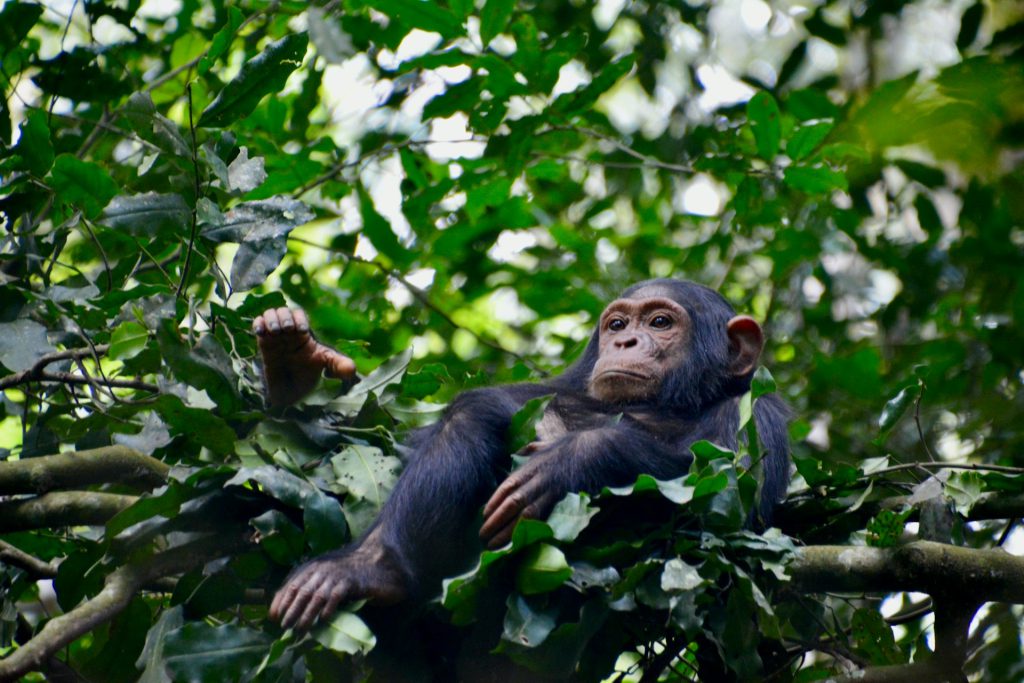
The park provides habitat for 120 species of mammals, ten of which are primates; more than 45 small mammal species; 348 species of birds; 220 species of butterflies; 27 species of frogs, chameleons, and geckos; and many endangered species. Mammals like duikers, warthogs, golden cats, elephants, buffaloes, giant forest hogs, bush pigs, black-fronted duikers, yellow-backed duikers, side-striped jackals, clawless otters, rodents, civets, and many bats, which are all spotted during the park’s activities. Primates, reptiles, amphibians, and snakes are among the wild creatures found in Bwindi. Mountain gorillas and chimpanzees; grey-checked mangabeys; red colobus monkeys; potto; blue monkeys; red-tailed monkeys; Hoest’s monkeys; De Brazza monkeys; Demidoff’s galago; and olive baboons are inclusive of the ten primates found in Bwindi Impenetrable National Park.
The park also supports elephants (Loxodonta africana; vulnerable), bush pigs (Potamochoerus larvatus), giant forest hogs (Hylochoerus meinertzhageni), black-fronted duikers (Cephalophus nigrifrons), yellow-backed duikers (Cephalophus silvicultor), clawless otters (Aonyx capensis), side-striped jackals (Canis adustus), civets (Civettictis civetta), and other numerous species.
The rare mountain gorillas
Uganda is one of the exceptional destinations in the world where mountain gorillas are found. Bwindi Impenetrable Forest National Park and Mgahinga National Park feature as the only two protected areas where visitors can witness the beauty of the gorillas. About 480 individuals of these apes are all confined in the jungles of Uganda, whose mountain gorillas share about 95% of their DNA with humans, making them very susceptible to human infectious diseases. They have over 12 groups that have been habituated for visitor experiences.
Chimpanzees: They are described as the closest relatives; they share about 98.7% of their DNA with humans. The most concentrated area with the largest number of chimpanzees is the Kibale Forest National Park.
The birds are also a stronghold in Bwindi National Park, with over 340 species of the unique birds. It is the best for birdwatching in Uganda. The forest has various endangered species, which are the Chapin’s flycatcher, Grauer’s broadbill, and the Shelley’s crimsonwing. More of these include regal sunbirds, bronze-naped pigeons, handsome francolins, collared apalises, white-bellied robin chats, black-billed turacos, and many more species.
Bwindi National Park is a home for over 200 butterfly species, including the African and cream-banded swallowtails. It is also home to more than 20 species of amphibians, including 14 species of snakes and 14 species of lizards.
Bwindi Forest Ecosystem Explained
The ecosystem of Bwindi, where Bwindi is located in the southwestern part of Uganda on the edge of the rift valley, covers the districts of Kisoro, Kabale, and Kanungu. The park occupies an area of about 321 sq. kilometers and is nestled in the Kigezi Highlands at an altitude ranging from 1,190 meters to 2,607 meters above sea level. Bwindi lies on the border of the DRC and Uganda, making it easily accessible from those countries. Bwindi is a tropical rainforest ranging from 7 to 15°C (minimum) to 20 to 27°C (maximum). The area receives rainfall between 1,400mm and 1,900mm annually. Statistics reveal that Bwindi receives more than 20,000 visitors each year, making it the most popular national park. The ecosystem of Bwindi includes plants, animals, climate, and landscape and how they work together to form a bubble of life in the forest.
Vegetation
Bwindi Impenetrable National Park on a Uganda safari has four types of vegetation, which include montane vegetation, lowland forests, bamboo, and subalpine vegetation. Approximately 50% of the park is covered by mixed vegetation and trees forming dense canopies, including species like red stinkwood, Newtonia, and East African yellowwood. The vegetation in Bwindi improves the ecosystem by providing habitat and food for wildlife, including mountain gorillas, elephants, birds, chimpanzees, and other species. The vegetation also contributes to rainfall formation in the area through evapotranspiration, therefore modifying the climate.
Climate
Bwindi Impenetrable National Park experiences a tropical climate characterized by heavy rainfall throughout the year and relatively warm temperatures. The park receives significant rainfall mainly in the months of March to April and September to November. Bwindi does not have a completely dry season, as light rains are experienced even during the dry months. The heavy rains in Bwindi increase water availability, which supports the growth of vegetation and the survival of wildlife. The tropical climate also influences soil development, increasing fertility and the availability of nutrients in the soil, which in turn sustains the park’s biodiversity.
Animals in Bwindi
Bwindi Impenetrable National Park is a home to over 120 mammal species and 350 bird species, as well as reptiles and amphibians. Mammals include primates such as mountain gorillas, chimpanzees, and monkeys as well as ungulates like elephants and duikers. Bird species include the great blue turaco, Rwenzori turaco, African grey hornbill, crowned hornbill, green-headed sunbird, and Shelley’s crimsonwing.
Birds and mountain gorillas contribute to the ecosystem through seed dispersal, which promotes plant growth and diversity. Other animals, such as insects (butterflies), pollinate plants, facilitating reproduction and fruit production, hence contributing to the ecosystem.
Hydrological Significance
Bwindi forms part of the upper catchment for rivers flowing into Lake Edward. Which links into the Albertine Nile. It acts as a sponge for regional rainfall, storing and slowly releasing water through its dense root networks. This service maintains ecological functions both within and outside the park boundary.