Ultimate Guide to Wildlife in Bwindi Impenetrable National Park.
Wildlife in Bwindi Impenetrable National Park, where the park is a UNESCO World Heritage site. It is located in the southwestern part of Uganda with rich biodiversity. The main tourist attraction in Bwindi National Park is the endangered species. It has over 400 mountain gorillas; 11 primates, including chimpanzees and monkeys; 1,000 different plant species; 350 different bird species, of which 23 are Albertine rift endemics; and over 200 butterfly species. Bwindi National Park has steep terrains with deep valleys and major rivers and lakes. It is also known for having the first habituated gorilla family, called the Mubare gorilla family. Bwindi National Park is the best park for gorilla trekking and gorilla habituation experiences due to the high population of the mountain gorillas. The different trekking sectors in Bwindi include Buhoma, Rushaga, Ruhija, and Nkuringo.
Bwindi wildlife conservation protects the ecosystem and biodiversity. Wildlife helps with carbon sequestration, and protecting it ensures that it does not become extinct. Wildlife conservation has helped in supporting local communities around the park and maintaining the health of the local people.
Wildlife in Bwindi impenetrable national park
Mountain gorillas, which are the main attraction of Bwindi National Park. Bwindi shelters half of the world’s endangered species. Mountain gorillas share 98% DNA with humans, meaning they are highly susceptible to contagious diseases like flu and cough. These endangered species survive in Bwindi National Park, Virunga Volcanoes, and Volcanoes National Park in Rwanda. The silverback leads and protects the gorilla families. These gorillas are intelligent creatures and are friendly if not provoked. Mountain gorillas weigh between 350 and 500 pounds and have strong muscular arms. Male mountain gorillas are called silverbacks. Their life span ranges between 40 and 50 years. These endangered species are diurnal and consume large quantities of food. Mountain gorillas build nests on tree branches where they sleep as infants, and they build their shelters on the ground. They are herbivorous creatures that consume plant parts like stems, leaves, succulent roots, flowers, and fruits.
Gorilla families in Bwindi national park
Each sector in Bwindi has different gorilla families. Some are habituated gorillas, and some mountain gorillas are undergoing the habituation process. Gorilla families in the Buhoma sector include the Rushegura family, Mubare family, Muyambi family, Katwe, Habinyanja, Binyindo family, and Kanywanyi family. Gorilla families in the Ruhija sector include the Kyaguliro family, the Bitukura gorilla family, the Mukiza family, Oruzogo, Kyagulira, and the Happy Gorilla family. Gorilla families in the Rushaga sector include the Nshongi, Bweza, Mucunguzi, Kahungye, Bikingi, Mishaya, Kutu, Busingye, and Rwigi. Nkuringo gorilla families include the Nkuringo gorilla family, the Bushaho family, the Christmas gorilla family, and the Posho family.
Primates in Bwindi national park
Bwindi Impenetrable National Park has a variety of primates that contribute to the ecosystem of Bwindi Forest. These primates primarily consume plant species like stems, roots, and leaves, reducing the thick vegetation. The different primates in Bwindi include
Chimpanzees
These are referred to as close relatives of humans. These creatures contribute to the ecosystem of Bwindi Forest. During the day, they split into small groups to seek food.
Colobus Monkeys
These consist of black and white fur. These monkeys spend their lifetime in the forest. They lack thumbs, but they have elongated fingers that are used to swing and climb in the thick, dense forest of Bwindi. These enable them to search for food and move in the forest canopies. They consume leaves, stems, and fruits.
‘L’Hoest’s Monkeys
These monkeys have a dark brown and a chestnut-colored coat. These monkeys are easily spotted at the forest edge and trails of the park. They live in small groups led by the female monkeys. They are omnivorous, feeding on both plant life and animals like small invertebrates.
Blue Monkeys
They are similarly related to the golden monkeys. These monkeys are found in all national parks.
Red-tailed monkey
These have white chests and a heart-shaped patch on their noses. These creatures are mostly found in Semliki National Park, Queen Elizabeth National Park, and every tropical rainforest in the world.
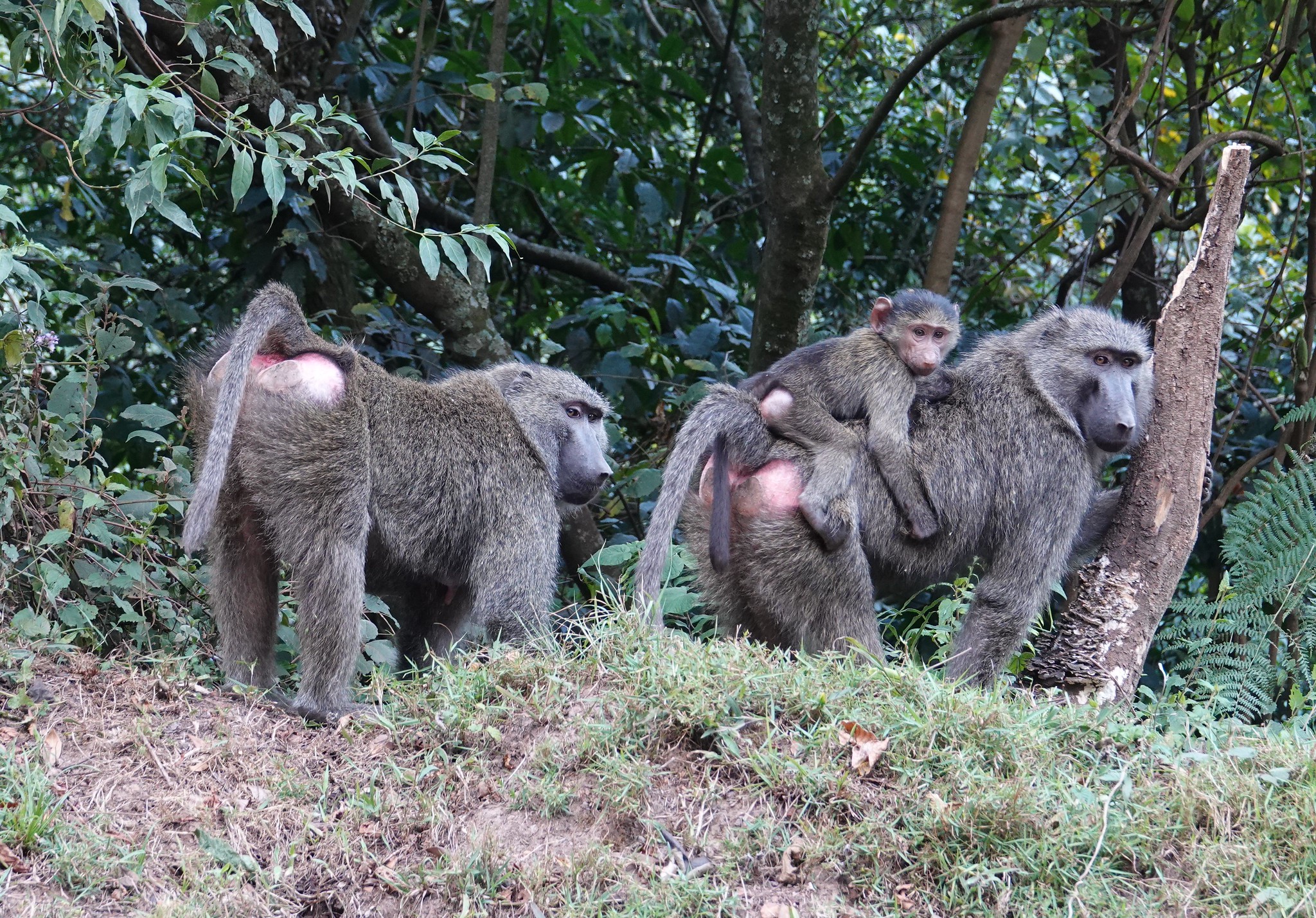
Baboon
These are brilliant creatures. These have long canine teeth. They are notable primate species.
Mammals in Bwindi National Park.
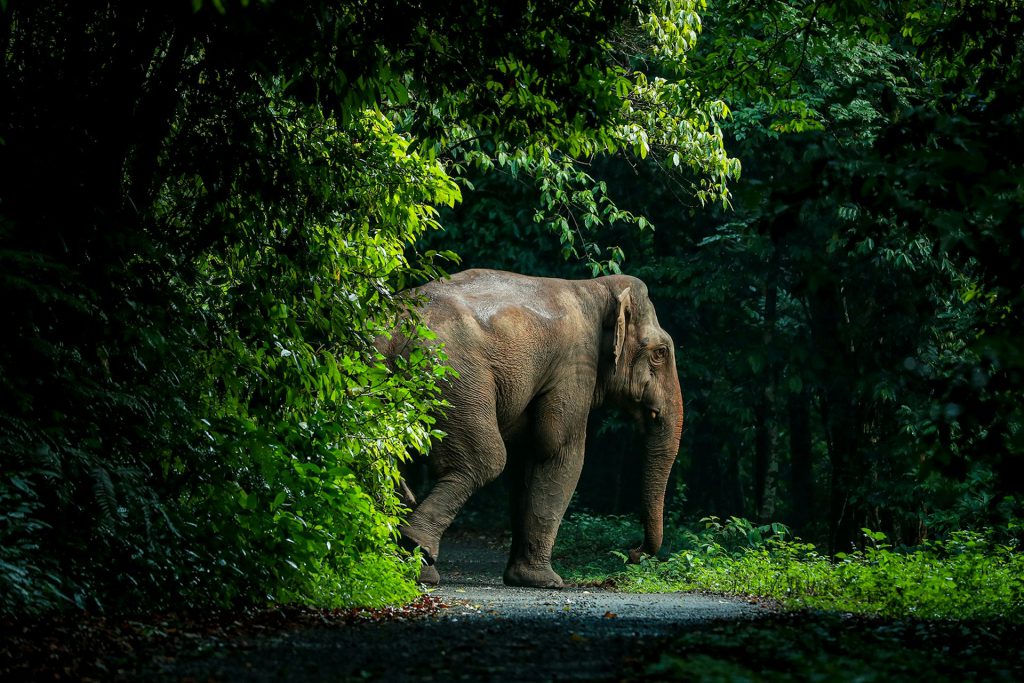
Over 120 mammals inhabit the trails of Bwindi Impenetrable National Park. Some mammals include forest elephants, chimpanzees, mountain gorillas, bush pigs, giant forest hogs, and clawless otters, among other small mammals.
Birdlife in Bwindi national park
Bwindi Impenetrable National Park is home to over 350 bird species, with 23 Albertine rift endemics. Peak months for bird spotting are March and September. The Ruhija sector is the best for bird spotting. This sector shows you the different bird species along the forest trails. Bwindi National Park is a birdwatcher’s paradise with the different bird species that include the Rwenzori nightjar, African wood owl, dwarf honeyguide, African green broadbill, mountain yellow warbler, short-tailed warbler, and others.
Reptiles and Amphibians of Bwindi national park
Bwindi National Park on a Uganda safari has a diversity of reptiles and amphibians. Reptiles include 14 snake species, 14 lizard species, and 27 amphibians. The best way to spot these creatures is through nature walks or guided forest walks. Reptiles include African rock pythons, forest cobras, and monitor lizards. Amphibians include the Kivu reed frog, brown reed frog, African red toad, highland reed frog, Senegal running frog, and others. The best time to spot the reptiles and amphibians is during the peak season in the months of June to August and from December to February.
Butterflies and insects in Bwindi national park
Bwindi National Park has over 200 butterfly species. These butterflies have stunning and attractive colors. The best way to spot these butterflies and insects is through guided nature walks along the forest trails. The insects in Bwindi include beetles, ants, and termites. The different butterfly species include the cream-banded swallowtail, Eurema senegalensis, Papilio cynorta, Belonois theuszi, among others. These feed on nectar produced by flowers and consume plant fluids like sap.
Flora and Plant Life
Bwindi Impenetrable National Park has over 1000 plant species, 220 tree species, 100 fern species, and flowering plants. The different tree species include the African brown mahogany tree, Ebony tree species, among others
FAQs
- What animals are most commonly seen?
- Are there dangerous animals in Bwindi?
In conclusion
Bwindi Impenetrable National Park has rich biodiversity with the highest population of the endangered species. If tourists are interested in visiting Bwindi National Park, they should engage in various activities like gorilla trekking and guided nature walks to be able to view Bwindi’s wildlife.