Vegetations of Bwindi Impenetrable Forest Park.
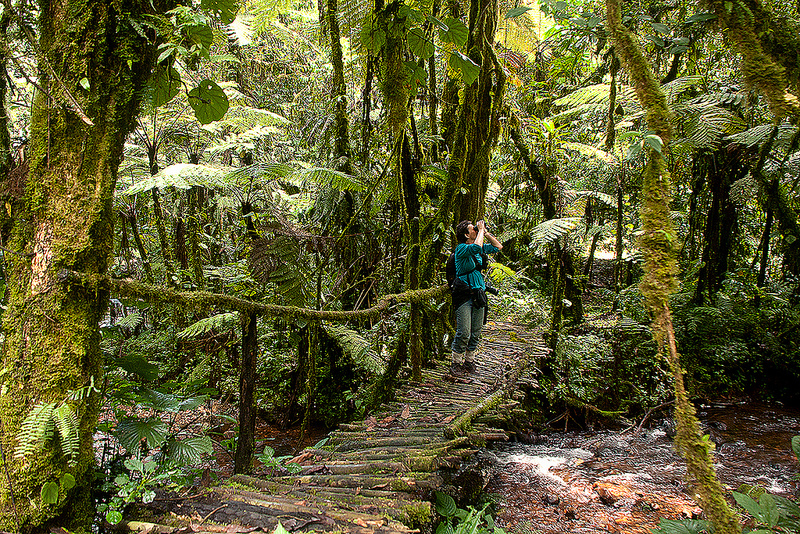
Plants and Trees of Bwindi Impenetrable Forest: Bwindi Impenetrable National Park is best known for the endangered mountain gorillas, but hidden beneath its dense canopy lies an older and equally remarkable treasure: its ancient and diverse tree species. Bwindi’s montane rainforest is a living museum, home to over 200 species of trees, where many are rare, endemic, or hold unique ecological and cultural value. What makes Bwindi’s trees special is their age, variety, and ecological roles. Some tree species like Prunus Africana and Warburgia ugandensis are celebrated for their powerful medicinal roles. Bwindi Impenetrable Forest is old, complex, and very biologically rich. It has most of the richest population of trees, small mammals, birds, butterflies, reptiles, and moths.
Tree species in Bwindi Impenetrable Forest include the African brown mahogany tree, ceiba trees, Cecropia trees, and ebony tree species. Nature walks in Bwindi Forest. Bwindi Impenetrable Park has many trees that can grow to a height of up to 55-75 feet; they form thick canopies. Many trees have broad leaves and contain hardwood. Bwindi has half of all the tree species in Uganda; some of these include African brown mahogany, which is an endangered tree. Brazzeia longipedunculata, ebony, the Ceiba tree, and cecropia trees. Bwindi’s unique tree species include
- Prunus africana (African Cherry)
This tree is globally significant due to its medicinal bark, which is used to treat prostate ailments. It plays a crucial role in forest ecology by providing food to the birds and primates. Overharvesting has led to its threatened status, making Bwindi’s population crucial for survival.
- Hagenia abyssinica (African Redwood)
It is found in the Afro-montane forests, which are also important for traditional medicine and are a keystone for pollinators. It thrives at high altitudes, providing canopy cover and stabilizing the soil.
- Podocarpus latifolius (Broad-leaved Yellowwood)
It is one of the few indigenous conifers in tropical Africa. It plays a critical ecological role as a climax species in the mature forests and supports diverse mosses.
- Symphonia globulifera
It has buttressed trunks and red latex used in traditional medicine. Its fruits are eaten by monkeys and birds, aiding in seed dispersal.
- Newtonia buchananii
It has a large size and nitrogen-fixing ability, enriching soil fertility. This species is crucial in Bwindi for supporting bird species and providing roosting sites for primates.
- Polyscias fulva
It is known for rapidly colonizing gaps in the forest canopy, hence supporting forest regeneration. Its fruits are a favorite for birds and primates in Bwindi.
- Ficalhoa laurifolia
It is a rare tree restricted to montane forests like Bwindi. It plays a significant role in the unique plant community structure and forest hydrology.
- Markhamia lutea (Nile Tulip tree)
It is recognized by its beautiful yellow flowers that attract bees and birds. It also serves as an ornamental and shade tree in local communities around Bwindi.
- Warburgia ugandensis (Greenheart Tree)
It acts as a valuable resource for traditional healers and has antimicrobial properties vital for local health care.
These are not only essential to the ecosystem of Bwindi Forest but also support wildlife like gorillas, chimpanzees, and rare birds; stabilize soils on the steep slopes; and store significant amounts of carbon, helping in climate regulation.
Bwindi’s forest has been by different names, like undistinguished moist montane forest, moist montane forest, and tropical and lowland montane evergreen rainforest, among others. It is said that over 50% of the park is covered by mixed forest, which is concentrated around its altitudes, and it is characterized by a canopy of plant species like red stinkwood, Newtonia, Symphonia globulifera, East African yellowwood, and Strombosia schefflera. Beneath the main forest there are species like Xymalos, Neoboutonia macrocalyx, Monospora, Myrianthus holstii, Teclea nobilis, and Allophylus abyssinicus.
- Canopy trees in Bwindi
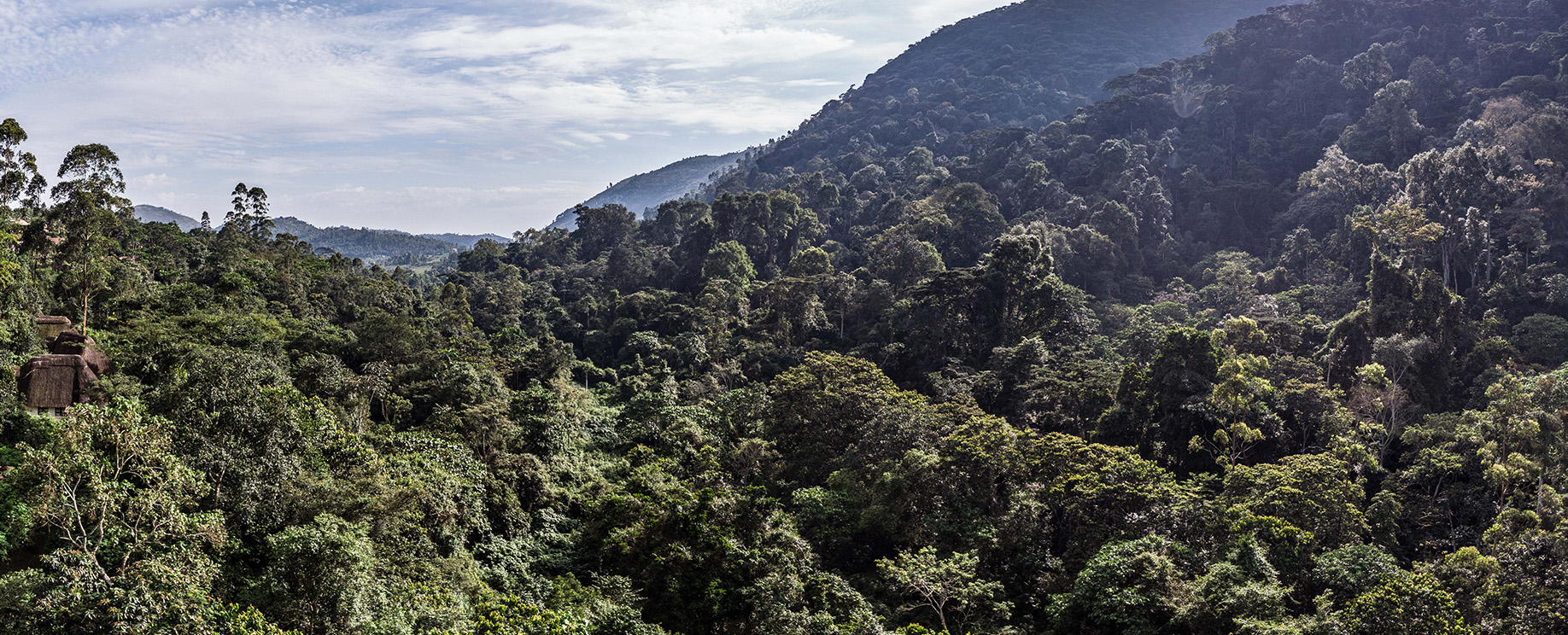
The upper canopy of Bwindi on a Uganda safari is dominated by towering hardwood trees that form a dense green roof over the forest. Species such as mahogany, fig trees, and ironwood are common, and some reach impressive heights and ages. The trees regulate forest temperature, retain moisture, and provide essential food sources for wildlife. The fig trees produce fruit at different times of the year and act as keystone species for primates and birds. The dense canopy filters sunlight, creating the shaded conditions that define Bwindi’s interior forest environment.
- Epiphytes, Mosses and Ferns
These are the most notable aspects of Bwindi’s vegetation: tree trunks and branches are often draped in moss, lichens, orchids, and hanging plants that thrive in the forest’s humid conditions. These plants do not harm host trees but rely on them for support. They play a greater role in water retention, nutrient cycling, capturing moisture from mist and rain, and slowly releasing it back into the ecosystem.
- Bamboo and secondary vegetation
Bamboo plays a seasonal role in gorilla diets and contributes to soil stability on the steep slopes. Secondary vegetation is found in areas that have experienced historical disturbance either by natural events or past human activity, and these areas regenerate naturally.
In Bwindi, at an elevation of about 1500 m, about 10% of the area is covered by Parinari excelsa; 11% at 200 m is occupied by Newtonia buchananii; at 2200 m, 8% of the area is covered by Chrysophyllum gorungosanum, while the bamboo trail is endowed with distinct vegetation, including over 14 distinct vegetation types. The northern side of the park lies in the lower elevation and consists of Parinari, especially on the Ishasha and Ihihizo river valleys. This area supports mainly the Newtonia buchananii and African mahogany. On the southern side, the chrysophyllum species are filling it. The park is filled with abundant, lush, foggy rain forests, which attract a number of bird species, creating a birders’ paradise. The rich vegetation of tree ferns, colorful orchids, and epiphytic ferns that make up the scenic beauty of Bwindi Impenetrable Forest National Park.