Gorilla Conservation in Bwindi National Park: How Uganda Protects Mountain Gorillas.
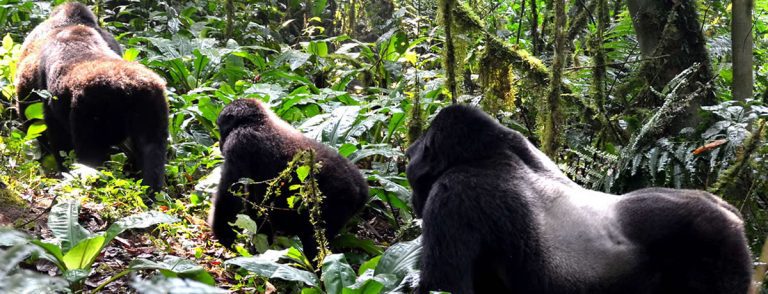
Gorilla conservation in Bwindi National Park: Bwindi Impenetrable National Park is located in southwestern Uganda. It is a UNESCO World Heritage site since it hosts half of the world’s endangered species and a rich ecosystem. It is situated on the western arm of the rift valley, comprising tropical lowland and montane vegetation. It spans an area of about 321 square kilometers with an altitude of about 1,190 to 2,607 m above sea level. Gorilla conservation is carried out in four different sectors, which include the Buhoma, Rushaga, Nkuringo, and Ruhija sectors.
Mountain gorillas are a critically endangered species because they face a lot of threats. These gorillas are also known as Gorilla beringei beringei and mostly settle in the highland areas. They are the main tourist attraction in Bwindi National Park due to their increased population. These mountain gorillas live in troops led by a dominant gorilla called a silverback. They are characterized by long, dark hair compared to other gorillas. Gorilla conservation is essential because it protects the mountain gorillas from any form of threat.
History of gorilla conservation in Bwindi
Bwindi National Forest is an ancient rainforest that is believed to be more than 25,000 years old. In 1964, Bwindi Reserve was designated as a sanctuary for the mountain gorillas before being declared a national park. In 1991, when Bwindi was declared a national park, conservation measures started since the park was being gazetted. The conservation efforts aimed at reducing poaching, reducing habitat destruction, and also improving on the boundary conflicts.
Besides the conservation efforts, the mountain gorillas in Bwindi National Park on a Ugandan safari have faced a number of challenges over the past years. Some of the challenges include habitat destruction due to human settlement and logging and disease outbreaks since gorillas are highly susceptible to transmissible diseases. Poaching since hunters target small mammals but end up killing the mountain gorillas, reducing their population rates.
Key conservation organisations and stakeholders of Bwindi
Bwindi Impenetrable National Park is governed by the Uganda Wildlife Authority, which controls all national parks in Uganda. The conservation of mountain gorillas is a collaborative effort that involves international and local participation. For conservation measures to be effective, they involve the different organizations and stakeholders providing funds, resources, research, community involvement, and global interest so that the measures are effective. The key stakeholders include:
- Uganda Wildlife Authority, which manages the national park and game reserves. It also helps in promoting ecotourism and research through hiring gorilla doctors and conservationists who protect and ensure the well-being of the mountain gorillas. It enforces strict laws that govern the park and also restricts illegal wildlife trade. It ensures that gorilla habitats have strict boundaries and provides anti-encroachment enforcement that protects the endangered species.
- • The International Gorilla Conservation Programme ensures the long-term conservation of the mountain gorillas and also helps to develop and promote conservation incentives that contribute to the conservation of the mountain gorillas and their habitats. It also provides support and scientific expertise that ensure that these endangered species are protected.
- Local governments that have introduced policies that reduce gorilla threats through promoting sustainable tourism since they directly interact with the ancient forest where the gorillas are hosted.
- Community-based organizations like the Bwindi Conservation Trust that help in funding communities and conservation projects, providing ecotourism and income-generating projects.
Gorilla Habituation and Monitoring
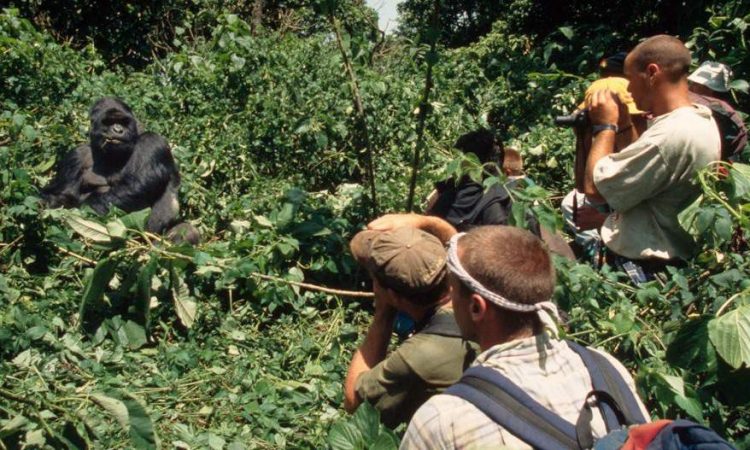
Bwindi Impenetrable National Park, being a top destination for the mountain gorillas, has provided significant relevance to conservation efforts. The gorilla habituation process is where mountain gorillas are trained to get used to human presence while they are in their natural habitats. This is a life-changing experience since tourists spend four hours with the endangered species. This experience is mostly recommended for researchers and conservationists since they observe the behaviors, feeding habits, and social interactions of these animals.
The habituation process enables researchers to monitor and observe the social dynamics of the mountain gorillas; they document the data of these animals, including the reproductive rates, movements, and feeding habits, before exposing any gorilla family to the habituation process. Before the gorillas’ families are exposed to the tourists, researchers first carry out analysis, hence promoting conservation. The daily monitoring of these endangered species ensures their safety and protection of their habitants. This is done through tracking their movements, like following fresh footsteps, broken vegetation cover, and others. The monitoring process in gorilla conservation also involves hiring anti-poaching patrols that survey the forest in case there are snares; they remove them to reduce the risk of threats. Surveillance cameras have also been put in place to monitor the gorilla groups.
Major threats to mountain gorillas
Mountain gorillas face a lot of threats, which result in their death. Some of the gorilla threats include habitat loss, which is a common threat due to deforestation where trees are cut down for fuel wood. Due to the increased population of the local people surrounding the park boundaries, they have to compete with the natural resources with the wild animals.
Diseases, since mountain gorillas share 98% DNA with humans, making them highly susceptible to respiratory diseases. Therefore, tourists who visit the mountain gorillas are expected to maintain a 7-meter distance to reduce the risk of diseases.
Poaching and hunting down mountain gorillas with snares due to high consumption of gorilla meat. In this case, the mountain gorillas are killed since gorilla meat is prestigious. The mountain gorillas fall victim to snares that are targeted for small mammals like the bush pigs, hence resulting in injuries.
Conservation strategies and interventions
Gorilla conservation strategies aim at protecting and preserving the endangered species for future generations through the following ways:
- Hiring anti-poaching patrols like trained rangers who survey and patrol the park by removing snares that injure the mountain gorillas.
- Hiring gorilla doctors who ensure the health of the mountain gorillas by treating the injuries and illnesses.
- Constructing park boundaries through walls to prevent mountain gorillas from destroying community property and also preventing humans from encroaching on the forest resources.
- Promoting reafforestation through planting trees that have been destroyed for fuel wood consumption or logging. This results in the increase of animal inhabitants.
- Ensuring gorilla trekking protocols through maintaining a 7-meter distance to prevent the spread of diseases.
- Encouraging conservation organizations to support local communities and develop local communities to reduce the reliance on natural resources or forest resources.
In conclusion
Gorilla conservation in Bwindi Impenetrable National Park aims at preserving the mountain gorillas and the wildlife for future generations.