Why Is Bwindi One of Africa’s Most Biodiverse Parks?
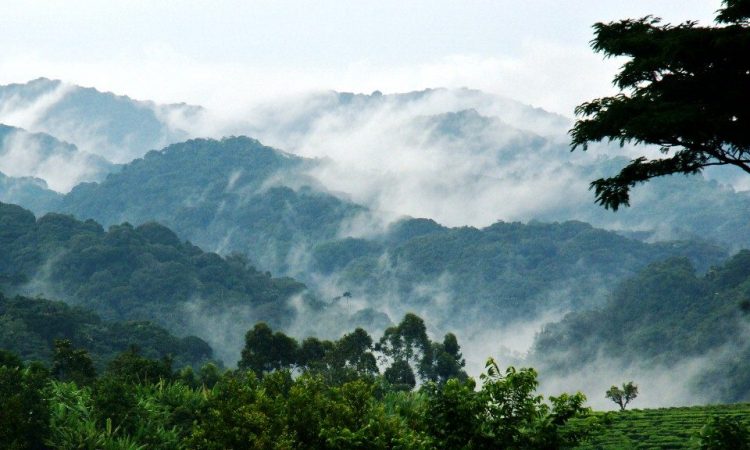
Why Bwindi Is One of Africa’s Most Biodiverse National Parks. Bwindi Impenetrable National Park is found in the southwestern part of Uganda. It is a UNESCO World Heritage site with rich biodiversity and an ancient rainforest. It inhabits half of the world’s endangered species. It lies in the Kigezi Highlands in the western arm of the rift valley with a diverse biodiversity with over 400 mountain gorillas, 120 mammal species, over 350 different bird species, 200+ butterfly species, and 1000 plant species.
It is ancient, with over 25,000 years, and has different vegetation types that include montane rainforest, bamboo vegetation, and lowland vegetation. It has breathtaking creatures like primates, for example, chimpanzees, monkeys, mountain gorillas, butterflies, birds, and thick undergrowth. Bwindi’s biodiversity is extraordinary, with numerous species in the ecosystem. Bwindi biodiversity has helped in the regulation of water and soil quality. It has resulted in the changing ecosystem that has affected people’s livelihoods and political conflict.
Geographic and Ecological setting
Bwindi Impenetrable National Park is located in the Kigezi highlands in the areas of Kanungu, Kisoro, and Kabale districts. It is found in the Albertine Rift endemics, with varying valleys and mountains at the edge of the western arm of the rift valley. The park sits on a 321 square kilometer area with altitudes that range from 1,160 m to 2,607 m above sea level, with an elevation over 2,000 m. Bwindi National Park has a steep, rough, rugged terrain with a dense tropical rainforest, making the tourism activities in the park challenging. It has thick, long canopies and a variety of underground growth like mosses, shrubs, and vines, among others.
The vegetation cover of Bwindi comprises montane vegetation, lowland vegetation, riverine and alpine vegetation, and bamboo vegetation. The park is mostly occupied by the thick montane forest that is characterized by tree canopies, namely mahogany trees that act as habitats for the fauna. The forest trees act as water catchment areas for rivers like River Ivy and act as medicinal plants, among others.
Unique evolutionary History
Bwindi National Forest is an ancient rainforest with a rich biodiversity of flora and fauna. It is recorded that this forest has thrived for 25,000 years, making it one of the oldest forests in Africa. It is one of the forests that survived the ice age years, and this made the species in the forest evolve. It is a breathtaking forest that holds the cultural history of the forest dwellers and Africa’s past life. It became a national park in 1932 from a game reserve.
Over the years, the endangered species faced a lot of threats, making the forest undergo conservation and sustainable measures. The forest was declared a UNESCO World Heritage site due to the rich biodiversity with extraordinary plant species, endemic bird and butterfly species, the various primates, and the habitat of half of the world’s mountain gorillas. Bwindi is sometimes called the “Switzerland of Africa” since it relies on various activities like gorilla trekking, gorilla habituation, and cultural tours, among others. The Albertine endemism of Bwindi Forest boosts over 23 Albertine bird species, which may include the Dusky Crimsonwing, Shelley’s Crimsonwing, etc., and 8 endemic butterfly species.
Rich flora diversity in Bwindi
Bwindi National Park has unique flora through the canopy trees that grow to a height of 30 m to 50 m tall, like mahogany and ebony, that provide support for the undergrowth, provide shelter for the wildlife, and are food sources. The undergrowth in Bwindi includes orchids, ferns, and mosses that contribute to the rich biodiversity of Bwindi. The forest structure making it unique includes the bamboo forests that provide shelter for wildlife and act as food sources for the mountain gorillas. And some of the medicinal plants that help in curing illnesses like malaria, fever, and colds include the African cherry, making Bwindi one of Africa’s most biodiverse parks.
Mammal diversity in Bwindi
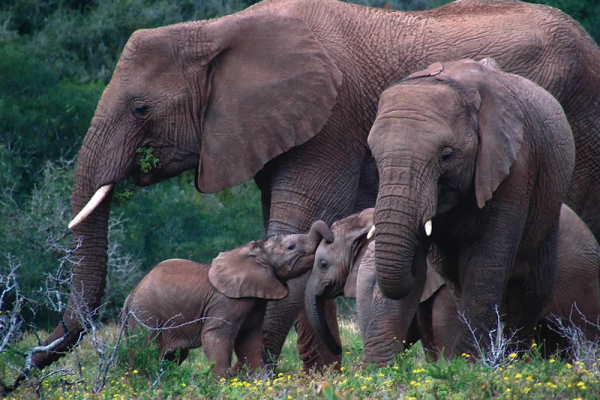
Bwindi Impenetrable National Park being the most known park in Africa is due to the numerous types of wildlife it harbors. The various fauna in Bwindi include the mountain gorillas, which inhabit half of the park’s population. These endangered species are the main tourist attractions that promote various activities like gorilla trekking safaris and gorilla habituation safaris. It is a home to half of the world’s remaining mountain gorillas. Other mammals include chimpanzees, which contribute to the biodiversity of the park; monkeys like the black-and-white colobus and red-tailed monkeys; and different bird species, with 23 Albertine Rift endemic species, for example, Grauer’s rush warbler and Rwenzori turaco, among others. Small mammals also contribute to the biodiversity of Bwindi, namely, forest elephants, forest duikers, giant forest hogs, African golden cats, rodents, bats, and buffaloes, among others. Reptiles and amphibians like frogs, toads, lizards, snakes, and chameleons showcase the rich diversity of Bwindi National Forest.
Conservation Efforts of Bwindi
Bwindi Impenetrable is governed by the Uganda Wildlife Authority, which mandates all park activities and conservation measures. It provides protection for all the wildlife and sustainable efforts in the park. The Uganda Wildlife Authority has ensured the protection of the mountain gorillas through putting up strict rules that govern gorilla activities like gorilla trekking and gorilla habituation. Rules that have been put in place include maintaining a 7-meter distance and enhancing the health and safety of these endangered species. It has hired park rangers and guides that survey the park 24/7 to ensure the security of the animals and tourists.
Communities have conserved the park through reducing competition for natural resources like wood and plants that result in habitat destruction. The conservation efforts are done by providing communities projects that aim at improving the local people’s livelihoods.
Anti-poaching measures have been carried out through educating the local people about the benefits of conserving the environment, encouraging reforestation, and providing support to surrounding communities through revenue generated from the gorilla permits.
Threats to biodiversity
The various threats the park experiences include deforestation through the continuous cutting down of trees for human consumption like firewood, fuel, and timber for construction and illegal logging. This has resulted in the destruction of animal habitats.
Habitat loss due to the increasing population of local communities around the park. This has made wild animals move from one area to another looking for shelter. This mainly acts as an endangered species since humans encroach on forest land for agricultural activities like farming.
In conclusion
Bwindi Impenetrable National Park is one of Africa’s most biodiverse parks due to the endangered mountain gorillas that are fully habituated and the rich ancient rainforest that enables different wildlife to survive. It has breathtaking creatures and scenery, attracting tourists worldwide to come and visit the park.