Exploring Bwindi National Park’s Butterflies and Insects.
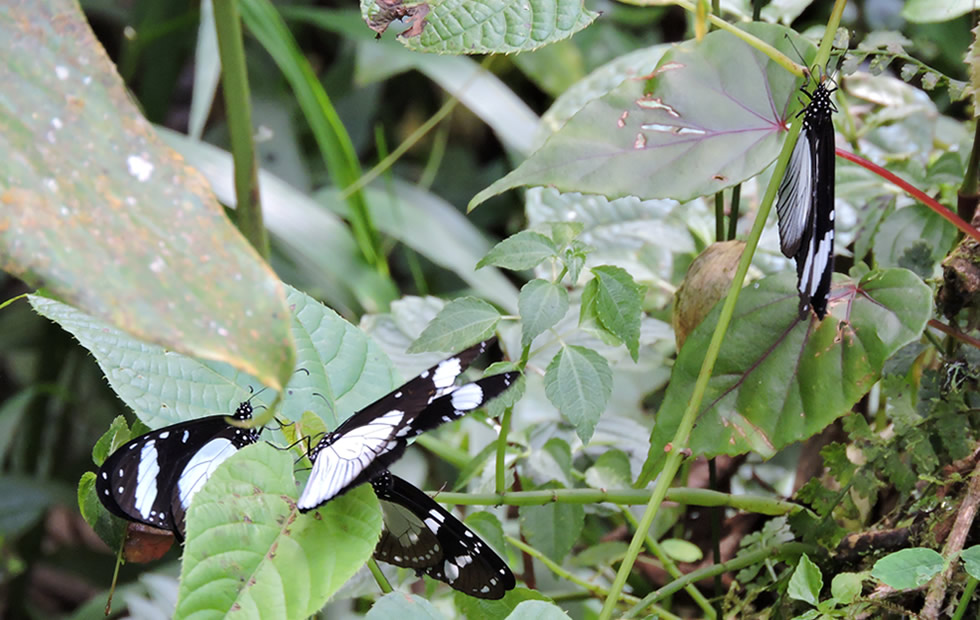
Butterflies and Insects of Bwindi National Park: Nestled in the southwestern part of Uganda lies the rich, matter-blossoming, biodiverse, and ancient tropical rainforest. It is mostly known for the endangered species, the mountain gorillas, but it also has a rich ecosystem that includes various butterfly and insect species. Located in the western arm of the rift valley with a steep, rugged terrain, thick, misty, lush rain forest, and an altitude of about 1,160 to 2,607 meters above sea level. Bwindi National Park on a Uganda safari is home to over 200 different butterfly species and insects that play an important role in pollination and decomposition. The insects in the park help in nutrient recycling and matter decomposition.
Diversity of insects in Bwindi
The insect biodiversity of Bwindi National Park includes beetles, over 50 species recorded that play an important role in soil aeration and waste decomposition and help in secondary seed dispersal. They act as food for the wildlife, like the birds and mammals, among others. There were five different bee species that have been recorded belonging to the stingless bee family. The bees are active pollinators of the flowers and the plants, helping in plant reproduction. They help to maintain plant life, which supports wildlife in the park, like the mammals. Other insect varieties include termites, ants, and spiders that maintain the insect population in the park.
The butterflies that belong to the Lepidoptera family are over 200 species, and the most cited species are the Albertine rift endemics. The beetles in the Coleoptera family are important decomposers of waste and dung, and they include nocturnal beetles that are mostly active at night and dung beetles that help in the recycling of nutrients. Ants and termites act as food for the mammals and also help in soil fertility. Moths that are active at night and praying mantises also play an important role in pollination.
Butterfly species in Bwindi national park
Bwindi National Park is a home to over 200 butterfly species. These species include the cream-banded swallowtail, African giant swallowtail, Eresina bilinear, Geritola liana, Papilio leucotaenia, Pseudopontia gola, Eurema brigitta, Belonois theuszi, and others. Many butterflies belong to the Albertine endemic rift, which has mountains and valleys with favorable atmospheric conditions. The conditions support the survival of these beautiful species.
Ecological role of insects in Bwindi national park
Butterflies and insects in Bwindi National Park play a crucial role in the ecosystem of the park. The various roles insects play include
- Butterflies and insects act as plant pollinators. They help plants to blossom, producing food for the wild animals in the jungle.
- They help break down organic matter and also recycle nutrients that are essential for the growth of thick vegetation.
- Some acts are edible. Wild animals like mountain gorillas consume insects that provide proteins in their diets.
- Nocturnal insects like moths that are active in the night act as night pollinators since some flowers or plants blossom in the night.
- Insects like termites promote soil aeration and decomposition of organic matter, hence ensuring soil fertility.
Habitat supporting insect life
Lowland forest zones are found in the northern part of Bwindi, with warm and humid conditions that support the growth of the thick, dense vegetation. The thick, lush vegetation provides food for the butterfly species and shelter. A montane, thick forest zone that is highly found in the southern part of the park in the sectors of Rushaga and Nkuringo. It consists of cool and lush vegetation in the high altitudes of the park. The montane vegetation habitat mainly consists of Albertine Rift endemic butterflies.
Riverine and wetland habitat for butterflies are located along the nature walk trails. These trails are located in the various sectors of the park where the butterfly species are spotted. Among these trails are the Mubwindi Swamp trail, the Munyanga River trail, the River Ivy trail, the River River trail, and others. The wetland habitats are homes to over 40 Albertine Rift trail endemic butterfly species.
Best locations for butterfly and insect viewing in Bwindi
The best sights for spotting butterfly and insect species in Bwindi are through the forest trails in the park. These trails are found in the four sectors of Bwindi, namely, Buhoma, Ruhija, Rushaga, and Nkuringo. The forest trails include
The Ivy River trail
This scenic trail is about 13 kilometers long, from Nkuringo to the Buhoma sector. This trail enables tourists to spot different butterfly species. Other stunning views include monkeys, the Buhomathe Buhoma duikers, bush pigs, and other animals.
Munyaga Waterfall trail
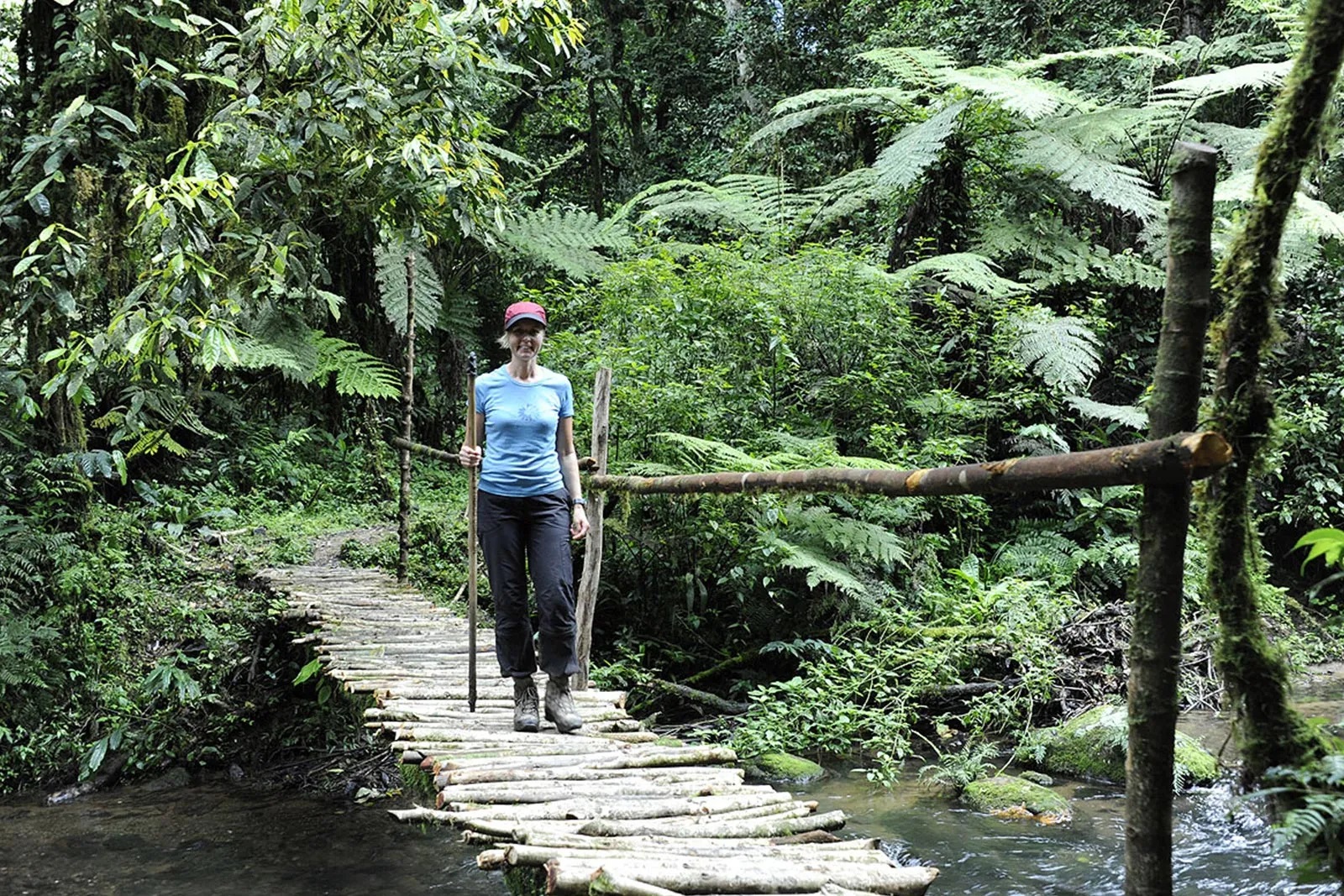
This is a guided nature forest walk that lasts about 2-3 hours from the Buhoma 33 sector. It passes through the moist Buhoma lush rainforest, where various moist butterfly and insect species are observed.
Kashasha River trail
This nature walk, butterfly, is about 4 to 5 hours long. It passes through two rivers where butterfly species gather. It passes through Nkuringo to the Rushaga butterfly sector. It is a challenging trail that requires physical fitness.
Best time to observe Butterflies and insects in Bwindi
The best time in Bwindi National Park, the Rushaga, to spot the various butterfly species and insects is during the peak seasons between the months of June and August and from December to February. During this season the forest trails are more clear, giving the perfect views of the butterfly species. While in the rainy season, between the months of clear March to May and from September to November, the forest trails are misty and lush, and the humidity is high, enabling the spotting of the various insect species.
Tips for visitors and researchers
Before visiting Bwindi Impenetrable National Park, the following essential items should be packed for a successful encounter: These include long-sleeved shirts and trousers to protect the body from scratches and insect bites. a rain jacket since rain is expected any time, insect repellents to prevent insect bites, and hiking boots to navigate through the steep terrain. Binoculars for photography.
The various precautions tourists should follow while spotting butterfly species in the park include the following: Use of binoculars since some species are too small to be spotted by bare eyes; tourists should avoid sudden movements while in the jungle, and tourists should keep track of and stay on the designated nature trails. Tourists should also avoid touching the insects and butterflies.
In conclusion
Bwindi Impenetrable National Park is home to over 35 Albertine Rift endemic butterfly species. The insects and butterfly species play a crucial role in the biodiversity of the park.