How Rangers Safeguard Wildlife in Bwindi Impenetrable National Park.
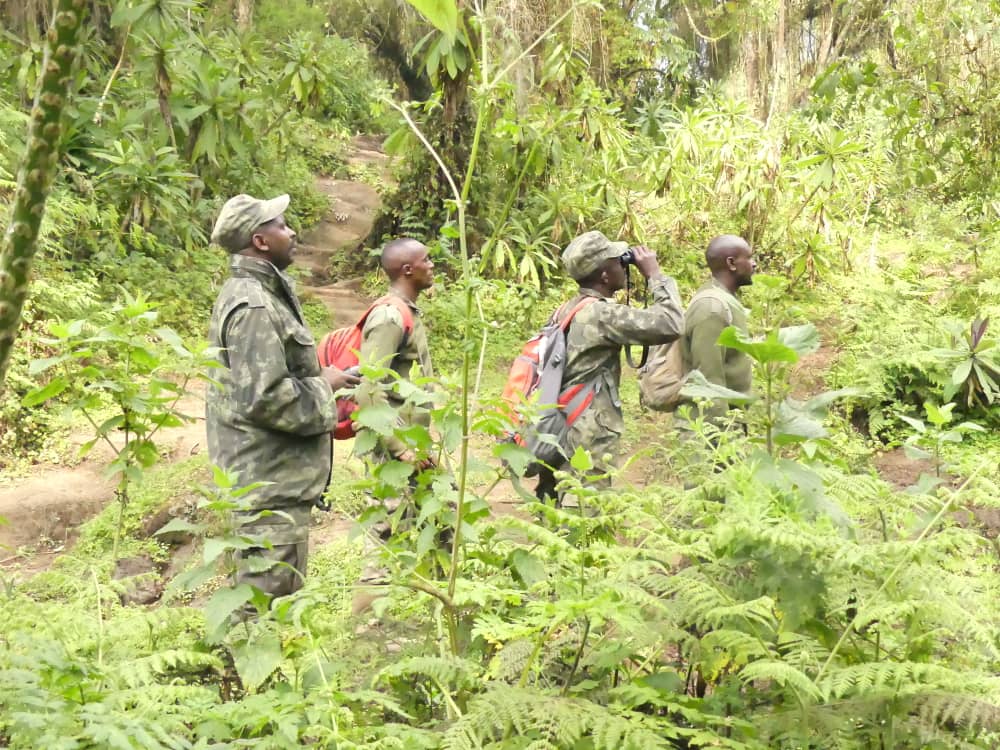
Role of rangers in Bwindi conservation: Bwindi Impenetrable National Park, located in southwestern Uganda, is a UNESCO World Heritage site. It has a rich biodiversity comprising 120 mammal species, 350 bird species, 2,000 butterfly species, and over 1,000 flowering plants. Bwindi National Park is a home to half of the world’s endangered species known as the mountain gorillas. It spans 321 square kilometers with an ancient rainforest mostly comprising montane vegetation and tropical lowland vegetation. The main tourism activities in Bwindi include gorilla trekking, bird watching, nature walks, cultural experiences, and gorilla habituation. The park has steep rough terrain with deep valleys that act as water catchment areas. Bwindi National Park faces various conservation challenges that include habitat loss, disease transmission, political unrest, and poaching, among others.
Bwindi conservation aims at protecting the endangered species and maintaining sustainable tourism for future generations. Conservation measures that have been put in place include anti-poaching patrols, sustainable conservation, safety guidelines, and roles that enable the protection of the park.
Overview of wildlife rangers
Rangers are trained personnel that guide you through the forest. They ensure the safety of the tourists, provide safety rules and guidelines for a successful gorilla experience, provide educational information about the biodiversity of the park, and also ensure the protection of the mountain gorillas. The rangers undergo training where various skills are being learned, like emergency skills, wildlife behaviors, among others.
Core of rangers in Bwindi
Rangers enable tourists to connect with the ancient rainforest. Before any trekking sessions, they first brief the trekkers with the safety guidelines that include maintaining a 7-meter distance from the gorillas, avoiding eating in front of the mountain gorillas, minimizing voices while in the jungle, and others. Through the forest trails, as tourists sight different creatures like the birds, butterflies, and duikers, they provide useful information about the rich ecosystem. Above all, the most important role of the rangers in Bwindi is to ensure the safety of both the tourists and the wild animals. The following are the roles of rangers in Bwindi conservation:
Protecting mountain gorillas: Before carrying out a gorilla trekking session, the rangers first patrol the forest by spotting where gorillas have spent the night. These patrols usually begin at 6:30 a.m. before the trekking experiences to ensure that the gorillas are in good health and safety. They help to locate snares that might injury the mountain gorillas. They also help in data collection where they have to take daily records about the reproduction rates, illnesses, and abnormalities of the gorillas, which has maintained conservation monitoring. They brief the trekkers about the safety rules and guidelines for gorilla trekking, such as maintaining a 7-meter distance and minimizing voices while in the jungle to avoid having physical contact with the mountain gorillas since they are susceptible to diseases, among others.
Anti-poaching patrols.
Poaching is a serious threat in Bwindi National Park. They help to reduce the high rates of poaching in the park. They maintain anti-poaching patrols through carrying out daily surveillance to prevent the illegal hunting of animals; they remove traps and snares that many injure the mountain gorillas; they employ former poachers that help to identify new tactics used while poaching animals, among others. The anti-poaching patrols are hired by the Uganda Wildlife Authority, which ensures the conservation and protection of all national parks.
Research and Monitoring
Rangers play an important role in carrying out research in the ecosystem of Bwindi. The research is done by collecting information about the health, movements, feeding habits, and reproduction rates of the mountain gorillas. Every morning before any trekking session, they locate the gorillas to record data and the social interaction of these animals. They carry out health checkups and report any signs of illness or injuries among the gorillas. This helps them hire veterinary doctors to come and treat the illness to prevent further spread. Technologically, rangers have installed GPS and cameras on the shelters of the different gorilla families to easily locate the movements of the endangered species. The information collected helps to carry out the population of the different creatures in the park.
Community engagement and Education
Rangers promote community engagement by bridging a gap between the conservationists and the local people. Since some communities rely on the forest resources, making it difficult to promote conservation measures. Rangers participate with the local communities through providing conservation knowledge and measures that are used to ensure sustainable tourism. Rangers work with the local communities to promote vocational training, which directly promotes ecotourism and environmental sustainability. They engage local people to directly learn about the biodiversity of the ancient rainforest to foster conservation efforts.
Guiding tourism activities
They led the trekking and tourism activities through the thick rainforest, ensuring the protection and safety of the tourists. During the nature walks and trekking sessions, they help in the implementation of conservation policies, educating tourists about the flora and fauna of the forest, and in case of any emergencies, they offer help while in the wilderness.
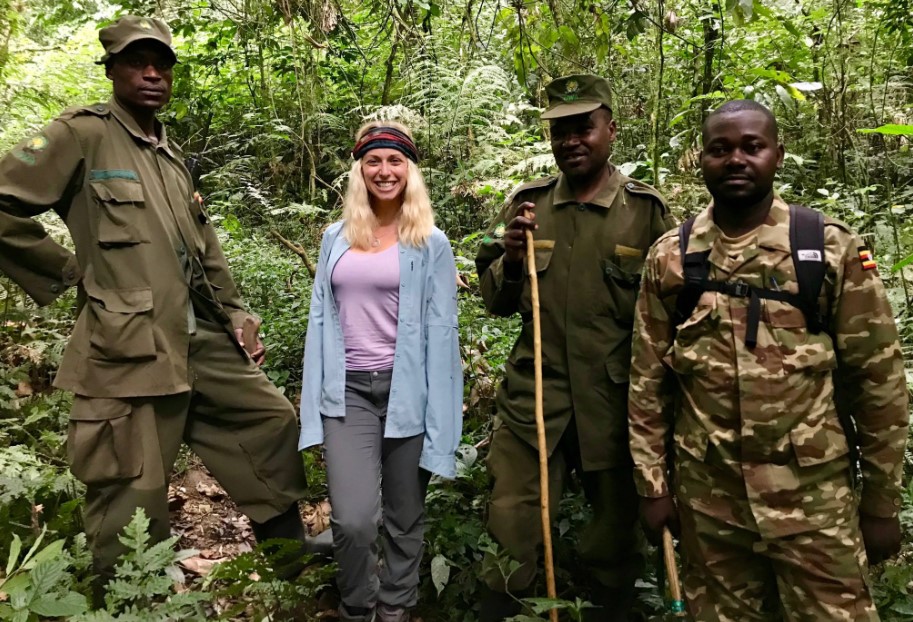
Challenges faced by rangers
Working in the ancient misty thick rainforest is not relatively easy because the rainforest experiences unpredictable rainfall and weather patterns, steep rough terrain, and threats from wild animals. Besides these challenges, rangers aim at protecting the safety of the mountain gorillas and conserving the environment in the park. The various challenges rangers face include battling poachers setting up snares that injure the animals and facing boundary conflicts; they face high risk of acquiring diseases and have limited equipment and limited funds for conservation projects, among others.
Support systems for rangers
The different support systems that fund and advocate for rangers in Bwindi Impenetrable National Park include the Uganda Wildlife Authority, which maintains and protects the wildlife in the park. Uganda Conservation Foundation, which improves the effectiveness and safety of the mountain gorillas. Digital equipment like cameras and GPS, which help to monitor the movements and the social behaviors of the wild animals in the forest.
In conclusion
Rangers play an important role in the conservation, protection, and safety of the mountain gorillas and the tourists, providing an unforgettable and life-changing experience.