How to Be a Responsible Tourist in Bwindi National Park
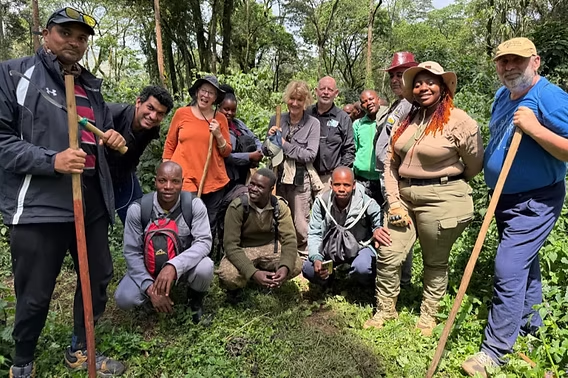
Responsible Tourism Tips for Bwindi Visitors: Bwindi Impenetrable National Park, nestled in the southwestern part of Uganda, spans over 321 square kilometers with a rich ancient rainforest. It is a UNESCO World Heritage site protecting half of the world’s endangered species. It has a rich biodiversity comprising over 400 mountain gorillas, 120 mammal species, over 350 bird species with 23 Albertine rift endemics, over 200 butterfly species, and 1,000 flowering plants. It is comprised of different sectors: Buhoma, Ruhija, Nkuringo, and Rushaga, lying at an altitude of about 1,190 m to 2,607 m above sea level. Districts around Bwindi include Kisoro District, Kabale, and Kanungu District.
Responsible tourism in Bwindi Impenetrable National Park on a Uganda safari is crucial because it helps in protecting the mountain gorillas from any threat, reduces the carbon footprint in the park, and also ensures that the conservation measures are highly followed to minimize any destruction in the park.
Understanding Bwindi ecosystem
Bwindi National Forest is a tropical rainforest found in the high altitudes, mostly comprising tropical lowland vegetation and montane vegetation. Other vegetation types include bamboo forests, canopy trees, and undergrowth like ferns and orchids, among others. Bwindi Impenetrable National Park is a gazetted park that has flora and fauna. The unique floral species comprise tree species like mahogany trees and ebony, which are composed of hardwood. The different medicinal plants that cure illnesses. The fauna comprises mammals, namely the mountain gorillas, forest elephants, duikers, bush pigs, bird species, butterflies, and insects like termites and beetles, among others.
Bwindi National Park experiences tropical weather changes with rainfall that ranges from 1,500 mm to 2,500 mm annually and temperatures that range from 7°C to 27°C with two wet seasons that run from the months of March to May and from September to November.
Respecting wildlife in Bwindi
Since gorilla trekking is the main tourist attraction activity that is mostly done in Bwindi National Park. The gorilla trekking safaris are extraordinary adventures that require you to critically be responsible to minimize any impacts and also protect the mountain gorillas. Responsible tourism tips include the following:
- Maintaining a 7-meter distance away from the mountain gorillas to reduce the high risk of disease spread since humans share 98% DNA with the mountain gorillas.
- In case a gorilla approaches you, avoid eye contact since staring at the gorillas may be understood as a sign of threat by the mountain gorillas.
- You should avoid any physical touch with gorillas since mountain gorillas are highly susceptible to infectious diseases like colds, flu, and others.
- While you are in the jungle, minimise your voice and avoid sudden movements
- Avoid drinking and eating in front of the gorillas or feeding the mountain gorillas.
- While taking photographs, you should avoid using flash cameras because the light from cameras agitates the gorillas.
- Emphasize cleanliness while in the jungle by not littering or dumping any waste material or plastic.
Choosing responsible tour operators.
While booking for your adventure in Bwindi National Park, ensure that you look for a responsible licensed tour operator who helps you plan for your trip successfully, helps you book eco-friendly lodges that support community developments, and hires local guides, porters, and drivers who assist you through your adventure.
Environmental responsibility.
Bwindi Impenetrable Forest tourism was aimed at conserving ecotourism. Responsible tourism helps to manage and control the environmental, social, and economic impacts on the park. Responsible tourism tips include the following:
- Before starting your trip to Bwindi National Park, ensure that your bookings and accommodation are done by a well-licensed tour operator. This is done to prevent any inconveniences while at the park headquarters.
- Support the local communities through donations, which helps the local people know that their culture is preserved and respected.
- Packing responsibly to ensure that you are well equipped and follow the guidelines to promote conservation in the park.
- While travelling to Bwindi, use public transportation, shared vehicles, or tour operators who package all your travel means, activities, and accommodation.
- Pack biodegradable materials to reduce environmental pollution.
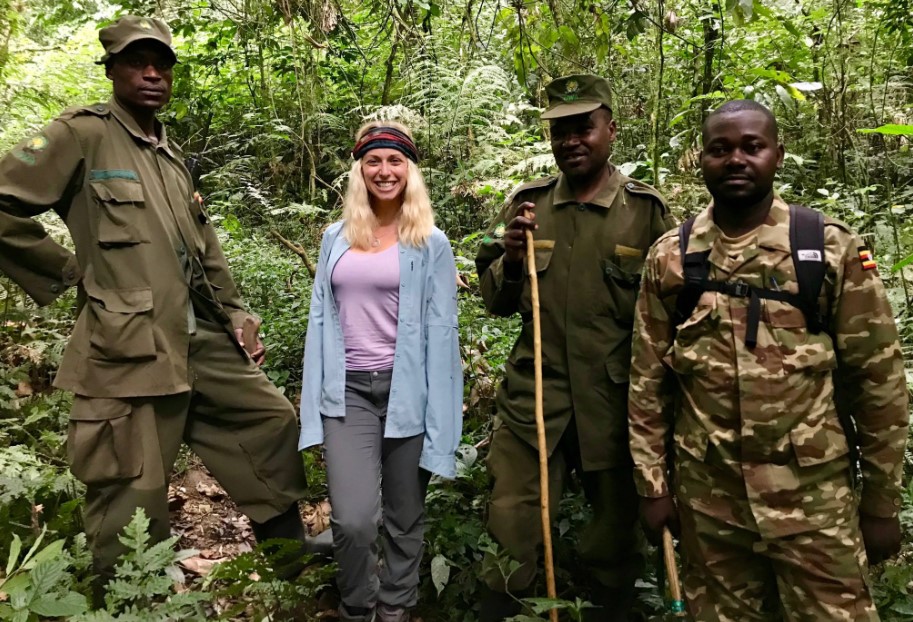
Health and safety considerations
Mountain gorillas are highly susceptible to transmissible diseases since they share 98% DNA with humans. For a successful encounter, health precautions should be followed:
- Before traveling to Bwindi National Park, acquire recommended vaccinations to prevent yourself from acquiring any diseases. Some of the vaccines you can acquire include the yellow fever vaccine, hepatitis A and B, COVID-19, and malaria tablets, among others.
- Travel documents like a passport or national ID that contain your information so that in case of anything, emergencies can be handled.
Responsible Packing Guide
Before starting your journey to the park, ensure you are well prepared for your adventure in Bwindi National Park. Essential requirements you should carry include the following:
- Wearing long-sleeved clothing to protect your body from scratches and insect bites.
- Carrying a rain jacket since rain in Bwindi is expected at any moment.
- Hat and sunglasses for sun protection
- Garden gloves since you may hold onto sticky or thorny branches.
- Binoculars and a camera to capture the different wildlife in the ancient rainforest.
- Drinking water and energized snacks to stay hydrated.
Practical tips for your visit in Bwindi
For a successful encounter in Bwindi National Park, the following tips should be followed: Choosing the appropriate time to visit the park. Since the park can be visited all year round, the best time to experience your tour safari in Bwindi Impenetrable National Park is during the dry season between the months of December and February and from June to October. In this season the forest trails are less muddy and slippery, and roads are easily accessible.
While during the rainy season between the months of March and May and from September to November, the forest grounds are slippery and muddy and the roads are flooded, making it difficult to access the park premises.
In conclusion
Responsible tourism tips for Bwindi visitors should ensure that tourists respect the conservation guidelines, support local communities, and minimize the carbon footprint. This ensures that both the tourists and the wildlife are protected, hence ensuring a successful encounter.