The Conservation Impact of Gorilla Permits in Uganda.
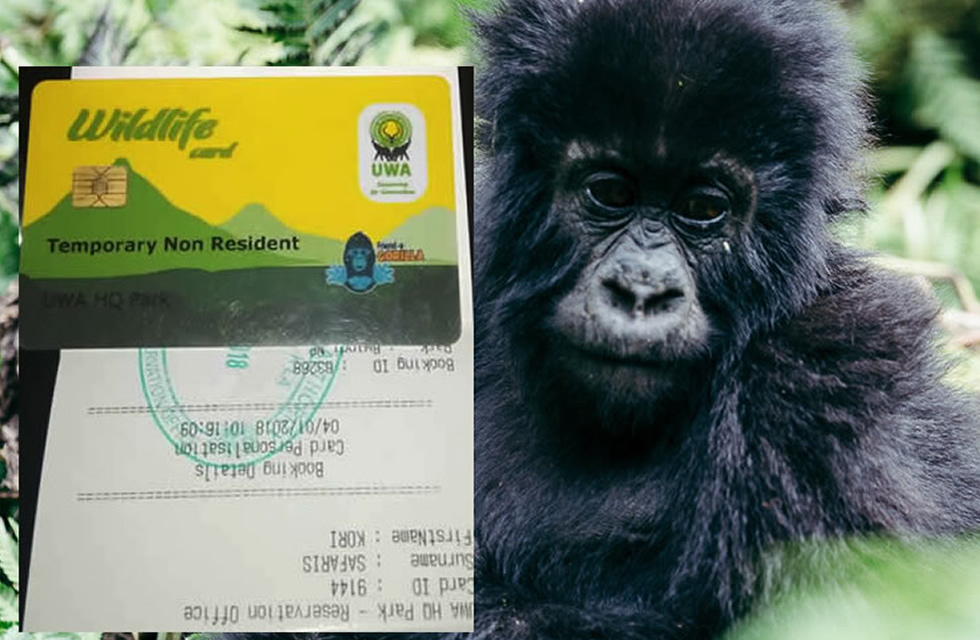
How Gorilla Permits Support Conservation: Mountain gorilla tourism is one of the most fascinating experiences in Bwindi National Park. Bwindi Impenetrable National Park hosts half of the world’s endangered species, making the main tourism activity gorilla trekking. The gorilla trekking safari requires tourists to navigate through the thick, dense rainforest to locate the mountain gorillas in their habitats. Bwindi has four main sectors where conservation strategies are carried out, namely, Buhoma and Ruhija. Rushaga and Nkuringo sector.
Gorilla permits are legal tickets that are issued by the Uganda Wildlife Authority, which include the park entrance fee and also allow tourists to trek gorillas for one hour and also habituate the gorillas for four hours. The funds acquired from the gorilla permits help in the funding of the conservation strategies that ensure the protection and safety of the mountain gorillas. The funds help in financing the anti-poaching patrols and also help to carry out research and the monitoring of these endangered species. A small percentage got from the gorilla permits supports local communities through establishing infrastructures like the roads that improve accessibility; schools for education services; health services; and clean water projects, among others.
Each gorilla trek costs $800 for foreign non-residents, $700 for foreign residents, and UGX 300,000 for East African citizens. While the gorilla habituation permits cost $1,500 for foreign non-residents, $1,000 for foreign residents, and UGX 750,000 for East African citizens. These permits offer life-changing experiences, making your money worth the cost. The gorilla permit costs are high to ensure that the tourism initiatives are funded since various programs ensure the safety and protection of the ecosystem of Bwindi National Park.
The Uganda Wildlife Authority, which is in charge of distributing gorilla permits, started selling the permits to licensed tour operators, enabling tourists to easily access these permits since the rule is first come, first serve. This was done to reduce the congestion at the headquarter offices, granting tour companies an opportunity to sell these permits. The gorilla permits are distributed to the different gorilla families in the different sectors, providing a chance for trekkers to book their permits according to the sector chosen.
Funding wildlife protection efforts
Gorilla permits directly fund the anti-poaching efforts through hiring patrols and trained rangers that survey the park to remove any snare wires that are being set up by poachers to hunt small mammals but end up injuring the mountain gorillas. The funds help to finance wildlife research, ensuring that the health of the mountain gorillas is being monitored and their habitats are safe.
Gorilla permits and funds support the gorilla doctors who carry out medical operations in case of any illness or injuries in the gorillas. They treat the injuries and illnesses to prevent further spread of diseases among other gorilla individuals.
Community development and benefit sharing
A small percentage of 20% is dedicated from the gorilla permit revenue to ensure the development of the local communities around the park. The funds generated from the gorilla permits help in the establishment of schools that provide educational and vocational training; health facilities that ensure the health conditions of the local people; and clean water projects improving the livelihood in the local communities.
The funds got from the gorilla permits help in strengthening the livelihood of the local people and also emphasize sustainable tourism
Reducing Human- Conflict
The permits fund community-based programs to reduce human-wildlife conflict. The revenue collected supports community projects to ensure that the local people see the mountain gorillas as an asset and not a threat. As the wild animals destroy the human property and crops, the local people surrounding the park are compensated for the destroyed property and encouraged to practice better farming skills.
Ensuring habitat protection
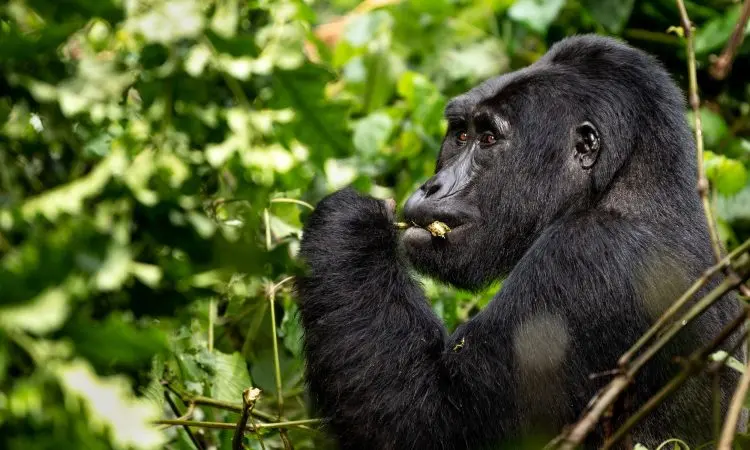
The mountain gorillas mainly settle in the high-altitude areas of the park. It is important to ensure the protection and safety of the gorilla habitants. Gorilla permits fund support for the programs that emphasize conservation strategies like reforestation, where trees are replanted to re-establish the destroyed habitats of the gorillas. This improves on the ecosystem of Bwindi, reducing the high rates of erosion, increasing the fertility of the soils to promote the growth of undergrowth plants like ferns and wild mushrooms, and ensuring the diversity of the ecosystem.
Without the funding of the conservation programs or projects, high rates of deforestation and human encroachment would destroy the park’s ecosystem since humans compete for the natural resources by cutting down trees to get wood fuel, limiting conservation efforts.
Gorilla research and Monitoring
Since mountain gorillas share 98% DNA with humans, they are highly susceptible to respiratory diseases like flu, cough, and others. The revenue got from the gorilla permits supports the veterinary services through hiring the gorilla doctors who treat the illnesses and injuries of the mountain gorillas. They record the health issues, carry out daily routine check-ups, and follow up on the social interaction with other gorillas. This has resulted in an increased population of the endangered species for the last years.
The gorilla funds have also helped in the purchasing of the monitoring equipment, like the cameras and GPS, to track the movements of the gorillas, their habitats, daily movements, and their feeding points. This has provided security surveillance to ensure the safety and the protection of the gorilla families.
Cross-border monitoring
Bwindi National Park borders the Democratic Republic of Congo, and tourists can access the park from Rwanda through the Cyanika and Gatuna borders. Conservation efforts have reduced the civil unrest between the neighboring countries. Gorillas permit play and important roles in ensuring collaborative initiatives to ensure cross-border cooperation. The funds generated from the gorilla permits support joint policies, regional veterinary programs, hiring joint patrols, and collaborative wildlife research to ensure the safety of the mountain gorillas.
In conclusion
Gorilla permits support conservation through directly funding the conservation and sustainable tourism programs. Through purchasing a gorilla permit, you help to promote sustainable tourism and encourage conservation initiatives.