Why does human-wildlife conflict happen near Bwindi (and how is it solved)?
Human-wildlife conflict around Bwindi: Bwindi Impenetrable National Park, located in southwestern Uganda, is a UNESCO World Heritage site. It borders the Democratic Republic of Congo near the Virunga Volcanoes. It covers an area of about 321 square kilometers with a unique diverse ecosystem comprising 120 mammals, 350 bird species, 300 different butterfly species, over 1,000 flowering plants with 200 tree species, 104 ferns, and others. The ancient rainforest has various vegetation types that include bamboo forests, Afromontane vegetation, tropical lowland vegetation, and unique undergrowth. It is found on the western arm of the rift valley, hosting half of the world’s endangered species. Human conflict has greatly affected Bwindi’s ecosystem through agricultural and settlement encroachment.
Review of human- conflict
Human conflict is causing a great problem hindering the success of wildlife conservation strategies in Bwindi National Park. Human conflicts refer to the negative encounters between humans and wildlife. Human-wildlife conflict runs from harmful interactions to sustainable strategies. These conflicts are led by habitat loss, climate change, agricultural expansion, and increased population in the communities. These cause a negative impact on both people and wildlife, resulting in conflicts.
As the human population increases around the park boundaries, the local people are competing for the natural resources like wood fuel, resulting in the destruction of wildlife habitats. It has resulted in a decline in plant species, leading to extinction.
Wildlife species involved in human conflicts.
The human-wildlife conflicts involves a lot wildlife species, including
- Mountain gorillas, which have the greatest population in the park, are destroying human property and farmlands, such as potato fields, hence resulting in low crop yields.
- Primates like the monkeys, which are involved in raiding crop fields.
- Forest elephants, which are not popular, causing major destruction to human property when they cross the park boundaries.
- Baboons that are mostly known for raiding crops and creating conflicts among the local farmers.
- Other wildlife like the forest hogs, duikers, and bird species also result in the destruction of property.
Causes human-wildlife conflict
The human-wildlife conflict is a serious situation affecting local communities and wildlife populations. The raiding animals include colobus monkeys, forest elephants, gorillas, duikers, bush pigs, and others that lead to low crop yields. The following are the causes of human conflict:
Habitat destruction
The increasing population of local people around the park has resulted in the encroachment of the forest land for agricultural practices, farm rearing, and wood fuel, leading to the destruction of wildlife habitats. The depletion of the forest food for wildlife is forcing them to move to the surrounding farmlands, looking for food and shelter and destroying crops like bananas and beans, among others. The destruction of crop yields has led to food insecurity.
Agricultural expansion is where the local people cause intense pressure on the forest land for farming and fighting wood fuel. Since forest land is converted into farmlands, it removes protective boundaries, allowing the wild animals to destroy human property and farmlands. Animals leave the forest to go and feed on the crops due to the extinction of food sources in the forest land. The loss of crops leads to poverty and food insecurity, which in return may result in the poaching of the wildlife for meat consumption.
Increased population growth in the local communities.
The rising population of the local people results in human conflict due to the demand for land for settlement and agriculture. This results in the destruction of wildlife habitats, forcing them to encroach on human property. It has boosted the demand for natural resources like medicinal plants and wood fuel, causing raids among the wild animals and the local people.
Illegal activities like poaching and charcoal burning result in the destruction of wildlife habitats and affect the ecosystem of Bwindi. Illegal logging and mining have caused a decline in the vegetation cover of the forest and are disrupting the environment, forcing wild animals to encroach on the cultivated farmlands. The illegal harvesting of honey and food sources has disrupted the ecosystem of Bwindi. The illegal entry of people on the forest premises has exposed the endangered species to diseases that may affect their health.
Impact of human conflict in Bwindi
The local people and the wildlife in Bwindi National Park have increased the human-wildlife conflict in both social and economic factors. It has an economical and social impact in the following ways:
Crop raiding around the local communities was a local farmer’s experience of frequent damage and destruction of crops like maize, bananas, and potatoes, among others, which resulted in poverty and food insecurity. Along with the local communities, people have faced physical injuries since the wild animals venture onto human property. Crop destruction by the wild animals like the gorillas resulted in food shortages, hence creating food insecurity.
The local communities have had access to limited resources ever since the forest was gazetted in 1991; the local communities have had limited access to the forest resources like timber and medicinal plants, and this has caused high rates of poverty.
Revenue sharing, where 20% from the gorilla permits is being given to the local communities for developments like schools to provide education services to the local children, clean water projects, and health centers, leads to a high cost of living.
Human conflict has resulted in the loss of cultural heritage where the Batwa people were excluded from the forest premises, making them lose their homeland and ancestral grounds plus their traditional way of living through hunting; gathering wild fruits and plants like mushrooms; and use of herbal medicinal plants that treated illnesses.
Gender inequality among the community members since the benefits being given to women are not equally shared with men, hence limiting the standard of living among the local people.
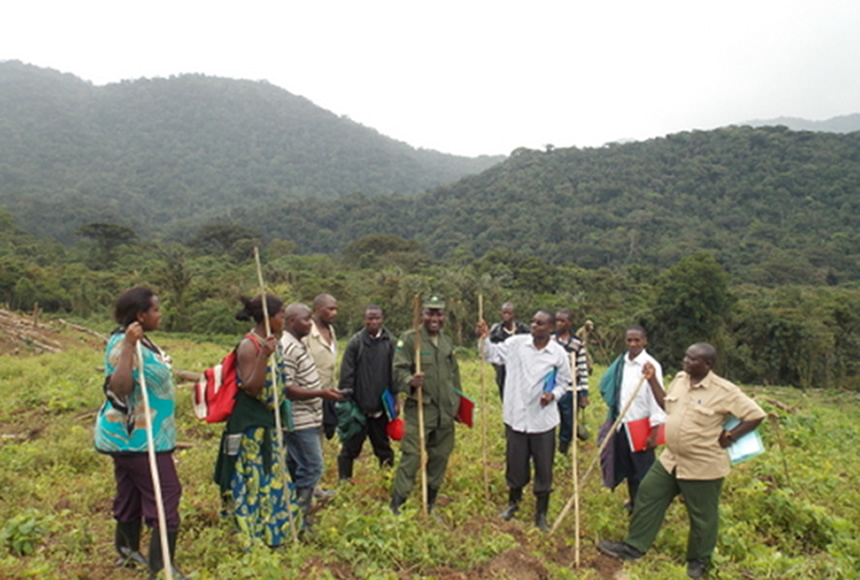
Challenges faced when managing human-wildlife conflicts in Bwindi
Managing human-wildlife conflicts involves a number of challenges that require a lot of conservation strategies and sustainable practices. The various challenges are
- High damages and destruction caused by wild animals on farmlands and human property, causing a threat to human life.
- Difficulty in implementing conservation policies among the local communities.
- Inadequate funds that are being shared with the local communities, causing local people to have fewer benefits from the tourism revenue.
- Limited resources and management, like fences, which require continuous maintenance to prevent the wild animals from encroaching on human land.
In conclusion
Human-wildlife conflicts are always increasing due to the growing population surrounding the boundaries of the park. Through effective planning and management, integrated policies can minimize the conflicts in the long run.