How the Bwindi Rainforest is Being Protected.
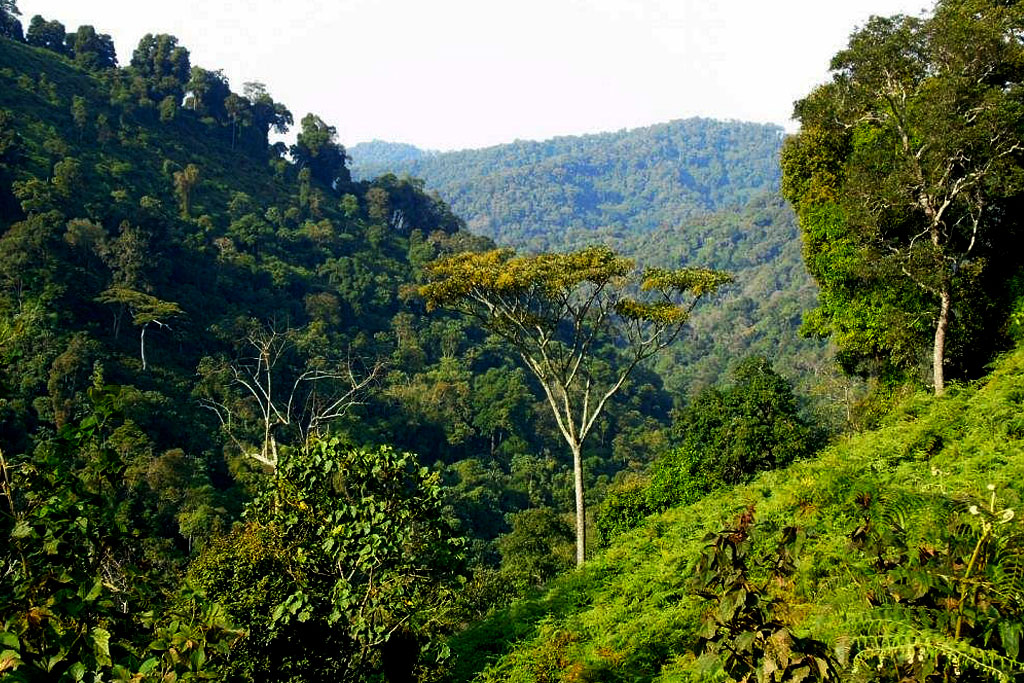
Bwindi Rainforest Conservation Explained: Bwindi Impenetrable National Park is situated in the southwestern part of Uganda. It is one of the conservation sites that secure and protect the ecosystem of Bwindi. It is a UNESCO World Heritage site with rich biodiversity. The Bwindi rainforest is known for having survived the ice age. It has thick, misty, lush, dense vegetation comprising montane vegetation, lowland vegetation, riverine vegetation, and bamboo vegetation.
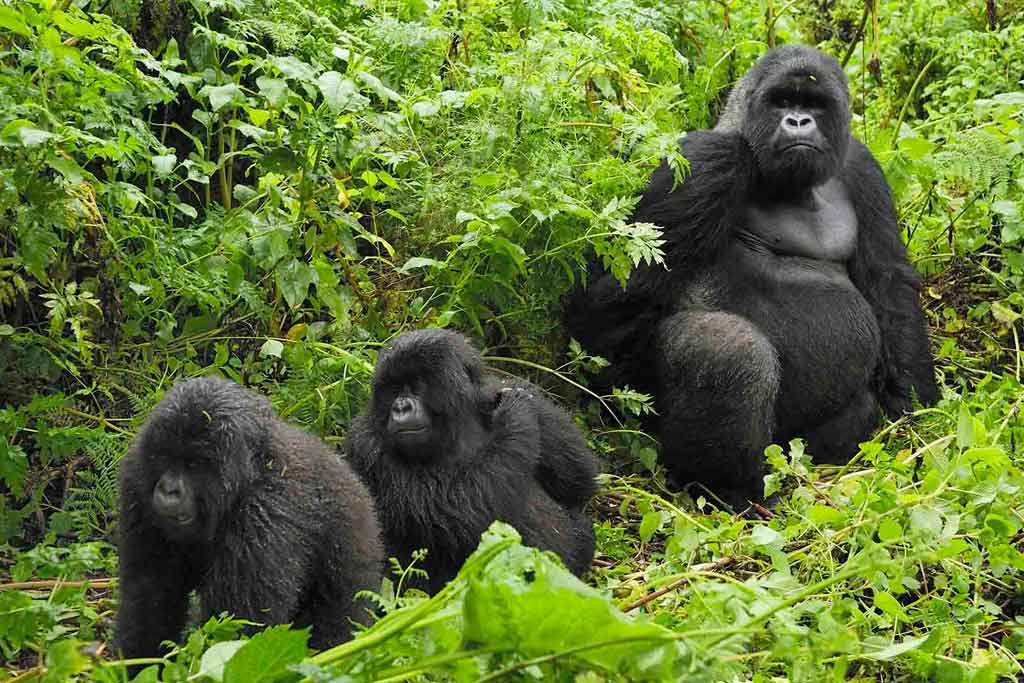
It is a home to over 400 mountain gorillas, 200 butterfly species, 350 bird species, 120 mammal species, and over 1,000 plant species. The Bwindi rainforest acts as a water catchment area for some rivers in the park. Bwindi rainforest conservation matters because it has protected the endangered species from threats and increased their population.
History of conservation in Bwindi
Bwindi Impenetrable National Park, a home to half of the world’s endangered species, has encouraged cultural conservation through human settlement and forest conservation. Bwindi Impenetrable National Park was declared a national park in 1991 and recorded as a UNESCO World Heritage site in 1994.
In 1991, Bwindi was a central forest reserve that was sited on an area of about 330 square kilometers. The park had a large effect on the forest dwellers, also known as the Batwa people, who were evicted from the park premises.
In 1993, the mountain gorillas were the most endangered species that stayed in the park, and conservation measures were put in place to protect these species. The Uganda Wildlife Authority purchased a piece of land where the Batwa people would stay. It has a swamp known as the Mubwindi Swamp in the southern part of Bwindi National Park.
Biodiversity of Bwindi rainforest
The Bwindi rainforest has a rich floral diversity that comprises thick vegetation, undergrowth, and canopy trees. The ancient rainforest has supported the biodiversity of the park in various ways. The floral diversity comprises different vegetation zones that include montane vegetation, lowland vegetation, and riverine vegetation. The lowland vegetation supports the growth of undergrowth, namely, shrubs, ferns, mosses, and others. The Bwindi rainforest comprises canopy trees that produce hardwood, like the mahogany trees, and fig trees that grow to heights of about 30 m to 50 m. Bamboo vegetation plays an important role in the diets of the mountain gorillas.
Bwindi Impenetrable is home to a number of mammals, namely, the mountain gorillas, which are the most endangered species in the park. In the past years, the number of these species has increased due to conservation efforts like putting up anti-poaching measures, promoting boundary political stability, and others. Chimpanzees, which are referred to as the close relatives of humans. These creatures have also contributed to the ecosystem of Bwindi. Monkeys like the colobus monkeys, red-tailed monkeys, and others.
It is a home to over 350 different bird species, with 23 Albertine rift endemics and the migratory species, namely, the African green broadbill. Over 200 butterfly species have settled in the park, along with various insect types, like termites and beetles, that play an important role in Bwindi’s biodiversity.
Threats to Bwindi rainforest
The increasing population of people around the park has resulted in deforestation and habitat loss, where the communities compete for natural resources like land for settlement and agriculture. Increased human activities like road construction and urbanization have resulted in the cutting of trees for furniture and building materials. Bwindi rainforest conservation efforts have reduced deforestation by providing project developments from revenue earned from the gorilla trekking permits. These projects include health centers, schools, and clean water projects, and this has reduced the reliance on natural resources.
Illegal poaching through the use of snares to hunt down small mammals like bush pigs and antelopes, which in turn affects the mountain gorillas, causing severe injuries and death. Therefore, conservation efforts in the Bwindi rainforest have hired patrols and forest rangers to survey the park and also arrest poachers that carry out the illegal activities in the park.
Climate change in terms of alternating weather patterns that reduce the food population of the wildlife in the park. This has also reduced the vegetation cover in the park due to the increased temperature ranges.
Conservation strategies and approaches in Bwindi rainforest
The Uganda Wildlife Authority, which is in charge of promoting conservation efforts in all national parks, has restricted the following conservation measures.
Revenue obtained from the gorilla trekking permits has been allocated to the local communities around the park for project developments like schools, health centers, and clean water projects.
Hiring the local people to work in the national park as guides, porters, and lodge staff so people earn a living to improve their standards of living.
The conservation measures should promote community engagement through cooperatives like the women’s organization around the park to support girl children and elderly mothers by supporting the artwork and crafts of these local people.
Conservation strategies should promote livelihood programs like basket weaving, sewing, and craft making, and this has improved the standard of living of the people.
Anti-poaching strategies have been put in place through hiring former poachers to work as rangers and guides in the park to protect the endangered species and promote reforestation through replanting trees that were destroyed.
Research has been carried out on the different ways of protecting wildlife in the park, and this is through organizing specialized doctors that monitor the health of the endangered species.
How to support Bwindi conservation
Bwindi rainforest conservation can be supported in various ways. Some of the supportive conservation strategies are booking your adventure through a well-licensed tour company that follows environmental standards; booking accommodations that are eco-friendly, like those that use natural resources like the sun for solar power and water harvesting; buying locally made crafted materials to support the local communities; and reducing the use of plastic materials, among others.
Bwindi conservation can be supported through funding the anti-poaching patrols and guides, habitat restoration by planting back the cut-down trees, funding monitoring equipment like cameras that provide 24/7 surveillance, and infrastructural development like roads since Bwindi is in a remote region.
In conclusion
Bwindi Impenetrable National Park has an exceptional ecosystem with over 400 mountain gorillas, 200 butterfly species, 350 bird species, and over 1000 plant species. It is very important to prevent the extinction of the unique biodiversity and sustain the local communities.