Bwindi Travel Guide: What to Do Without Gorilla Trekking.
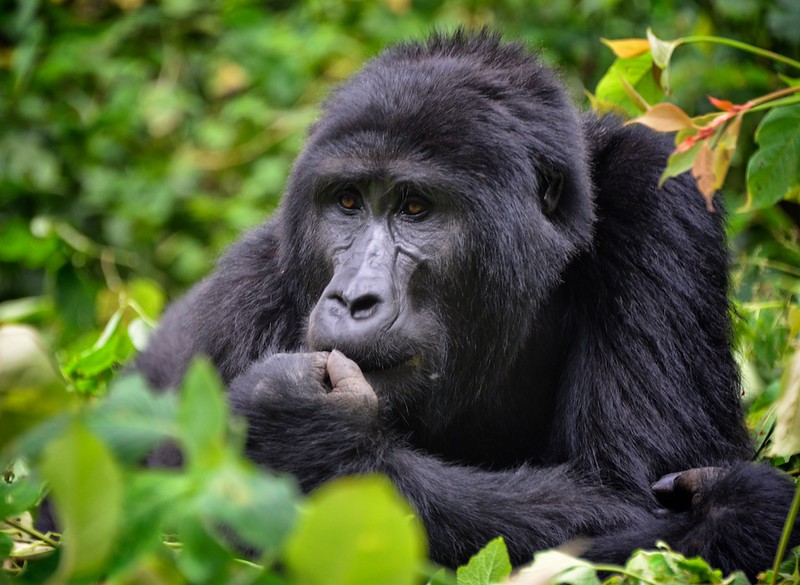
Is Bwindi worth visiting without gorilla trekking? Bwindi Impenetrable National Park, a UNESCO World Heritage site located in the southwestern part of Uganda. It is a home to half of the world’s mountain gorillas, and the rich ecosystem comprises 120 mammals, 350 bird species, 200 butterfly species, and over 1,000 plant species. The main tourism activity is gorilla trekking due to the increased population of the mountain gorillas. The national park spans 321 square kilometers, with landscapes ranging from 1,190 to 2,607 m above sea level. Bwindi National Park lies in the western arm of the rift valley in the Kigezi highlands, comprising mostly montane and tropical lowland forests. Gorilla trekking in Bwindi is the main attraction due to the increased number of habituated gorilla families that were trained to sustain human presence.
Understanding Bwindi beyond mountain gorillas
Since Bwindi Impenetrable National Park is a heartland for the mountain gorillas, it also has the richest biodiversity with stunning open landscapes and biodiversity in the misty, thick landscapes and dense ancient rainforest that attracts tourists. Discover the fabulous biodiversity attractions of Bwindi Forest, beyond mountain gorillas, by exploring the wildlife creatures, bird species, plants, primates, and different plant species. Beyond mountain gorillas, Bwindi comprises primates like the colobus monkeys and chimpanzees; it is a paradise to over 350 bird species, namely, the African Green Broadbill and Rwenzori Turaco, among others; the different mammals like the forest elephants, giant forest hogs, and duikers; plant species including canopy trees like mahogany and ebony; thick undergrowth, for example, ferns and orchids; over 200 butterfly species; reptiles and amphibians; and community tours, among others.
Guided forest walks and nature trails in Bwindi
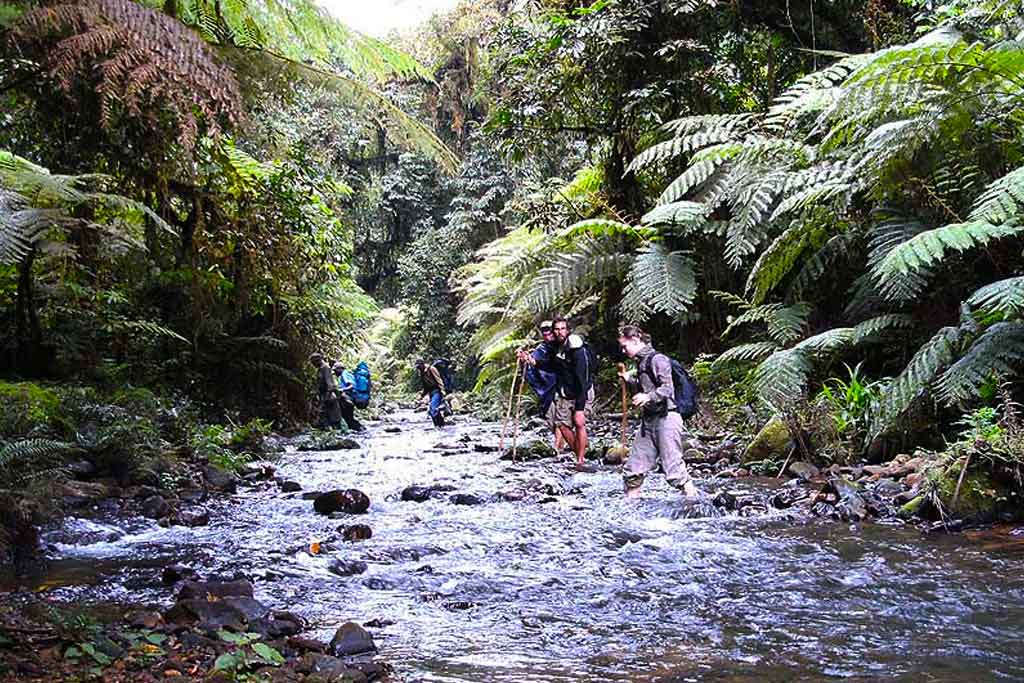
If you are interested in exploring the ancient rainforest at your own pace, guided forest walks are the perfect choice for your adventure. These walks are done through the scenic trails where you explore the rich biodiversity of the forest. During these, you are able to spot the various flora and fauna, which include mammals like the duikers, forest elephants, and colobus monkeys; plants like medicinal plants and canopy trees; and reptiles, among others. Some of the trails that help you explore the park include the Ivy River Trail, the Munyaga Waterfall Trail, and the Habinyanja Trail, among others. others. These trails provide the perfect views for photographers and nature lovers and help you hike in the deep, beautiful, thick forest.
Bird-watching opportunities
Bwindi National Park is a paradise for birders since it hosts over 350 bird species. It is a habitant of the Albertine Rift endemics and cannot be spotted anywhere in the world. The perfect sector for the birding adventure is the Ruhija sector, which is found in the higher elevations of the park. The different bird species sighted include the African Green Broadbill, Rwenzori Batis, Strange Weaver, Handsome Francolin, and Francolin, among others. These bird species can also be spotted along the forest trails in the different sectors, like the Rushura Hill trail in Buhoma or the Buniga forest trail in Rushaga or Nkuringo.
Cultural encounters in Bwindi
Another adventurous way to explore Bwindi National Park is through community walks. These are guided tours to the nearby communities, allowing tourists to see the traditional life and practices of local people. Among the various practices, you are able to see how beer is made through local brewing and how art pieces like crafts are made, visiting the local schools and the health facilities, among others. others. Community encounters have promoted conservation and supported it, hence improving the standards of living of the local people since they guard and protect the forest.
Adventurous activities in Bwindi
Tourists who would love to enjoy the adventurous physical activities like mountain biking, cycling, and hiking. These are done along the forest trails, which help you explore the plant species, scenic landscapes, and bird species and also interact with the Batwa people, also known as the forest dwellers. These activities help you explore the deep nature of the rainforest beyond gorilla trekking.
Wildlife viewing beyond mountain gorillas
Bwindi Impenetrable National Park offers more than mountain gorilla encounters; it supports numerous plant and animal species in the thick, dense vegetation cover. The numerous types of wildlife include mammals like the forest elephants, giant forest hogs, bush pigs, colobus monkeys, and chimpanzees; reptiles and amphibians like chameleons and frogs; and insects like the beetles and termites, among others.
Photography and nature exploration
The thick dense rainforest and the scenic landscapes provide the best photography spots. Before filming or taking any photographs, guidelines should be followed to respect the local communities and the environment. Through this, photographers explore the breathtaking nature through the forest trails of the ancient rainforest. The unique photography spots include the nature trails, Bwindi’s dense vegetation, waterfall photography, primate photography, bird photography, and cultural photography, among others.
Eco-lodges: lodges in Bwindi
A variety of services are available at these lodges to ensure a comfortable and relaxing stay in the breathtaking environments. These lodges range from luxury to mid-range to budget-friendly and offer the best services for your adventure. These lodges include Silverback Lodge, Volcanoes Safaris Bwindi Lodge, Engagi Lodge, Gorilla Lodge, Mahogany Springs Camp, and Bwindi Guest Camp, among others.
Best time to visit Bwindi national park
Bwindi National Park can be visited all year round. But the best time to visit the park is during the dry season from June to August and from December to February since roads are easily accessible, the skies are clear for the perfect conditions for photography, and the forest trails are less slippery and muddy, making it easy to hike through the forest.
While during the wet season between the months of March and May and from September to November, the roads sometimes flood, making it difficult to access the park; the forest is misty with unclear skies, making it difficult for photography; and the forest trails are muddy and slippery, making it hard to navigate through the thick forest. forest. This season also favors birders since a majority of birds are spotted, and it is eco-friendly to budget travelers since the lodge facilities are discounted.
In conclusion
Bwindi Impenetrable National Park is more than a host for the mountain gorillas but has an ancient rainforest that is a habitat for the rich, diverse wildlife and provides the scenic views of the landscapes, stunning waterfalls, and the unique culture of the Batwa people. Beyond gorilla trekking, it offers bird watching, cultural experiences, mountain biking, biking, and forest walks for tourists. Exploring Bwindi is not just an adventure but offers a life-changing opportunity to feel the nature, wildlife, and culture of the most known ancient forest.