How Does Gorilla Tourism Protect Endangered Species in Bwindi?
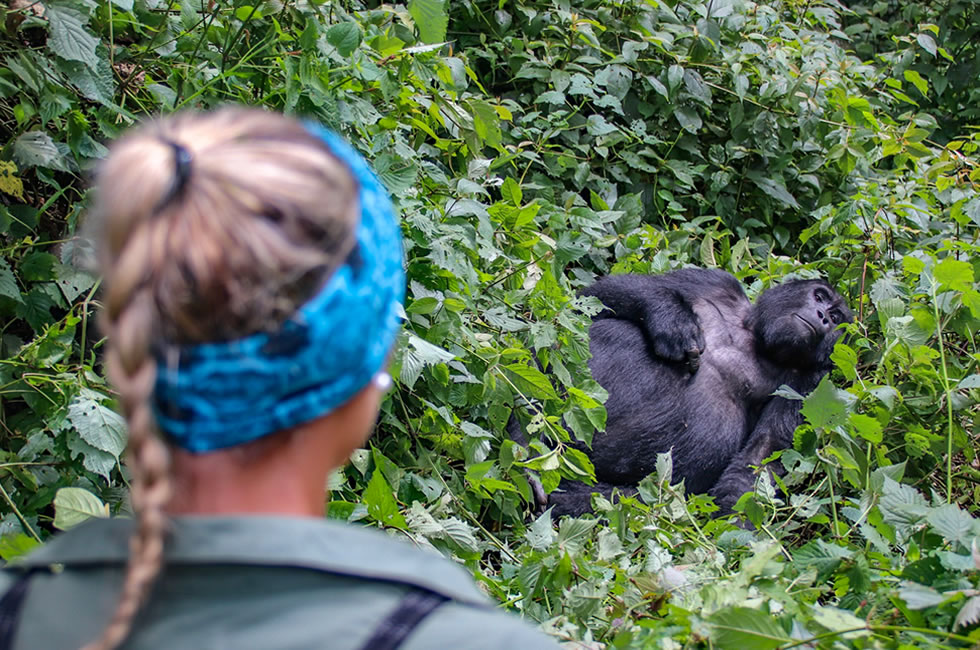
How Gorilla Tourism Protects Endangered Species: Gorilla tourism in Bwindi Impenetrable National Park stands as the most attractive adventure in Uganda. Various tourists around the world come to Uganda for their gorilla trekking safari since Bwindi hosts half of the world’s endangered species. Mountain gorillas are divided into two species, like the eastern and western ones. They inhabit the Albertine rift of the park in areas ranging from 2,200 m to 4,200 m above sea level. They also inhabit some part of the Virunga Volcanoes located in the Democratic Republic of Congo. These endangered species face a lot of threats that include poaching, habitat destruction, and diseases, among others, which results in low populations.
Gorilla tourism involves seeing and observing the mountain gorillas in their habitants. The main gorilla tourism destinations are Bwindi Impenetrable National Park and Mgahinga National Park in Uganda, the Virunga Mountains in the Democratic Republic of Congo, and Volcanoes National Park in Rwanda. The regulations and guidelines for tourists to ensure the safety of the endangered species include maintaining a 7-meter distance away from the mountain gorillas; gorilla trekking should consist of 8 members to avoid further disease spread; and tourists should avoid eating and drinking in front of the gorilla families since it is highly prohibited.
Economic benefits of gorilla tourism
Gorilla tourism in Bwindi National Park on a Uganda safari is an eco-conscious experience that plays a crucial role in the tourism sector of Uganda. Every gorilla trekking permit provides revenue that helps to fund the conservation projects and surrounding communities in Bwindi. Gorilla tourism raises awareness of protecting these endangered species by developing conservation measures.
Gorilla tourism has brought economic benefits through the generation of revenue from the trekking permits. Since gorilla trekking is the most done tourism activity, funds gathered from the gorilla trekking permits have helped in the management of the park premises and promoted conservation projects. It has provided great opportunities for the local people working as rangers, guides, lodge staff, and others, hence improving their standards of living.
Income generated from the permits and also support got from international organizations is invested in conservation measures that ensure the protection of the endangered species. The conservation efforts include anti-poaching measures, habitat restoration, afforestation programs, and gorilla searches, among others.
The revenue obtained also helps in funding the conservation team that includes porters, gorilla doctors, tour drivers, anti-poaching patrols, and conservationists who help in the protection of these endangered species.
Role of gorilla tourism in conservation
Gorilla tourism plays an important role in wildlife conservation. The funds generated from the gorilla trekking permits contribute to the protection of the mountain gorillas. The revenue obtained helps in promoting conservation initiatives, namely habitat protection, anti-poaching measures, and research. These contribute to the protection of the gorillas, hence increasing their populations.
Gorilla tourism revenue has enabled conservation organizations and programs to implement strategies that involve monitoring the movements and habitat of these endangered species 24/7 through surveillance cameras, hiring gorilla doctors to ensure the proper health of these animals since they are highly exposed to diseases, and deploying anti-poaching patrols that survey the park areas so that in case there are snare wires, they are being removed to prevent gorilla injuries.
Gorilla tourism supports and raises global awareness and support, ensuring the protection of the mountain gorillas. In this case, international organizations provide funds that are used in the conservation projects and measures to ensure the increase of these endangered species. It has also promoted combined efforts where the local government, local communities, international or global organizations, and the Uganda Wildlife Authority, which governs all national parks, emphasize effective conservation measures that ensure the survival of the mountain gorillas for future generations.
Community involvement and Benefits in gorilla tourism
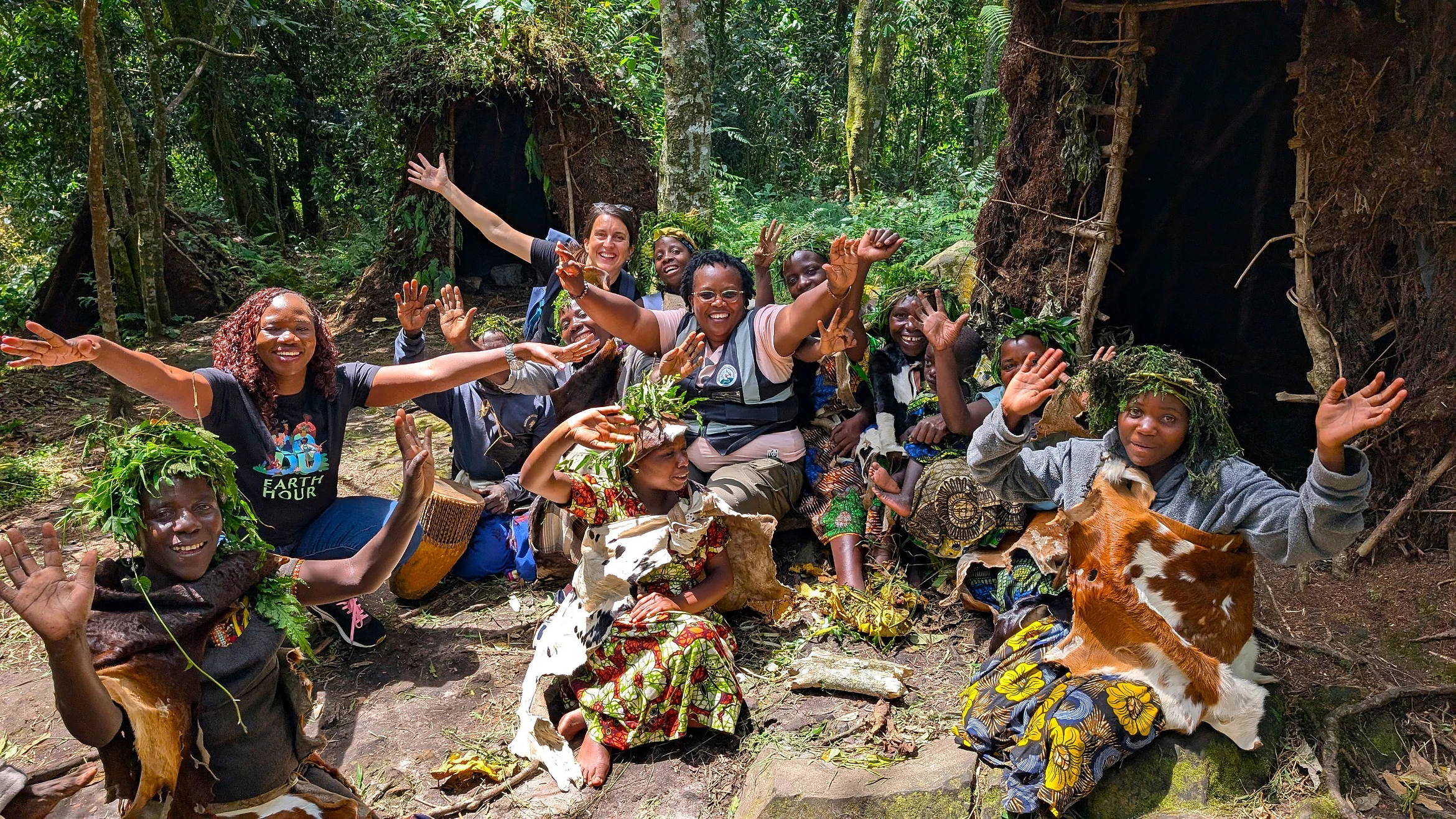
Gorilla tourism has also played a crucial role in developing the local communities around Bwindi National Park. It has provided employment opportunities for the local people by working as trained guides or rangers, porters, lodge staff, and others, which has improved their livelihood. The community development through the establishment of clean water projects, health centers, and schools has reduced human encroachment since the local people no longer depend on the forest’s resources.
Revenue from gorilla permits has been funded in the development of infrastructure like roads, hence ensuring easy accessibility to the park. It has also promoted ecotourism, preserving the cultures and improving the livelihood of the local people.
Challenges of gorilla tourism
There are many threats and challenges faced while protecting the mountain gorillas. With various threats occurring, the survival of these endangered species is due to the conservation measures that were put in place in the park. The various challenges faced in gorilla tourism include habitat loss, where many gorilla shelters have been destroyed due to human settlement and activities like logging.
Infectious diseases like colds and flu put the mountain gorillas at risk. Since humans and mountain gorillas share 98%, respiratory diseases can easily cause a threat to the lives of these endangered species. Therefore, tourists are encouraged to follow the gorilla trekking guidelines to ensure the safety of these wild animals.
Poaching, which was the main threat of the mountain gorillas in the past years, reduced their population. Poaching, being an illegal activity, has put the mountain gorillas at high risk since poachers use snares to target small animals like the bush pigs but end up injuring these endangered species. These animals are poached since there is high demand for gorilla meat on the world market and gorilla meat consumption in some areas is seen as prestigious.
Climate change is a global threat since it is altering the rainfall and temperature ranges around the park. It has resulted in stress among the mountain gorilla inhabitants due to the altering rise and decrease of the temperatures. It has also led to food scarcity, reducing the food concentration of the endangered species.
In conclusion
Gorilla tourism protects endangered species through emphasizing conservation measures that protect the gorillas, resulting in community development and sustainable tourism, ensuring future generations enjoy the biodiversity of Bwindi Impenetrable National Park.