How Climate Change Affects Bwindi Impenetrable Forest Park.
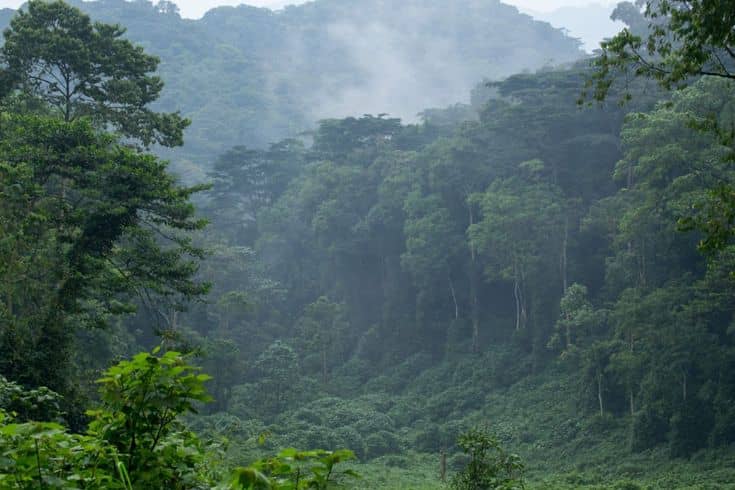
Climate change impact on Bwindi National Forest Park: Bwindi Impenetrable National Park is located in the southwestern part of Uganda, with thick, misty rainforests. Bwindi experiences an equatorial climate characterized by various temperatures between 16 and 26°C, providing favorable conditions for gorillas. The forests undergo two rainfall seasons that occur between the months of March and May and from September to November. These rainfall seasons favor the growth of thick vegetation, hence supporting the ecosystem of the forest. The moderate elevations of the forest between 1,160 and 2,607 meters above sea level enable the growth of plant life.
Climate change on Bwindi flora and fauna
The climate conditions of Bwindi favor the growth of Bwindi’s biodiversity. The biodiversity increases the wildlife populations but also creates room for researchers, scientists, and conservationists. The altering rainfall patterns and increased temperatures disrupt the forests’ biodiversity. These patterns delay the flowering processes and fruiting seasons, leading to a decline in the diet of the gorillas.
The different altitudes, rainfall patterns, and temperatures have enabled the growth of different vegetation species like montane forests, lowland vegetation, tropical forests, and bamboo forests. These different vegetation varieties act as habitats for the wildlife species in the park, like the primates, mountain gorillas, different bird species, and numerous plants like the ferns.
Climate changes through heavy rains that result in flooding and soil erosion, hence destroying the habitats of gorillas. The landslides destroy feeding points for the gorillas and gorilla trekking trails. While prolonged dry spells increase the occurrence of wildfires, leading to the destruction of gorilla habitats and food sources and resulting in the death of some wild animals. Since Bwindi Forest is misty, wildfires rarely occur.
During the dry spell, humans tend to encroach on the forest edges since farming yards become less productive, forcing them to expand their farms towards the forest edges, destroying gorilla habitats. Since farmers harvest low yields, they are forced to practice illegal activities like poaching, depending on animal meat for survival, resulting in a decrease in gorilla populations.
Climate changes result in disease transmission. The varying temperatures and humidity levels favor the lifecycle of disease-causing pathogens, hence exposing mountain gorillas to diseases. Human interactions with gorillas can also expose mountain gorillas to respiratory diseases since humans and gorillas share 98% DNA, making them susceptible to diseases.
Rainy seasons in Bwindi trigger the gorilla trekking experiences since the trails are always muddy and slippery. Therefore, gorilla trekkers are advised to tour the park during the dry season, which is between the months of June and July and from December to February. These months offer the best trekking safari experiences in Bwindi Impenetrable National Park.
Tourism tips for Bwindi visitors
Bwindi Impenetrable National Park offers wild views and different wildlife species besides mountain gorillas. It has lush, misty, thick trees with rough terrain and steep hills. Gorilla trekking and gorilla habituation provide a life-changing adventure in the park. It also caters to birdwatchers and nature walks around the park. The various tips that help visitors to enjoy the beauty of the forest and wild animals are through following the above terms.
Before visitors travel to Bwindi National Park, they are advised to take health precautions like purchasing antimalaria pills or buying mosquito repellents. This medication should be taken days before the trip to emphasize health precautions. Tourists are advised to wear long-sleeved shirts and trousers to prevent insects from climbing their bodies and to avoid mosquito bites since the forest is thick and involves holding onto stems and branches.
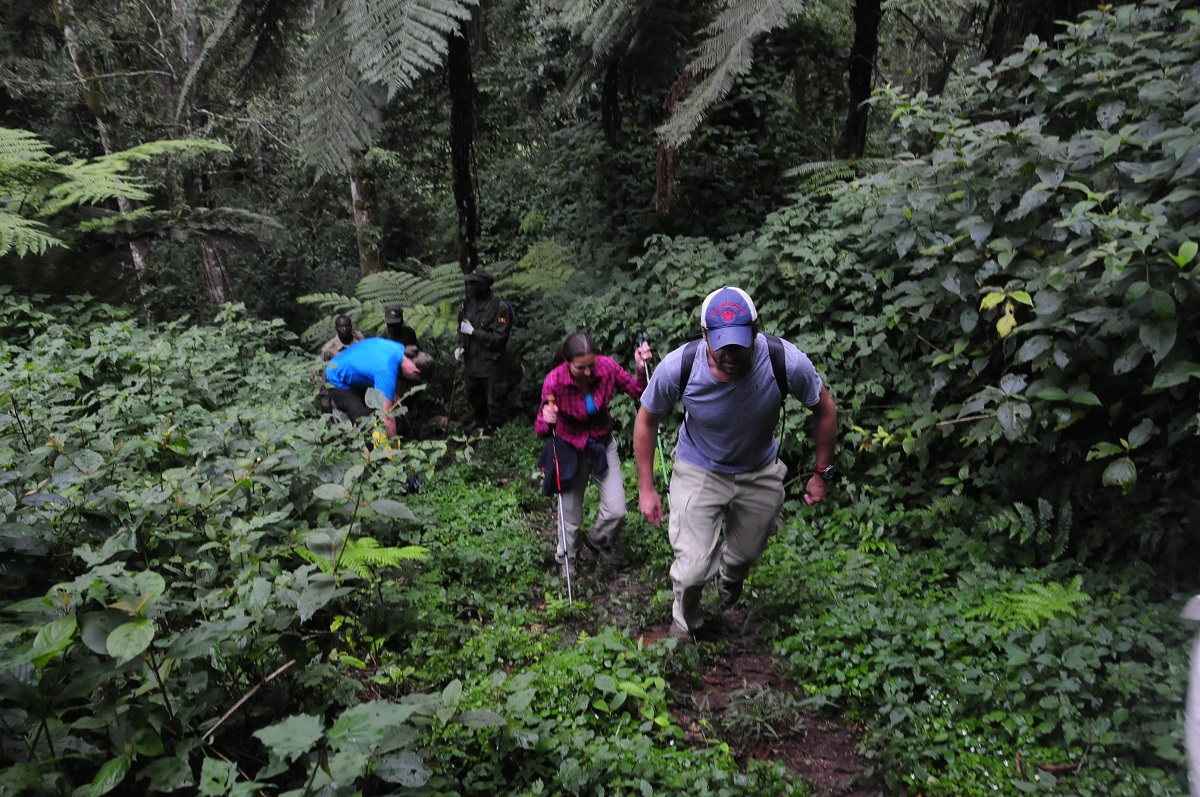
During gorilla trekking, tourists are advised to keep a distance of 7 meters away from the gorillas since mountain gorillas are exposed to human diseases like cough, flu, and others, putting their lives at stake. At the starting point of each trekking experience, tourists are advised to report to their guides or rangers in case they do not feel well. When trekkers encounter gorillas and they feel like coughing or sneezing, they are advised to cover their mouths completely. Tourists are prohibited from directly touching the gorillas even if they approach.
During the trekking sessions and habituation sessions, trained guides and rangers led the way through the jungle to spot gorilla families. Visitors are advised to follow instructions during their trails. Their main aim is to protect both wildlife and tourists. Disobeying the guides’ instructions results in danger and puts everyone at risk.
When visitors are trekking while on a Uganda safari, they are told to keep their voices down and stay calm because gorillas dislike noise and sudden movements. When a gorilla charges towards you, avoid standing up and screaming because this may result in harm. You are advised to slowly lower your body down, avoid eye contact, and remain stiff until the gorilla backs off. Remaining calm enables a safe experience in the park.
Before trekking, visitors are told to carry energy snacks and a water bottle. This is because of the long hours while trekking, which take about 1 to 6 hours. Littering in the park is highly prohibited, and you are advised to carry plastic bags for waste disposal, like plastics, papers, and any other waste. Smoking, taking liquor, and eating in front of the gorillas are prohibited. Therefore, tourists are advised to follow conservation guidelines to keep the park clean and protect wildlife and plants.
While taking pictures of gorillas, visitors are advised to use flash-less cameras during shooting. The flashlights from phones and cameras irritate the gorillas, making them charge towards you. Nice pictures are possible to take with the natural light.
Dress code matters while trekking gorillas. Visitors should wear long-sleeved shirts and trousers plus waterproof boots to protect their bodies from insect bites. Dull-colored clothes like brown, green, and gray that match nature are advised since bright colors may trigger the gorillas. Dressing right enables you to keep your body safe from bugs, stings, and bites.
In conclusion, if gorilla habituation and gorilla trekking permits are purchased for the gorilla safari, essential items should be packed for your trek, like mosquito repellent, cameras without flashlights, water bottles, energy snacks, and spare batteries for the camera. This enables you to be ready for the beautiful scenery of Bwindi Impenetrable National Park.