Bwindi Community Tourism Experiences and Activities | Uganda Gorilla Safaris.
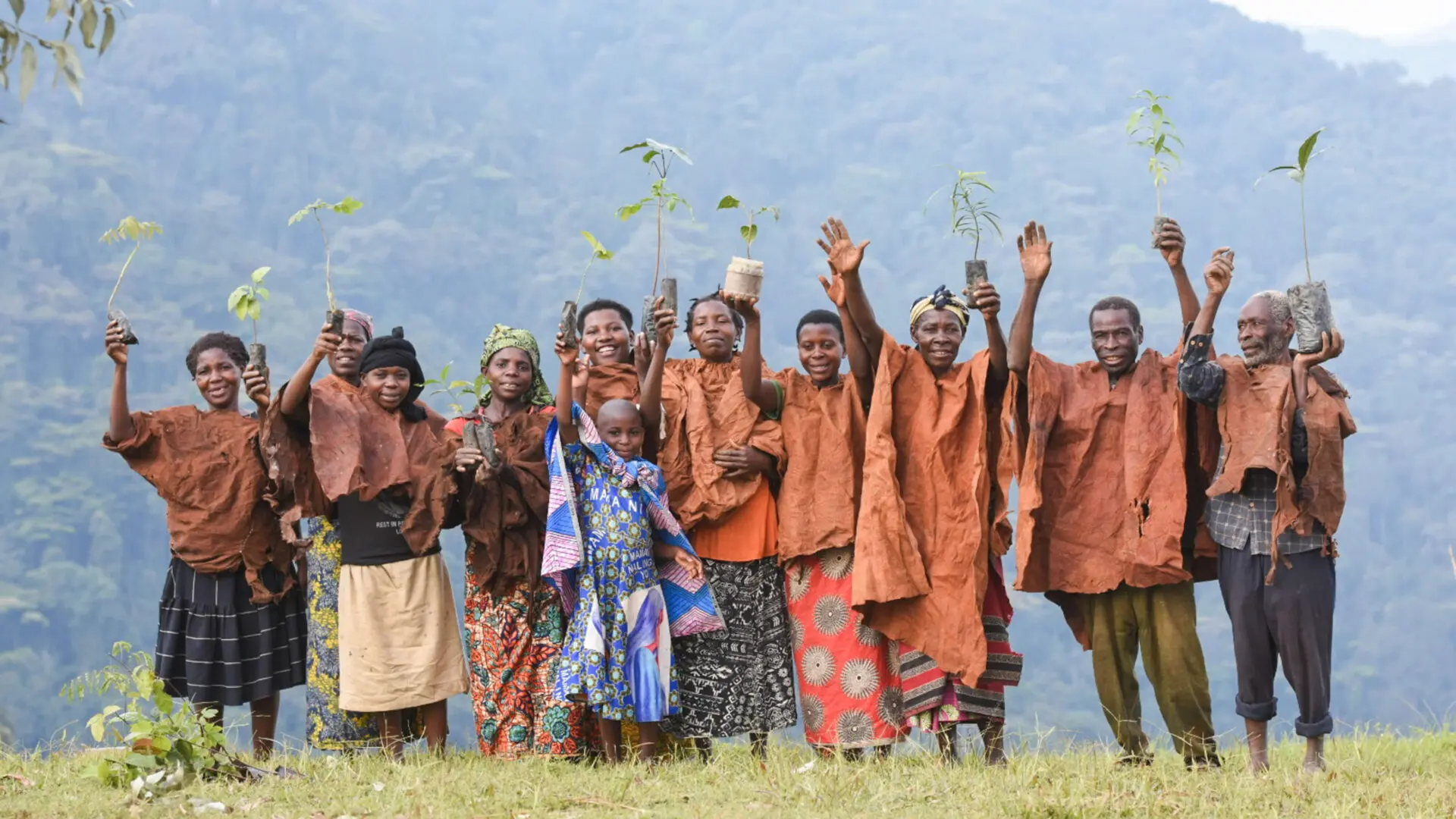
Community tourism around Bwindi National Park is a sustainable tourism experience that is owned and managed by the local residents or people. Community tourism ensures that revenue obtained from the tourism activities benefits the local communities. Community tourism has enabled tourists to gain the deep, unique insights of the traditional people, their way of living, and supporting the craft materials.
Bwindi Impenetrable National Park is located in the southwestern part of Uganda near the districts of Kisoro, Kabale, and Kanungu. This park hosts half of the world’s endangered species, known as the mountain gorillas. It spans an area of about 321 square kilometers, comprising tropical lowland and montane vegetation. It is found in the western arm of the rift valley with various creatures like birds, butterflies, and mammals, among others. It ranges from an altitude of about 1,190m to 2,607m above sea level.
Stakeholders in community tourism
Various stakeholders in Bwindi National Park help in the conservation efforts of the forest, which include local, international, and national stakeholders.
Government agencies include the Uganda Wildlife Authority, which is responsible for managing all parks in Uganda; District Local Government, which helps in supporting development projects around the park; and Local Council Leaders, who facilitate communication between the local people and the Uganda Wildlife Authority.
Local community groups include the Batwa people, community guides and porters, cultural artisans, and community groups like the women’s cooperatives.
Non-government organizations and conservation organizations include Human Gorilla Conflict Resolution, Bwindi Community Integrated Rural Development Initiative, and others.
Tour operators like the Forest Lodges and Hotels and tour companies, among others.
Local communities around Bwindi national park
Local people around Bwindi Impenetrable National Park settle in the various sectors, namely, Buhoma, Ruhija, Rushaga, and Nkuringo. These people are said to be indigenous due to their way of living. They include the Batwa people, also known as the forest dwellers, who were evicted from the park premises. The Bakiga people, the dominant Bantu group, are known for farming.
Key community tourism activities
Community tours in Bwindi Impenetrable National Park help tourists explore the local communities, support conservation efforts in the park, and contribute to local community projects improving the livelihood of the local people. The various community tourism activities include
Batwa tours
The Batwa people, also known as the forest dwellers, are the indigenous people of the forest. For many years these people have lived as forest hunters and food gatherers in the ancient rainforest. Despite being evicted from the forest, they have a unique traditional culture that has attracted tourists to visit them. Among the skills and practices tourists have engaged in with these local people include storytelling sessions, hunting techniques, preparation of food from firewood, making beer from local breweries, and herbal medicine knowledge, among others.
Guided nature walks
These guided walks enable tourists to connect with the deep, thick, misty rainforest, exploring the various creatures in the park. Some of the wildlife spotted while on these guided nature walks include colobus monkeys, forest elephants, duikers, bird species, butterfly species, and others. These guided experiences are done along the various forest trails, namely the Muzabajiro Loop trail, Rushura Hill trail, Munyaga waterfall trail, Kashasha river trail, among others.
Community tours
Community tours provide the perfect view of visiting the local people and tribes around the park. Among the community tours are the Buhoma community tour, which includes seeing the handcrafted materials, banana beer brewing, and village trails, among others; and the Nkuringo community tour, where tourists engage in storytelling sessions, dance performances, and scenic views of the landscapes. Nkuringo cultural center, which offers the best view of the souvenir production and handicrafts, hence enabling tourists to engage in the weaving process, music sessions, and other activities.
Access of communities around Bwindi national park
By road, tourists travel from either Entebbe International Airport or Kampala via the Masaka-Mbarara-Kabale route, and this journey is about 500 km, which is 8 to 9 hours to arrive at the community premises.
Tourists traveling from Rwanda pass through the Cyanika or Gatuna border to Bwindi, taking about 3 to 4 hours.
By air, domestic flights are booked from Uganda Aero Link from either the Entebbe or Kajjansi airstrip, connecting to the Kisoro or Kihihi airfield, and this takes about 4 to 5 hours. After landing, a car picks you up and transfers you to the different communities.
Economic importance of community tourism
- Community tourism helps in income generation through providing job opportunities for the local people like community guides, lodge staff, forest guides, and artisans, among others.
- It helps in supporting local businesses like the restaurants, craft-made materials, and community lodges, which help in the development of the communities.
- Revenue got from the trekking permits helps in funding the local communities, resulting in the establishment of schools, health centers, clean water projects, and others.
- It promotes cultural preservation where tourists participate in the traditional culture, like singing, dancing, and storytelling, among others, and has also empowered the local people.
Challenges facing community tourism in Bwindi
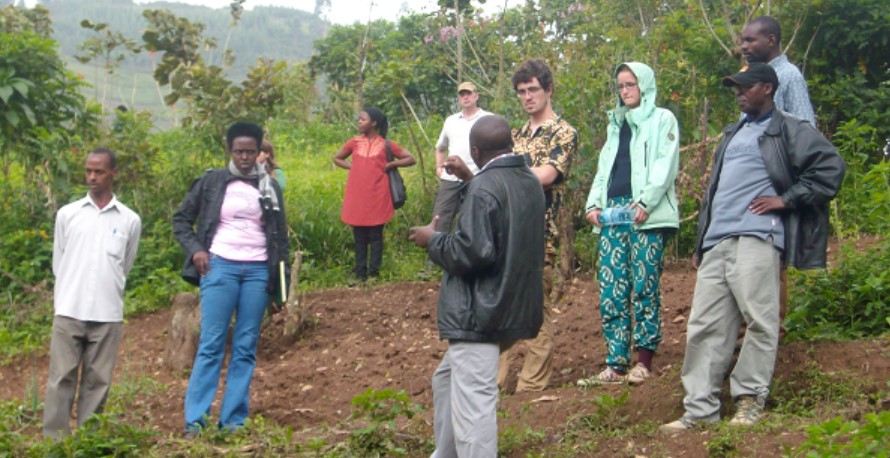
Community tourism in Bwindi National Park on a Ugandan tour faces a lot of challenges, both physical and environmental challenges. Among the challenges include;
- Limited sharing of revenue obtained from gorilla permits, which results in low conservation efforts and limited community developments in the park.
- Land conflicts between the local people and the park management causing threats to the endangered species.
- Underdeveloped infrastructural developments like roads, making it difficult to access the various communities.
- Destruction of property by the mountain gorillas and other wild animals, resulting in low conservation measures.
- High risk of diseases like the respiratory diseases, which highly affect the mountain gorillas.
Strategies for improvement and sustainability of community conservation
- Increasing the money funded for conservation measures that is acquired from the gorilla trekking permit fee to enable sustainable efforts.
- Promoting sustainable agricultural practices that enable the local people to earn income for their livelihood.
- Empowering local communities through providing opportunities to the local people and developing the various communities through constructing safe water projects and infrastructure like the roads.
In conclusion
Community tourism in Bwindi Impenetrable National Park is a rewarding adventure that combines culture, traditional history, and conservation measures.