Bwindi National Park FAQs: Gorilla Trekking Guide for Travelers.
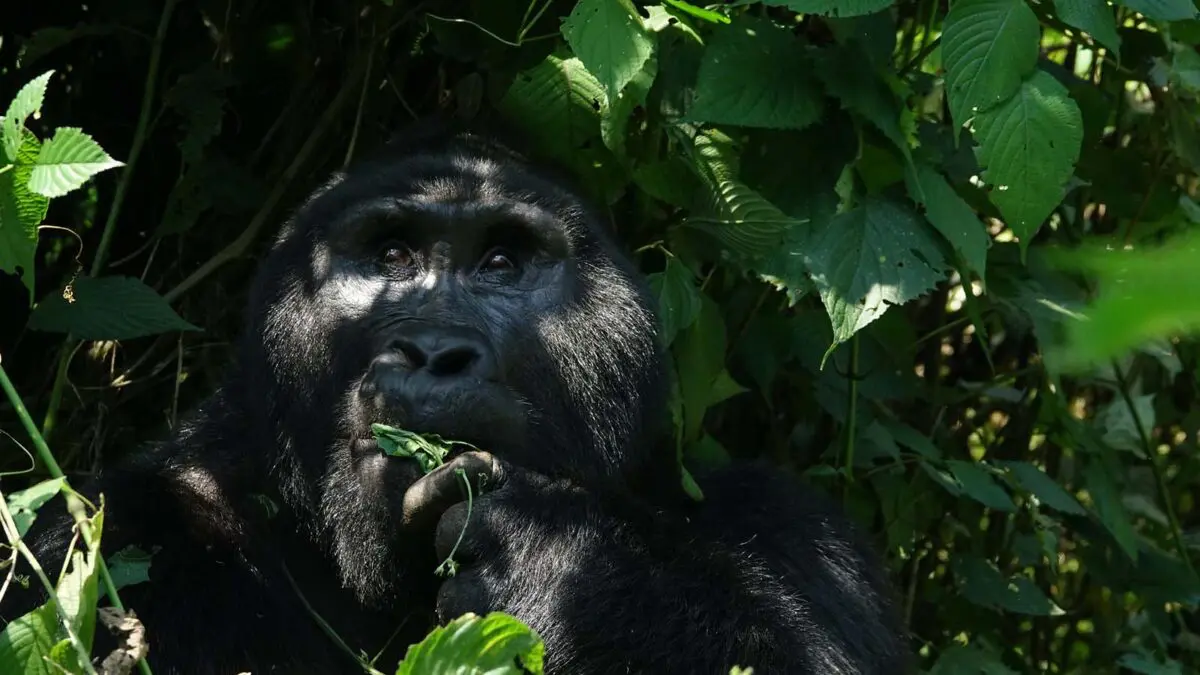
Bwindi National Park FAQs for Travellers: Bwindi Impenetrable National Park is a UNESCO World Heritage site situated in southwestern Uganda. It is nestled at the edge of the western arm of the rift valley bordering the Democratic Republic of Congo near the Virunga Volcanoes. Bwindi National Park is most known for hosting half of the world’s endangered species, called the mountain gorillas. It is also recognized for having a unique biodiversity comprising over 350 bird species with 23 Albertine rift endemics, 300 butterfly species, 120 mammal species, and over 1,000 flowering plants. The park is divided into four sectors, namely, the Buhoma sector, Ruhija, Rushaga, and the Nkuringo sector, with tourist activities like gorilla trekking, gorilla habituation, forest walks, cultural experiences, and bird watching, among others.
Bwindi National Park consists of a rugged, steep terrain with steep hills and narrow valleys. The park has an altitude ranging from 1,190 m to 2,607 m above sea level, experiencing two rainfall seasons and two dry seasons.
Gorilla trekking basics
Gorilla trekking on a Uganda safari is a guided hike through the thick, dense rainforest to locate mountain gorillas in their habitats. It is the most stunning adventure and tourism activity in Uganda. This activity is unique because you get to encounter the mountain gorillas closely to observe their behaviors and social interactions. It starts with a briefing at the headquarters, and groups of eight people are allocated a gorilla family to track down. Once you allocate the mountain gorillas, the guide gives you one hour to observe these giant creatures. The trekking sessions can last from 2 to 8 hours depending on where the mountain gorillas spent the night or how fast you locate a gorilla family.
There are differences between gorilla trekking and gorilla habituation in Bwindi. Gorilla trekking is carried out in the four sectors of Bwindi, namely, Ruhija, Rushaga, Buhoma, and Nkuringo, while gorilla habituation is only carried out in the Rushaga sector of Bwindi. Gorilla trekking involves spending only one hour with the endangered species, while the habituation experiences take four hours with the mountain gorillas. Here tourists, researchers, and conservationists get a chance to spend more hours with gorillas, observing their social behaviors, naming new infants, and spotting the ill individuals, among others. The trekking groups comprise eight members, while the habituation groups comprise four members.
Gorilla permits
Gorilla permits are tickets that are issued by the Uganda Wildlife Authority, which is responsible for governing all national parks in Uganda. These permits are issued to tourists so that they can be able to visit the mountain gorillas. The costs of the trekking and habituation permits differ.
Gorilla trekking permits cost $800 for foreign non-residents, $700 for foreign residents, and UGX 300,000 for East African citizens. A gorilla habituation permit costs $1,500 for foreign non-residents, $1,000 for foreign residents, and UGX 750,000 for East African citizens. Tourists are highly advised to book their trekking permits in advance to avoid any inconveniences since during the peak seasons the permits are competitive. You should secure your permits 3 to 6 months before the actual trekking date because in the peak season between the months of December and February and from June to August, they are sold out quickly.
You can book your gorilla permit through a well-licensed tour operator or from the Uganda Wildlife Authority. Booking through a tour operator is easier and faster compared to the wildlife authority. While booking, let your tour operator know the month and date that you would love to trek with the mountain gorillas. This helps the tour operator to help you plan according to the availability of the tickets and which trekking sector would suit you. Then after the tour, the operator will send you an email so that you can make payments through the bank.
Best time to visit
Bwindi National Park experiences a tropical climate with unpredictable weather patterns. It experiences two rainfall seasons and two dry seasons, also known as the peak seasons. The best time to visit Bwindi Impenetrable for your gorilla safari is during the dry seasons that run from December to February and from June to August since the forest grounds are less muddy and slippery, making it less challenging to hike through the thick, dense rainforest.
While the rainy season in Bwindi is not the best time for the gorilla trekking safari, it is highly recommended as the best time for birders since Bwindi is a paradise of different bird species. The season months run from March to May and from October to November because the forest grounds are slippery and muddy and sometimes roads that access the park boundaries are flooded. The rainy season is also highly recommended for tourists who do not love congested areas.
Getting to Bwindi
By road, from Entebbe or Kampala via the Masaka-Mbarara-Kabale route, the journey takes about 8 to 9 hours to reach the park boundaries using a reliable vehicle, a 4×4 safari vehicle. Some tourists access the park by road from Rwanda’s Kigali International Airport via the Cyanika or Gatuna border to Bwindi, and the journey takes about 3 to 4 hours.
By air, you can book domestic flights from Uganda Aero Link from either Entebbe or Kajjansi Airstrip to Kisoro Airfield or Kihihi Airfield, and the flights take about 2 to 3 hours.
Accommodation options
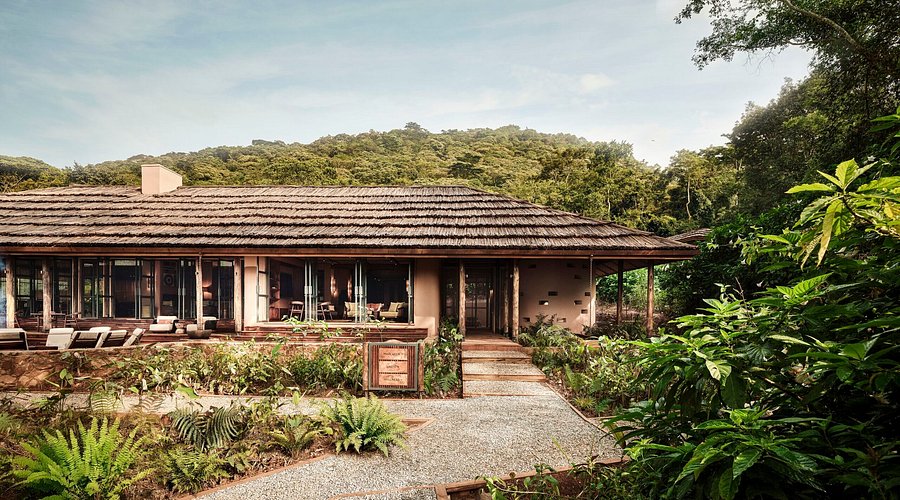
Bwindi offers accommodation facilities in all four different sectors, and these facilities range from luxury, mid-range, and budget-friendly lodges to Some of the luxury lodges include Nkuringo Gorilla Lodge, Buhoma Lodge, Sanctuary Gorilla Forest Camp, and Mahogany Springs Lodge, among others.
Mid-range lodges include Engagi Lodge, Gorilla Valley Lodge, and Ichumbi Lodge, among others.
Budget lodges include Karungi Camp, Bwindi Community Guest House, Ruhija Gorilla Friends Resort, and others.
Safety measures in Bwindi
The rules and guidelines that are emphasized in Bwindi National Park were put in place by the Uganda Wildlife Authority to ensure the safety of the tourists, local communities, and the mountain gorillas. these rules include
- The minimum age for a gorilla trekking safari is 15 years to ensure that the trekkers are physically and emotionally prepared for the adventure.
- A 7-meter distance should be maintained from the mountain gorillas
- While in the jungle, minimize your voices to avoid startling the mountain gorillas.
- Avoid eating and drinking in front of the mountain gorillas or feeding any infant gorilla.
- In case you would love to take photographs, use flash-less cameras, since light cameras agitate the mountain gorillas.
- In case a gorilla approaches you, avoid direct eye contact or gently lower your body to the ground so as not to impose any sign of threat.
Packing and preparation
While you are preparing for your adventure in Bwindi Impenetrable. The following items should be put into consideration. These include personal documents like a passport, gorilla permit, or a national ID for East African citizens. Long-sleeved clothing to prevent insect bites; hiking waterproof boots with good grips; binoculars and cameras; insect repellent; garden gloves; drinking water and energized snacks to stay hydrated, among others.
In conclusion
Bwindi Impenetrable National Park offers travelers an extraordinary adventure that offers thrilling hikes to encounter the mountain gorillas. With proper planning and preparation, you choose the right season for your life-changing adventure.