Bwindi Experiences Compared: Gorilla Trekking or Nature Walks?
Gorilla Trekking Vs. Nature Walks In Bwindi: Bwindi Impenetrable National Park, located in the southwestern part of Uganda, is a UNESCO World Heritage site. It comprises montane and lowland vegetation that is in a 321 square kilometer area. Bwindi Forest is an ancient forest with over 120 mammal species, 350 bird species, 200 butterfly species, and different flowering plants. It is located along the Democratic Republic of the Congo, overlooking the Virunga volcanoes. Bwindi is a sanctuary for various primates like monkeys and half of the world’s endangered species. It has four different sectors that include Buhoma, Ruhija, Rushaga, and Nkuringo.
Tourism activities like gorilla trekking and nature walks are a source of tourism revenue, where the funds help in developing local communities, hiring park rangers, and using wildlife research, among others. It helps in conserving the biodiversity in Bwindi, which protects the endangered species and other wildlife.
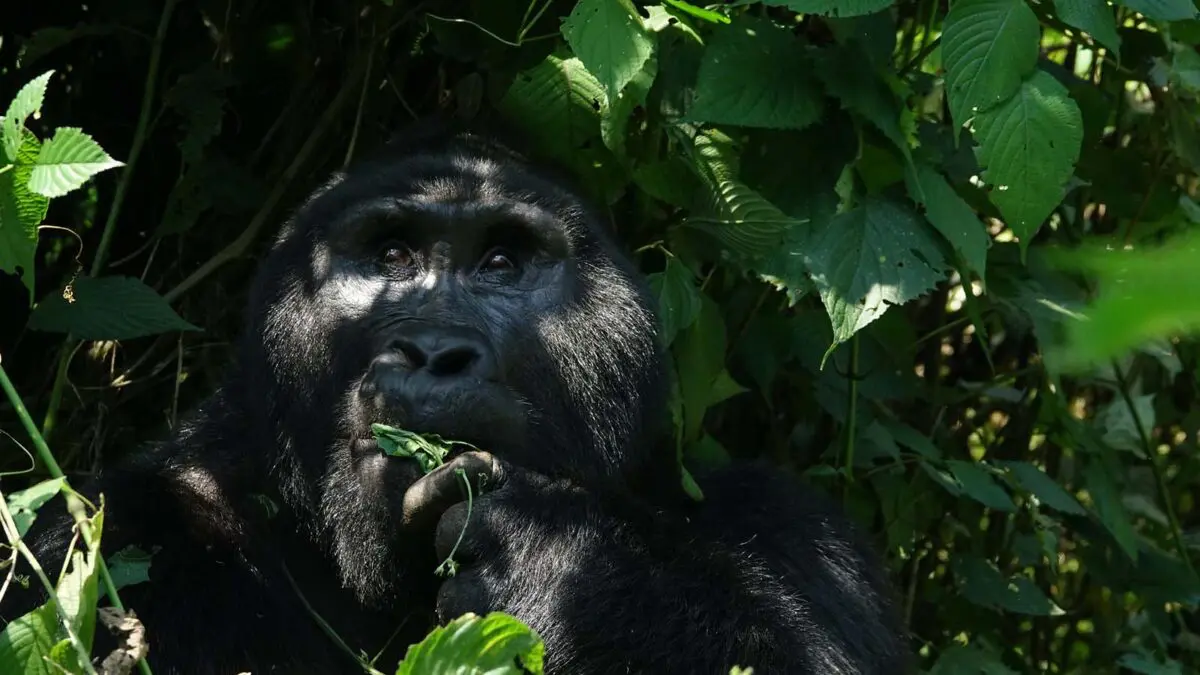
What makes gorilla trekking the most outstanding activity is that it is more challenging and adventurous, enabling you to observe the mountain gorillas for one hour, while nature walks are guided walks that are done at the tourists’ pace to explore the numerous biomes in the park, like birds, butterflies, and the community people, among others.
Gorilla trekking passes through steep rugged terrain and the thick jungle, while nature walks are less challenging since tourists can explore for only one hour depending on their choice.
Gorilla trekking permits are more expensive compared to nature walks, which are very affordable
Understanding gorilla trekking
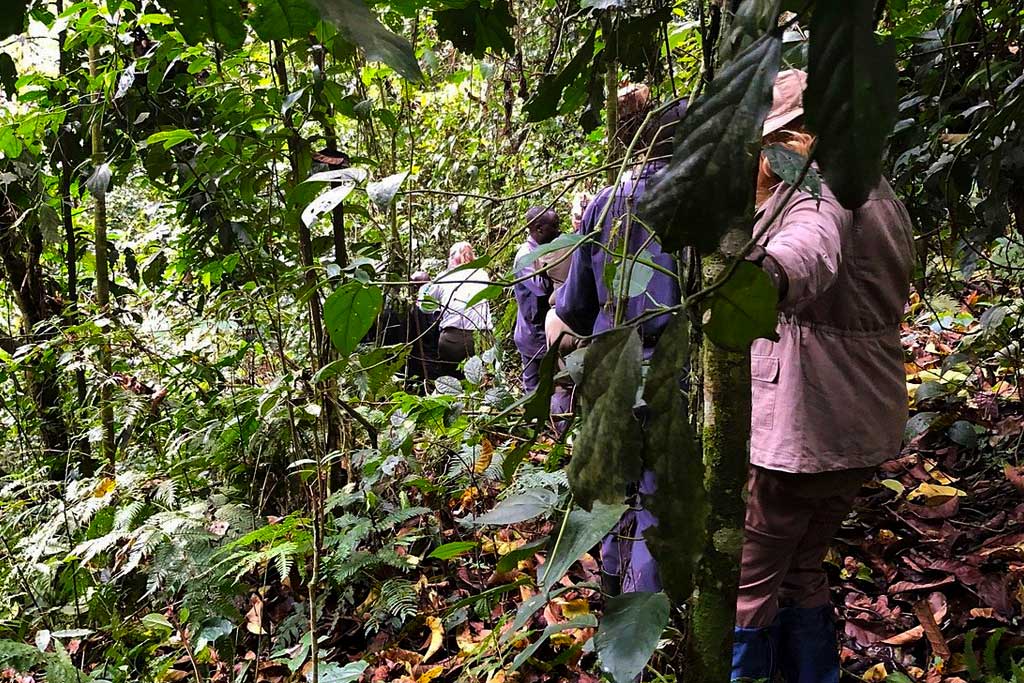
Gorilla trekking is a guided forest activity where tourists hike through the thick, dense rainforest to locate and observe the endangered species in their natural habitats. It involves navigating through the steep, rugged terrain, the hills, and the misty rainforest before spotting the gorilla families. Gorilla tourism remains one of the most outstanding adventurous activities in Uganda. Many tourists from all over the world visit Uganda for the gorilla safari, taking gorilla trekking as the best activity. Before 1991, when the park was not yet declared a national park, Bwindi Impenetrable was a Crown Forest Reserve where the mountain gorillas were exposed to a lot of threats. In 1991, Bwindi was then declared a national park, and in 1994, it was recognized as a UNESCO World Heritage site.
Different organizations started to promote tourism conservation measures and encourage active participation of the local communities in the conservation of Bwindi. These measures have tried to protect the mountain gorillas and other wildlife, leading to an increased population in the past years. Gorilla trekking in Bwindi National Park started in 1993. The first gorilla family to be trekked to was the Mubare family in the Buhoma sector. Today over 19 gorilla families in the different sectors of Buhoma, Ruhija, Rushaga, and Nkuringo are being trekked. The different rules and safety measures that govern gorilla trekking include
- In case a visitor feels ill or has any form of sickness, he or she is advised not to participate in the gorilla trekking safari because mountain gorillas are at high risk of acquiring diseases since humans share 98% DNA with the endangered species.
- A minimum of 8 people per group are required to track down the mountain gorillas.
- Tourists should follow the one hour rule for gorilla trekking since it enables you observe the different behaviours of the mountain gorillas.
- Flashless cameras or photographs are required since light agitates the gorillas.
- Maintain a seven-meter distance from the mountain gorillas.
For tourists to deal with the challenging treks, they should be physically fit and emotionally prepared. This is because gorilla trekking is an activity that is done through the thick, dense rainforest where you have to locate and observe the mountain gorillas. This does not prevent the less fit tourists from not tracking because mountain gorillas can be spotted in less than or more than one hour depending on where they slept or spent the night. This activity also favors the physically disadvantaged people, for whom sedan chairs are reserved, and this costs about $400.
The gorilla trekking permits in Bwindi Impenetrable National Park cost $800 for foreign non-residents, $700 for foreign residents, and UGX 300,000 for East African citizens. These permits include one hour for the mountain gorillas, security in terms of the guides and rangers, and park entrance fees.
Understanding nature walks
Nature walks are guided walks that are done at a slow pace through the thick, dense forest, exploring the flora and fauna of the park. These nature walks vary in the distance, making it favorable for all tourists. The nature walks help in physical fitness, studying nature, and doing research about bird species, butterflies, plants, and others. The different nature walks in Bwindi include the Munyaga Waterfall Trail, Ivy River Trail, Mubwindi Swamp Trail, and Bamboo Trail, among others. The various flora encountered through the nature walks include tree species like mahogany and ebony, bamboo vegetation, and fauna that include primates like monkeys and chimpanzees; mammals like the forest elephants; birds like the 23 Albertine rift endemics; and butterfly species.
The nature walks range in duration from 1 to 7 hours, offering a less challenging encounter through the steep, rugged terrain. The most popular nature walks in Bwindi include the Munyaga waterfall, Mubwindi swamp trail, and Ivy River trail. The nature walks in the park include $30 for foreign non-residents, $15 for foreign residents, and UGX 20,000 for East African citizens.
Differences between gorilla trekking and nature walks
Gorilla trekking on a Uganda safari deals with tracking the mountain gorilla families and having an hour encounter with the endangered species, while the nature walks involve exploring the scenic view of the thick forest by spotting the waterfalls, the birds, and the butterflies, among others.
Gorilla trekking permits cost $800 for foreign non-residents and $700 for foreign residents, which is relatively expensive, while the nature walks cost $30 for foreign non-residents and $15 for foreign residents, which is an affordable price for tourists.
Gorilla trekking involves passing through the thick, steep terrain to locate the mountain gorillas, and this starts from 1 hour to 7 hours, while the nature walks are easy and less challenging walks that are done through the forest trails.
Trekking with the mountain gorillas requires a maximum number of eight people per group to track the mountain gorillas, while nature walks require a small number of people, like 2 to 5 people.
Similarities between gorilla trekking and nature walks in Bwindi
Both the adventurous activities are experienced through the guides and the park rangers, who help you navigate and sight the different species in the thick forest.
Both are done by walking in the thick, dense forest with a rugged terrain.
Both offer close adventurous encounters with the biodiversity of Bwindi, which includes the flora and fauna.
Both activities are done through strict safety rules and guidelines to protect you and the wildlife.
In conclusion
Nature walks and gorilla trekking provide an incredible experience with the rich scenic nature of the park. If you are looking for a bucket list of tourism activities to participate in, gorilla trekking and nature walks should be inclusive.