Sustainable Tourism in Bwindi National Park: Eco Travel and Conservation Guide.
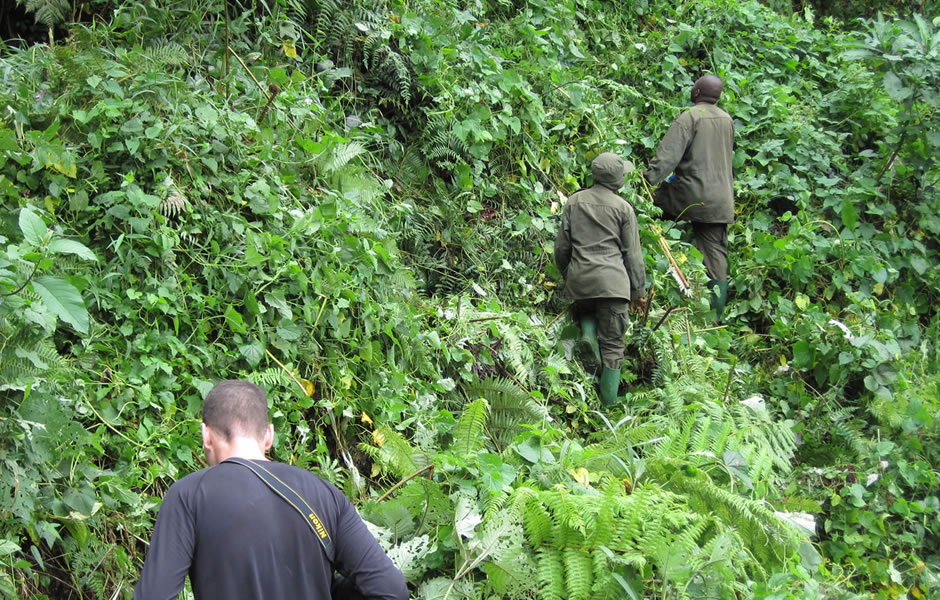
Sustainable tourism in Bwindi National Park: Bwindi Impenetrable National Park, nestled in southwestern Uganda, is a UNESCO World Heritage site. This park hosts half of the world’s endangered species with a unique, diverse system comprising 120 mammal species, 350 bird species with 23 Albertine Rift endemics, 300 butterfly species, and over 1,000 flowering plants.
The park has various tourism activities, which include gorilla trekking, gorilla habituation, birding, and cultural tours, which are carried out in the four main sectors, namely, Buhoma, Ruhija, Rushaga, and Nkuringo. Bwindi National Park is situated in the western arm of the rift valley bordering the Democratic Republic of Congo near the Virunga Volcanoes. It ranges from an altitude of about 1,190 m to 2,607 m above sea level with steep slopes and deep valleys. The ancient forest comprises Afromontane vegetation and tropical lowland vegetation. Sustainable tourism ensures the safety and protection of wildlife in Bwindi.
Sustainable tourism in supporting local people
Sustainable tourism has supported local communities through providing employment opportunities to the local people, like trained guides and rangers; lodge staff; porters; and others. The tour guides and rangers provide safety guidelines that ensure the protection of both the tourists and the endangered species.
Sustainable tourism has preserved the cultural heritage of the Batwa, where tourists experience the unique traditional culture of these local people through participating in storytelling, where you get to learn about the history of the forest dwellers, traditional music, and the energetic dances. This helps you acquire the insights of the livelihood of these people and the preservation of the ancient traditional knowledge.
Sustainable tourism has resulted in conservation efforts where different conservation strategies have been funded and supported to ensure economical and environmental sustainability. The conservation strategies include promoting ecotourism, where visitors book in eco-friendly lodges; research and monitoring; reafforestation to restore the cut-down trees; and ensuring tourists use biodegradable materials, among others.
It has promoted community development through establishing schools that foster educational services to the local communities, which expose children to their future careers and teach them about the conservation strategies, encouraging them to engage in vocational training, among others, and health services, improving the livelihood of the local people. It has also contributed to the projects that offer clean water services to the local people.
Promoted gender equality is where the women and men share roles to improve on the development of the communities. This has led to the development of women’s organizations and projects that empower the girl child and the elder women to earn a living. It has also encouraged women to start up their small businesses, like craft making, hence generating income-generating projects.
Promoted infrastructural developments like roads that improve on the accessibility of tourists to Bwindi National Park. The established roads enable local farmers to easily access the rural markets and provide health equipment to the local communities.
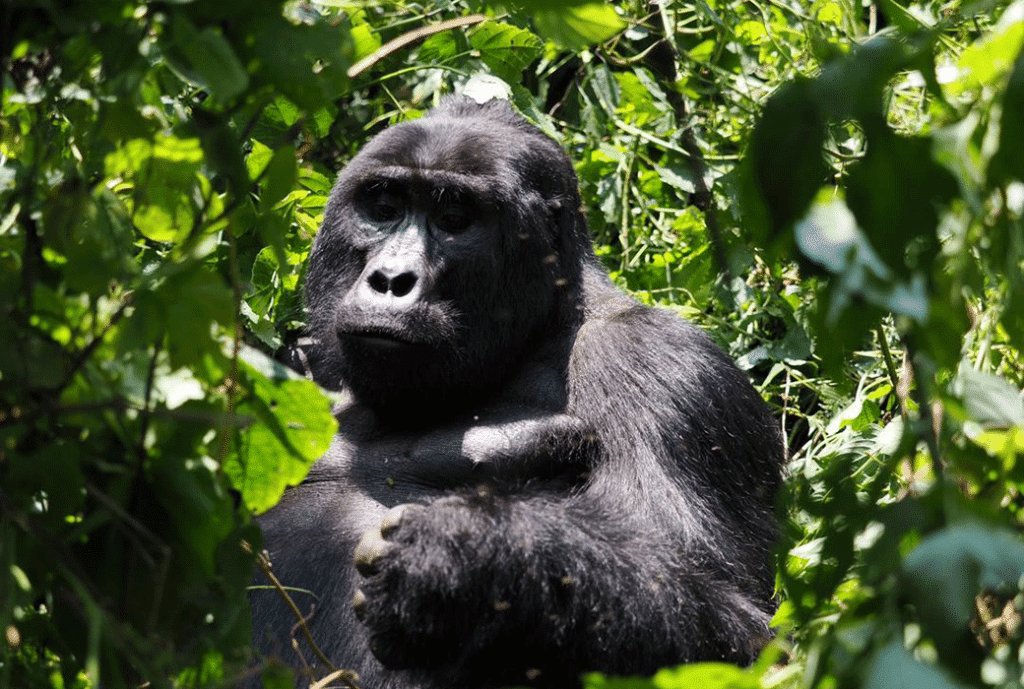
Concepts of sustainable tourism in Bwindi.
Sustainable tourism in Bwindi is equally important to the rich ecosystem of Bwindi National Park. It helps to control and manage the conservation strategies, sustainable measures, and social and environmental impacts. By ensuring responsible tourism practices, local people and the tourists can do away with the negative impacts like human-wildlife conflicts and deforestation by encouraging sustainable conservation practices like tree planting that enhance tourism activities for future generations. Some of the sustainable tourism practice you can do in Bwindi national park include
Booking your adventure through a licensed tour operator. It is important to book your travel plan and accommodation through a responsible tour company that follows the tourism principles and guidelines. Book your adventure with a company that is conscious about the conservation strategies and actively contributes to the development of the local communities. Staying in community-based lodges that contribute to the transformation of the local communities and in eco-friendly lodges that depend on the natural resources like the sun for solar energy, rainwater harvesting, and others. These lodges use sustainable, locally available resources that reduce environmental impact.
Tourists play a great role in donating thoughtfully, hence improving the livelihood of the local people. This can be done through directing, giving the local people money or items like clothes; providing health facilities like thermometers; and meeting school requirements like providing pens and books, among others, and this greatly benefits the local people.
Packing biodegradable materials like toiletries and toothpaste, among others, and limiting the use of plastics, which may be harmful to the ecosystem of Bwindi. Pack requirements like sunscreen and insect repellents that minimize environmental impact, ensuring that the products are easily broken down without introducing toxins into the environment. Choose clothing that blends with the natural colors of the forest, like green and brown, and do away with brightly colored clothes, like pink and yellow, that may attract unwanted attention from the wild animals.
Use public transportation means or tour operators to ensure fewer disturbances since Bwindi National Park is located in the remote areas. This helps you from losing the routes that led you to the park and also reduces the carbon footprint.
Respecting local communities by engaging with them responsibly and respecting their cultural rituals and norms, you should show humanity and respect towards the local people, supporting their small businesses through purchasing crafts and baskets since this can change their way of living.
Tourism activities in Bwindi national park
Despite Bwindi National Park hosting half of the world’s endangered species, the mountain gorillas, it hosts over 350 different bird species and other mammals that attract tourists for their stunning views. The tourism activities in Bwindi include gorilla trekking, where you spend one hour with the mountain gorillas; gorilla habituation, which is the most stunning experience, where visitors spend four hours with the habituated gorilla families observing their social interactions and behaviors; birding, which is done through walking along the different forest trails observing the different bird species and the 23 Albertine rift endemics; the colorful butterflies; and nature walks or forest walks that enable you to spot the different creatures in the park, like the mammals, for example, duikers, forest elephants, and colobus monkeys, among others. The stunning view of the Rwenzori Mountains and the Virunga Volcanoes, canoeing, and boat cruises along Lake Bunyonyi and Lake Mutanda, among others.
In conclusion
Sustainable tourism in Bwindi National Park offers life-changing experiences for tourists and the future generations. Tourists who choose licensed tour operators help in the conservation and sustainable tourism strategies, creating an incredible difference.