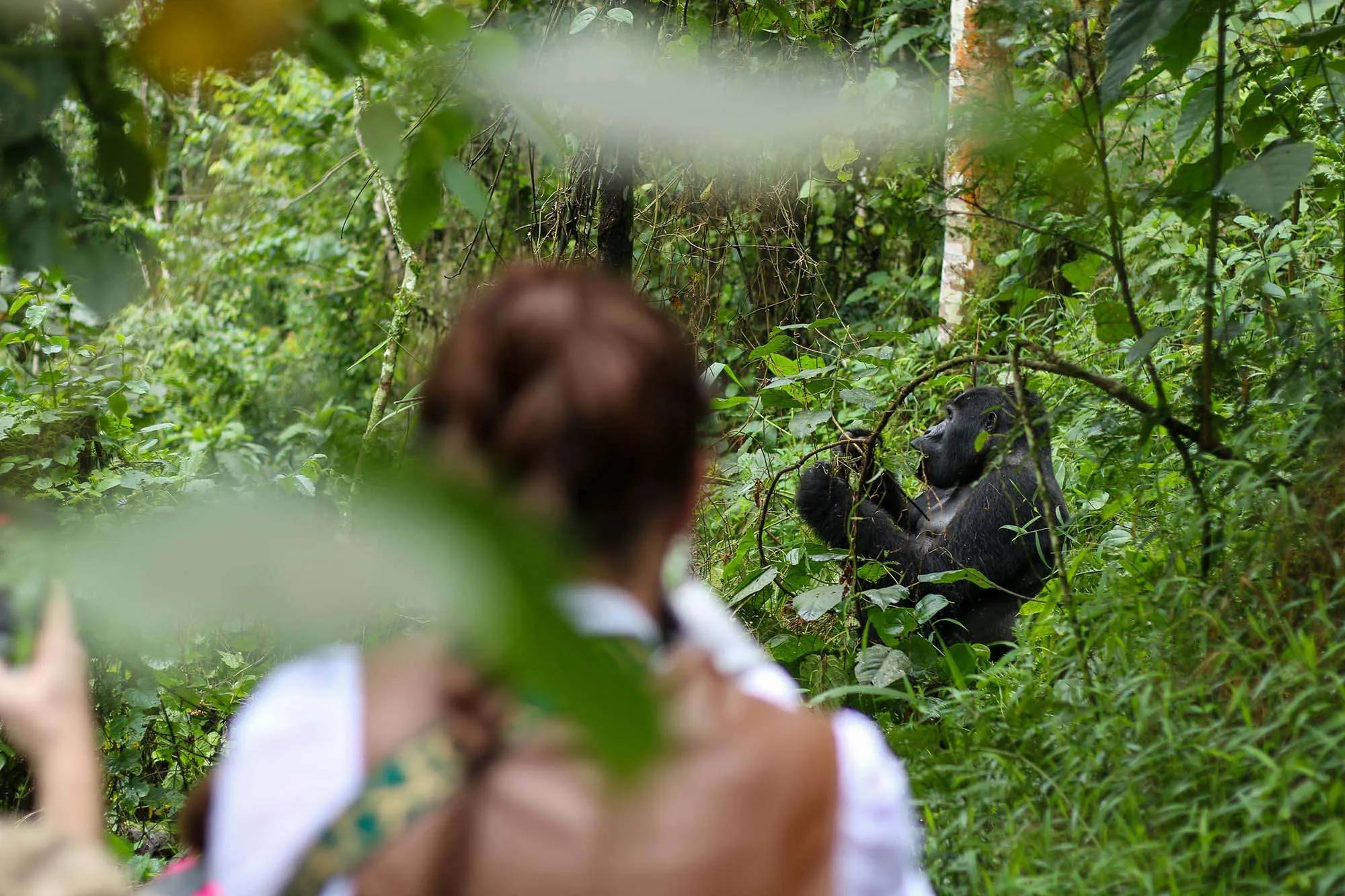
How difficult is gorilla trekking in Bwindi: Bwindi impenetrable national park is located in the south western part of Uganda. Gorilla trekking in Uganda is one of the most life changing encounters on a Uganda safari. The national park sits on a 321 kilometre with lush thick rainforests. Gorilla trekking is a guided adventure which is done through the rough steep terrain of Bwindi National Park and is led by the trained rangers. Gorilla trekking involves locating these endangered species. Bwindi National Park has four sectors where trekking sessions take place: Buhoma, Ruhija, Rushaga, and Nkuringo.
Bwindi Impenetrable National Park is a home to half of the world’s endangered species. It is covered with lush, dense vegetation cover.
Why is Bwindi considered to be difficult
Gorilla trekking in Bwindi is an adventurous encounter that requires physical fitness. It involves navigating through the thick, dense rainforest to locate these endangered species. The thick dense rainforest and steep rough terrain make the gorilla treks challenging. Gorilla trekking on a Uganda safari is an adventurous encounter that takes about 2 hours to 7 hours depending on how fast you spot the mountain gorillas.
Since Bwindi has tropical rainforests, rains are expected at any minute, making weather conditions unpredictable. This results in a challenging trek due to the slippery muddy flows of the forest.
Due to the high altitudes of the park, gorilla trekking, especially in Ruhija, is difficult because tourists walk through the steep terrain and muddy grounds, making it challenging.
Age requirements for a trek
The Uganda Wildlife Authority recommends people above the age of 15 years to go for gorilla trekking. The minimum age for all gorilla safaris. The personnel below the age of 15 years are not allowed because they are not physically fit and they tend to suffer from sicknesses like cough, flu, among others.
How fit should you be for a gorilla trekking safari
Gorilla trekking in Bwindi involves moving through the thick vegetation to locate the mountain gorillas. This adventure requires some amount of fitness. It requires endurance and a physically prepared body.
Tourists that have physical problems are told to schedule a gorilla trekking excursion so that the park premises make further preparations.
How long does a gorilla trekking safari take
When planning to trek mountain gorillas, it is difficult to know how long you will spend in the jungle due to various reasons like steep terrains and muddy floors that slow down the trek and spotting mountain gorillas since they move from one place to another looking for food. There is no specific duration for gorilla trekking, but treks can last from 30 minutes to 7 hours depending on how fast you locate the gorilla families.
During these treks, tourists are able to spot various creatures like primates, birds, and butterflies, among others. After a briefing at the park headquarters, trained rangers guide you through the deep vegetation to spot the mountain gorillas. The duration of the gorilla trek also depends on how fast each trekking group can navigate. After locating the mountain gorillas, you are given strictly one hour to observe the behaviors, feeding habits, and how they groom their infants. Some tourists take the opportunity to take pictures of their gorilla tour. After making the observations of the gorillas, tour guides led you back to the park headquarters where you were briefed.
What are the essential requirements needed for a gorilla trek
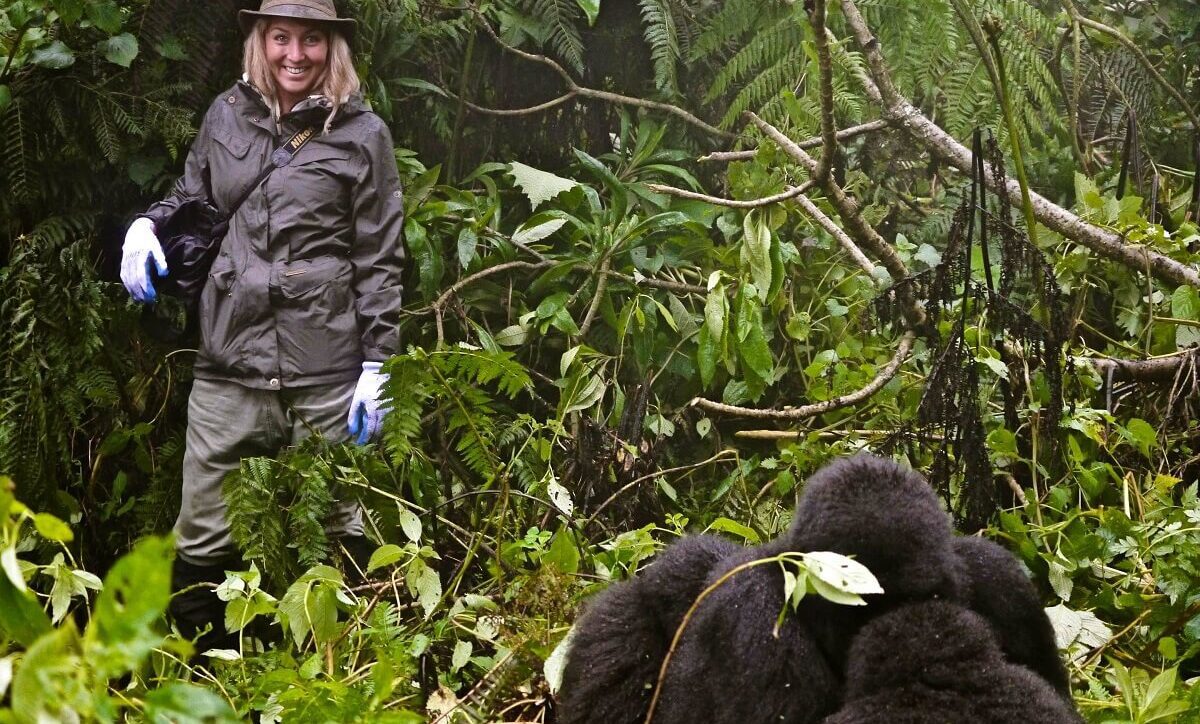
Preparing for a gorilla trek is essential before you travel. Every trek involves packing essential requirements that are needed to make your trek successful. The following requirements include a long-sleeved shirt and trousers to prevent tourists from mosquito bites; insect repellent since Bwindi has thick vegetation that acts as breeding grounds for mosquitos that spread malaria; a raincoat; waterproof hiking boots to manage the steep and muddy terrain; gloves that prevent tourists from touching sticky branches; energy snacks and drinking water; binoculars; a camera, among others.
Comparing difficult levels by sectors
The Rushaga sector is known for having the best trekking sessions compared to other sectors. But each sector has the pros and cons of gorilla trekking.
The Buhoma sector, located in the northern part of Bwindi, is known for having the first habituated gorilla family. This is the easiest and most known sector to most of the world’s tourists, and it is located near the Kihihi and Kajjansi airstrips. By road, it can be accessed through Entebbe Airport via the Masaka-Mbarara route; this takes about 8 to 9 hours. The trekking points of this sector are less challenging and have gentle slopes, making it the best for the physically disadvantaged.
The Ruhija sector is located in the eastern part of Bwindi. It is 2,000 meters above sea level, making trekking more difficult. It is best for those who are physically advantaged and can hike up to Rwamunyonyi Peak, which is the highest peak of Bwindi Impenetrable National Park.
Rushaga sector, which is located in the southern part of Bwindi. This sector is known for offering the best habituation experience, where tourists spend four hours with the mountain gorillas. It has a steep terrain making gorilla trekking in Bwindi difficult.
The Nkuringo sector, which is located in the southern part of Bwindi National Park. It is the best sector for trekkers that require a more physically challenging trek. The high altitude of this sector makes tracking of gorilla families difficult.
When to book a gorilla permit
Booking depends on which months the tourists want to carry out their gorilla trekking safari. The best months for trekking gorillas are during the dry season for an adventurous experience. Tourists are advised to book three to six months in advance for proper preparations. Gorilla permits can be booked through a well-licensed tour operator. During booking, personal information is required for a safer trek.
When to trek
Gorilla trekking is all year round. Most of the tourists prefer the dry season that is between June and September and from December to February. During this period, the rains in Bwindi are fewer, making accessibility to the park less challenging. Some tourists prefer the wet seasons because of discount offers where permits are reduced and accommodation facilities are available. This season makes trekking challenging, resulting in a low number of tourists who visit the park in this season.
In conclusion, gorilla trekking in Bwindi Impenetrable National Park requires physical fitness, and for a lifetime encounter, it should offer challenging treks.