Unique Bwindi National Park Activities to Experience | Uganda Safaris.
Bwindi Activities Beyond Gorilla Trekking: Bwindi Impenetrable National Park is a home to half of the world’s endangered species. It is a UNESCO World Heritage site with a rich, diverse ancient rainforest. The national park is a home to over 350 bird species, with 23 Albertine endemic to the rift, 200 butterfly species, 120 mammals, and over 1,000 plant species. Besides gorilla trekking, tourists can participate in various activities like cultural visits where they experience the unique lifestyle of the forest dwellers and nature walks exploring the flora and fauna of the Bwindi rainforest. Gorilla trekking is a breathtaking adventure that takes place in four different sectors that include the Buhoma sector, Ruhija, Rushaga, and the Nkuringo sector. Bwindi Impenetrable National Park lies in the western arm of the rift valley. Bwindi is characterized by rugged, steep slopes and deep valleys that provide incredible safari activities.
Bird-watching adventure in Bwindi national park
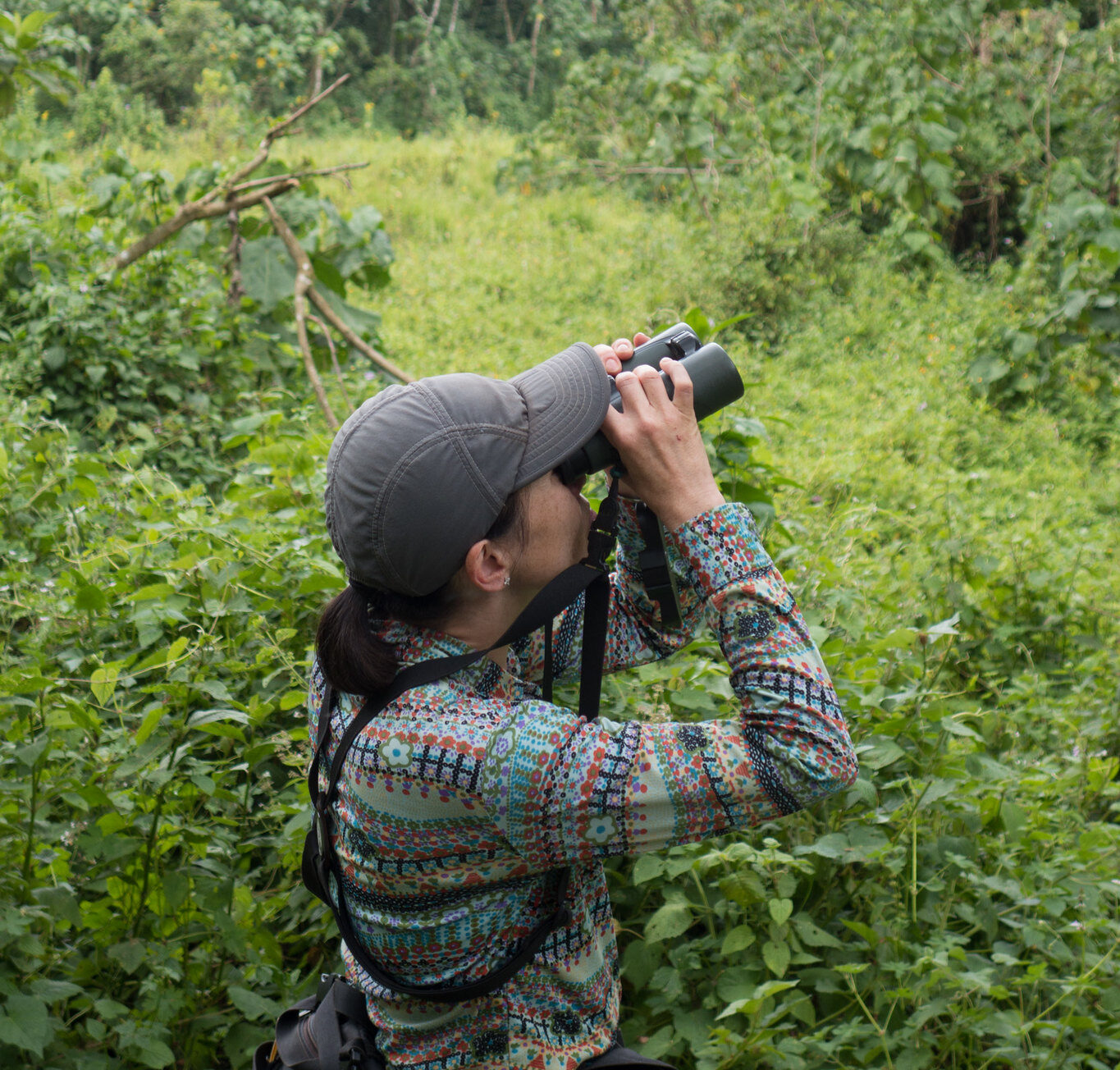
Bwindi Impenetrable National Park is a paradise for birders, where it hosts over 90% of Albertine rift endemics and migratory bird species. Despite being a seasonal birder or a first-time birder, Bwindi National Park is a perfect destination for bird adventures. Bird watching in Bwindi involves sighting the 23 Albertine rift endemics, namely, the African Green Broadbill, Shelley’s Crimsonwing, Rwenzori Turaco, Blue-headed Sunbird, Grauer’s Warbler, and others.
The most known sector for birding in Bwindi National Park is the Ruhija sector. It offers incredible insights into the different bird species, which also include the migratory birds, for example, the Woodland Kingfisher and the Black-bee-eater, among others. The birds can be spotted along the forest trail, like the Mubwindi Swamp Trail, Buhoma Waterfall Trail, and Ivy River Trail, among others. The best time for birding in Bwindi is during the dry season between the months of December and February and from June to August; here, forest trails are less muddy and slippery, and the skies are clear for photography.
Guided nature walks or forest walks in Bwindi
If tourists are highly interested in nature safaris. These guided forest or nature walks are perfect for experiencing the diverse ecosystem of the ancient Bwindi rainforest. Nature walks are an amazing adventure that is carried out on foot with a trained guide or ranger that leads you through the thick forest. These walks can be carried out in all the four sectors, but most of them start in the Buhoma sector. Among the popular forest walks are the Munyaga Waterfall trail, Rushura Hill trail, Mubwindi Swamp trail, and Bamboo trail, among others.
Batwa cultural experience
Besides gorilla trekking, tourists are able to visit the indigenous people of the forest with a unique traditional way of living. The Batwa people are also known as the forest dwellers. They are known for being hunters and gatherers from the Great Lakes region of Central Africa. The Batwa and Bakiga tribes are among the oldest tribes in Uganda, with a limited number of people. Before being evicted, they permanently lived in the forest, depending on the flora and fauna. Later when the park was gazetted, they were evicted and decided to leave along the borders of the forest.
After the various challenges they went through in their livelihoods, they now have recognized their unique cultural practices like storytelling, hunting techniques, local food preparation, singing, and dancing, which have attracted more tourists to engage in the traditional skills.
Mountain Biking Adventures in Bwindi
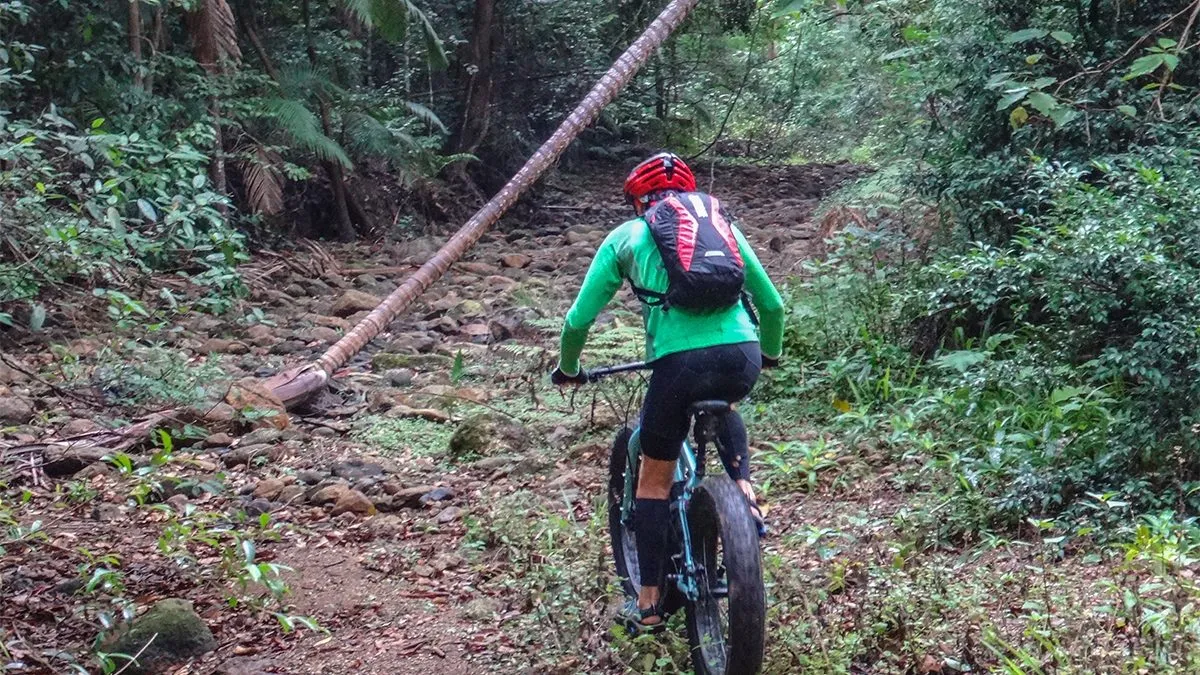
The mountain biking adventures in Bwindi Impenetrable National Park are organized by “Ride 4 a Woman,” where this activity was established to support young children and communities. The biking adventure takes about 14 kilometers and enables you to spot various creatures like the bush pigs, duikers, monkeys, and chimpanzees, among others.
Through the biking safari, tourists visit the local people, namely the Batwa and the Bakiga, where they learn about their survival skills and culture. Tourists should ensure safety before participating in the biking adventure by wearing the right gear, like a mountain biking helmet, gloves, shoes, and sunglasses to prevent insects from flying into your eyes; hiring local guides to lead you through the forest trails; and carrying drinking water and insect repellent to avoid insect bites.
Butterfly and insect exploration
Bwindi National Park is a paradise for over 200 butterfly species. With 42 Albertine rift endemics. The various butterfly species that are seen along the forest trails include the cream-banded swallowtail, the African giant swallowtail, and other notable species. Some of the insects found in Bwindi include beetles, termites, and ants, among others. These help in the pollination of flowers and also play a crucial role in the protein diet of the mountain gorillas.
Camping and backpacking
Camping is an adventurous activity that brings tourists close to nature. It offers a breathtaking experience in the dense, thick rainforest. It involves resting under bandanas and tents with the cool temperatures in the night. Camping within the forest is highly prohibited because of the safety measures and conservation measures. There are various camping sites in the different sectors: Buhoma, Ruhija, Rushaga, and Nkuringo. These camping sites are favorable for budget and backpack travelers. Among the camping sites are Buhoma Community Rest Camp, Bwindi Backpackers Lodge, Ruhija Community Rest Camp, and others. The essential gear for camping in Bwindi includes insect repellents to prevent insect bites, a headlamp or a torch, toiletries, hiking boots, a power bank for phone charging, and energized snacks, among others.
Best time to explore Bwindi activities
Bwindi National Park experiences a tropical climate where the weather patterns vary yearly. The best time to experience Bwindi activities is during the dry season between the months of June and August and from December to February because the rains are fewer, the sky is clear for incredible photos, and the forest grounds are less muddy and slippery. Whereas in the rainy season between the months of March and May and from September to November, the rain is heavy, making it difficult to navigate through the thick forest. The forest trails are muddy and slippery, and there is less cognition. Some tourists prefer this season for their adventurous safaris because accommodation facilities are discounted.
In conclusion
Beyond gorilla trekking, the various activities offered in Bwindi National Park require fully preparing and planning for the adventure early to prevent any disturbances. These activities explore the true depth of Bwindi Impenetrable National Park.