Why Visit Bwindi National Park? Top Attractions & Experiences.
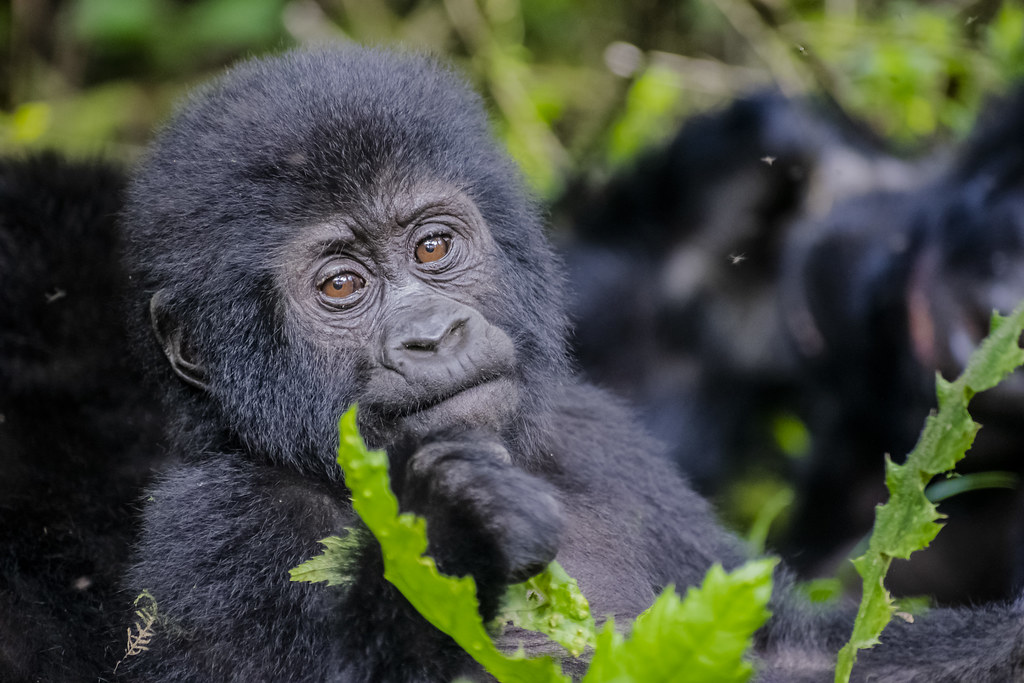
Top reasons to visit Bwindi National Park: Bwindi Impenetrable National Park lies in the southwestern part of Uganda on the edge of the rift valley. The park has dense tropical rainforests with misty landscapes and rugged terrain. The park sits on 331 square kilometers. The park is most famous for mountain gorillas and provides shelter to other mammals like primates, elephants, and different bird species. There are various reasons to visit Bwindi National Park.
Gorilla habituation Experience
Besides gorilla trekking, Bwindi offers a gorilla habituation experience to lucky visitors who observe the endangered species. Gorilla habituation experience is the process of introducing mountain gorillas to human presence. The habituation takes about 5 years. During the habituation experience, only four people are allowed to see the gorillas since they are only two habituated gorilla families.
Bird-watching experience
Bwindi is a home to different bird species and has different bird trails with diverse bird species. The birdwatching experience occurs through the dense evergreen forest. Some of the bird species in Bwindi include the African Green Broadbill, Grauer’s Rush Warbler, White-bellied Robin Chat, Mountain Masked Apalis, Black-headed Waxbill, Yellow-eyed Black Flycatcher, Bar-tailed Trogon, Red-faced Woodland Warbler, Great Blue Turaco, and African Broadbill, among others. Birding safaris offer a great experience since there are different bird trails. The different bird trails include the Buhoma waterfall trail and the Mubwindi swamp trail.
Nature walks in Bwindi
Besides gorilla trekking and bird watching, Bwindi Impenetrable National Park offers nature walk adventures. The nature walking safaris often include touring the local communities and the different people in the park, which include the Bakiga and the Batwa people. Through these walks, tourists are also able to see the landscape of Bwindi and the different plant species in Bwindi, which include ferns, mosses, and large trees.
Gorilla trekking experience
Gorilla trekking gives tourists an opportunity to see the endangered species in their habitats. A maximum of eight people are formed in a group to carry out the trekking activities. Visitors are given one hour to spend with the gorillas, making the experience more unique and adventurous. For gorilla trekking to take place, tourists are required to purchase permits that allow them to access the park for the trekking experience. These permits can be obtained from different trusted tour operators. The permits range from $800 to $600.
Lake Bunyonyi and Lake Mutanda experience
Besides enjoying the adventure of gorilla trekking and gorilla habituation, Bwindi offers the view of these great lakes since they are just a few kilometers from the trekking points. These lakes offer tremendous activities like swimming, canoeing, hiking, and boat cruises. They also offer low-cost accommodation with a traditional touch and luxury lodges as well as craft shops.
Cultural experiences
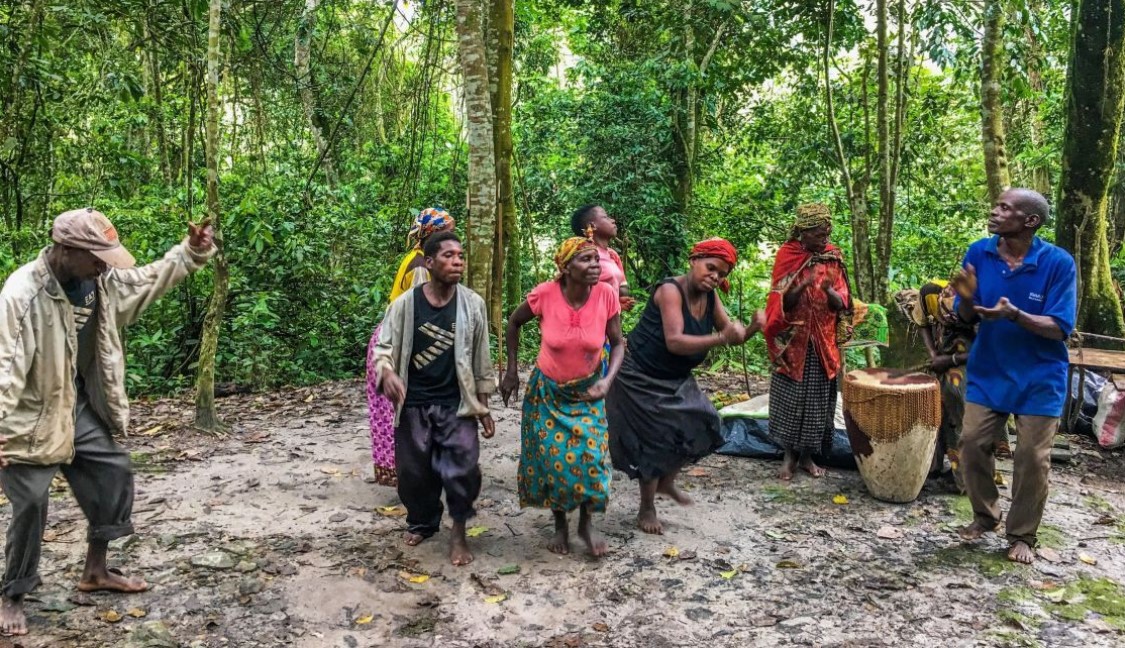
Through the nature walks, tourists discover the surrounding local communities with different local people. The communities consist of the Bakiga and Bafumbira, including the Batwa hunters. These communities offer different cultural experiences such as dance performances, local food preparation, local handcraft making, banana beer brewing, and traditional healing. People in these communities rely on the gorilla permits that bring in money to develop their communities and promote conservation around the park.
Hiking experience
Hiking is another activity that is carried out in Bwindi National Park. Different trails are used during the hikes, and these hikes take about 4 to 7 hours and are also carried out by experienced tour guides. Hikes are more suitable during the dry season to enjoy the breathtaking forest.
Gorilla trekking is a wildlife conservation safari. It enables tourists to observe the mountain gorillas in their natural habitats.
Best time for photography in Bwindi
When tourists on a Uganda safari are intending to take photos, there are different rules to keep in mind, and they include the use of flashless cameras, which are not allowed when photographing the gorillas. This is because mountain gorillas get uncomfortable and agitated by the flashlights. These flashlights may provoke an aggressive reaction, which may easily make the gorillas charge at the person while taking the photos.
During photography sessions, tourists are advised to carry extra batteries or charge their batteries fully. Visitors are also recommended to carry waterproof bags since the rains in the forest are unpredictable. It is also advisable to carry two cameras, as mountain gorillas are always moving around, making it difficult to change lenses. For tourists that are photographers, they should move with fixed focal length, angle length, and zoom length for good pictures.
Gorilla photography is not charged; charges are only on the gorilla trekking permits and gorilla habituation permits. During habituation of gorillas, tourists are allowed to spend one hour with the gorilla, creating a greater opportunity to take photos.
When taking gorilla photographs, you are advised to follow the rules and regulations issued by the park guides or rangers. Tourists are encouraged to keep a 7-meter distance away from the gorillas. Avoiding eye contact and avoiding standing taller than the mountain gorillas. Tourists who would love to spend more hours with gorillas are encouraged to carry out gorilla habituation, while for trekking it is strictly a one-hour encounter with the gorillas. The mountain gorillas are gentle and easy to take pictures with compared to other primates. Habituated mountain gorillas allow tourists to get closer to them compared to any other primates.
Mountain gorilla photography can be done at any time of the year or trek. It is more favorable for clear pictures during the dry seasons that are June to September and December to February when the vegetation is less thick and misty.
Conclusion
Bwindi Impenetrable National Park offers an extraordinary wildlife experience, breathtaking landscapes, and cultural experiences. For photographers, it is an opportunity to document the giant endangered species and the rare forest birds while experiencing the thick, misty rainforest.