Hidden Facts About Bwindi Impenetrable National Park.
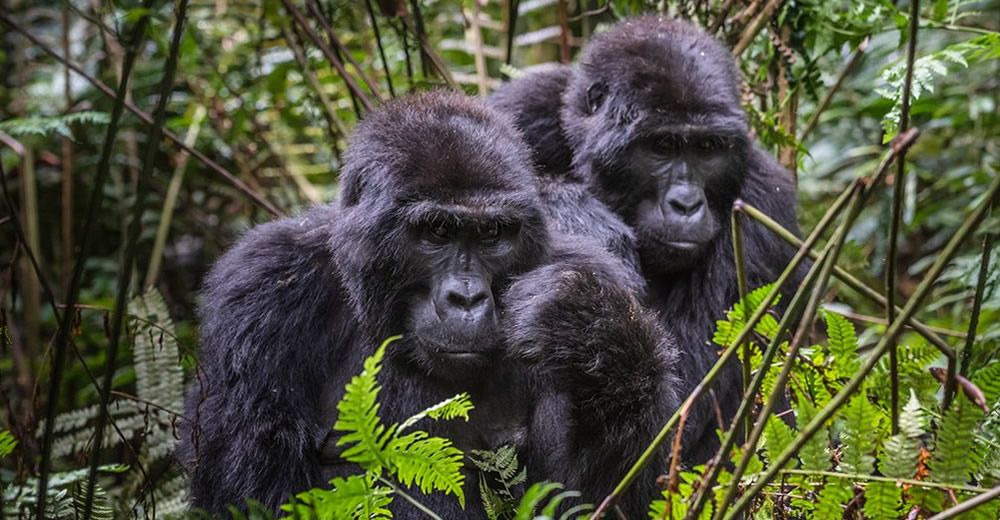
Things Most Visitors Don’t Know About Bwindi: Bwindi Impenetrable National Park, located in southwestern Uganda, is a UNESCO World Heritage site spanning 321 square kilometers in the western arm of the rift valley. It borders the Democratic Republic of Congo near the Virunga Volcanoes. It is located in the districts of Kanungu, Kisoro, and Kabale. Bwindi has a rich biodiversity comprising 120 mammal species, 350 bird species with 23 in the Albertine Rift Valley, 300 butterfly species, 104 fern species, and over 1,000 flowering plants. It is a home to half of the world’s endangered species.
Ancient Origins of the Forest.
Bwindi Impenetrable National Park is said to have lived for over 25,000 years, meaning that it has survived the Ice Age because of its oldest rainforest. Bwindi is nestled in the western arm of the rift valley with deep valleys and high altitudes that range from 1,160 m to 2,607 m above sea level. During the Ice Age, as many forests disappeared, Bwindi survived because it experienced heavy rainfall patterns, enabling the survival of the vegetation. What makes Bwindi “impenetrable” is the thick, dense rainforest; steep, rugged terrain; and dense undergrowth comprising ferns and orchids.
Due to Bwindi surviving the Ice Age, it has created a unique ecosystem with various plant and animal species. The forest includes flowering plants, medicinal plants, undergrowth, and different animal species like mammals, for example, duikers, colobus monkeys, and forest elephants, among others.
Bwindi is also known for hosting over 400 bird species, with 23 Albertine rift endemics and migratory species. It is a paradise for birders and recognized as one of Africa’s premier birding destinations. Some of the bird species in Bwindi include the African Green Broadbill, the Rwenzori Turaco, and Shelley’s Crimsonwing, among others.
It also consists of reptiles and amphibians like frogs and snakes and insects like termites and beetles, which contribute to the ecosystem of Bwindi National Park. Bwindi is a home to half of the world’s endangered species because it provides perfect conditions and the high altitude of the park for the survival of the mountain gorillas. The gorillas play a crucial role in the ecosystems and conservation strategies in the park. While tourists carry out the trekking sessions, they are able to observe the mountain gorillas as they groom their infants and how they interact with each other, providing a stunning experience.
Unseen biodiversity
Bwindi Impenetrable National Park is a tropical rainforest that experiences two rainfall seasons and two dry seasons. The forest comprises Afromontane vegetation and tropical lowland vegetation with some bamboo forests. The ancient forest has many plant species, including more than 200 tree species with canopy trees and undergrowth, 100 fern species, and over 104 orchid species found within the forest. It has rare plant species that are found nowhere else in the world, which include Ficalhoa laurifolia, Strombosia schefflera, and others.
The fauna beyond the mountain gorillas includes chimpanzees, with 400 species, and mammals like forest elephants, buffaloes, giant forest hogs, and duikers, among others. Reptiles like frogs and chameleons, among others. Primates, which include the black and white colobus monkeys, L’Hoest’s monkeys, and red-tailed monkeys.
Besides the unique bird species that are the Albertine rift endemics, rare bird species include the Black Kite, Common Cuckoo, Barn Swallow, and African Paradise Flycatcher, among others.
The Batwa People’s forgotten story
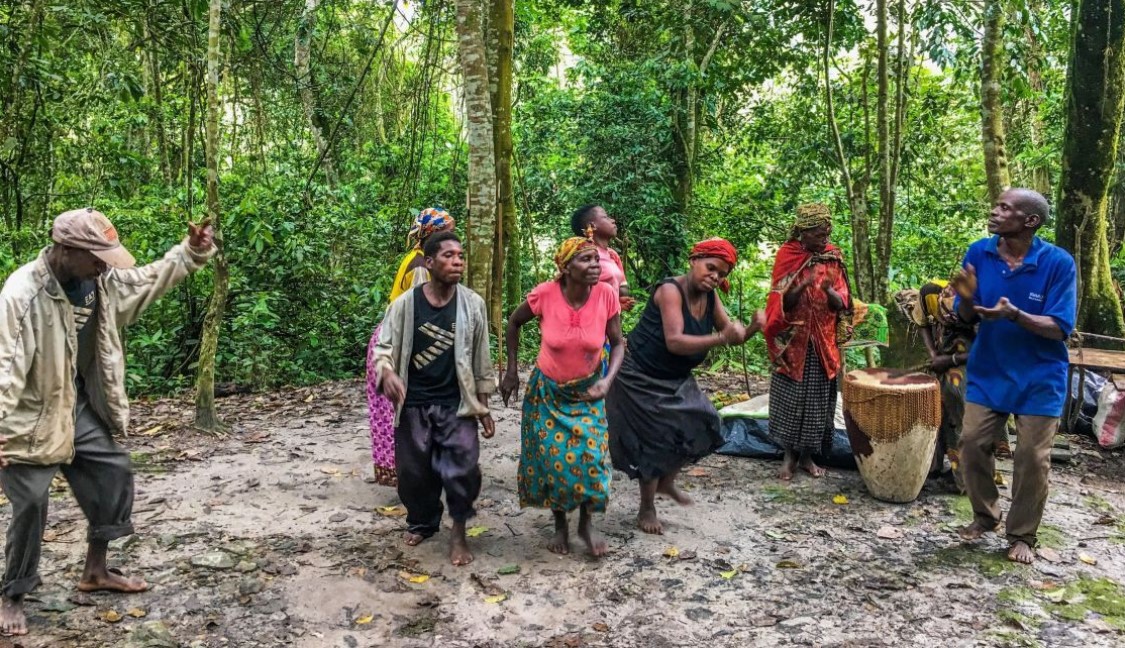
The Batwa people, as the original forest dwellers in the Bwindi rainforest, are also known as the “forest keepers.” They are the indigenous local group of people that live in peace and harmony, depending on and surviving on the forest. In the past years, the Batwa people lived within the forest before being evicted due to conservation strategies. These people had a deep connection with the forest since they used to hunt for small animals for meat consumption and gather fruits; medicinal plants to treat illnesses; and burial and spiritual grounds.
These people have a unique culture depending on their history and ancient traditions. But after being evicted from the forest, the Batwa were left with no ancestral grounds, and they lost their land because the park was gazetted to protect the ecosystem of the forest and the mountain gorillas that attracted many tourists from different countries. After leaving the park premises, unfortunately, these people were not compensated for their land, leaving them landless, resulting in high rates of poverty.
Despite the challenges these people faced, the Batwa have preserved their culture and tradition through storytelling, traditional dances and music, and their hunting techniques that are passed on to future generations through Batwa tours and community tours where you learn about the history of these people.
Hidden Water Systems
Bwindi National Park acts as a water catchment area for most flowing rivers like River Ivy and River Ishasha that provide water for the surrounding communities in Bwindi. The thick vegetation prevents flooding of the swamps and rivers, prevents soil erosion, and regulates streamflow. It acts as a protective buffer and maintains water availability, especially during the dry season. The hidden waterfalls include the Munyaga waterfall trail, the Ivy River Trail, the Kashasha River Trail, and Munoni waterfall, among others.
Conservation behind the scenes
Conservation strategies have been emphasized in Bwindi National Park to protect the mountain gorillas and also ensure their survival for future generations. These strategies are put in place by the Uganda Wildlife Authority, which is responsible for all national parks in Uganda, local communities, international organizations that fund and advocate policies, and others. The conservation strategies include hiring rangers and guides who patrol the jungle to prevent any illegal activities like logging, poaching, and habitat destruction.
Emphasizing community programs through providing conservation knowledge to the local people to avoid depending on the natural resources of the forest and avoid seeing the mountain gorillas as a threat. This is done by emphasizing community initiatives, cultural tourism programs, and sustainable agriculture, among others.
Hiring anti-poaching patrols that conduct regular patrols to locate any snares that are set to trap small mammals but end up injuring the mountain gorillas. They help in the removal of traps in the jungle and also ensure the safety of the wildlife in the forest.
Encouraging research that improves on the conservation efforts. This is done through researchers studying the feeding behaviors, behaviors, and social interactions of these endangered species.
In conclusion
Bwindi Impenetrable National Park has an ancient rainforest that comprises various flora and fauna. If you want to explore the breathtaking jungle in Bwindi, you can plan your adventure through a well-trusted travel company that will provide you with thrilling encounters with the ecosystem of Bwindi.