Understanding Bwindi Forest Eco system: Wildlife and Plants.
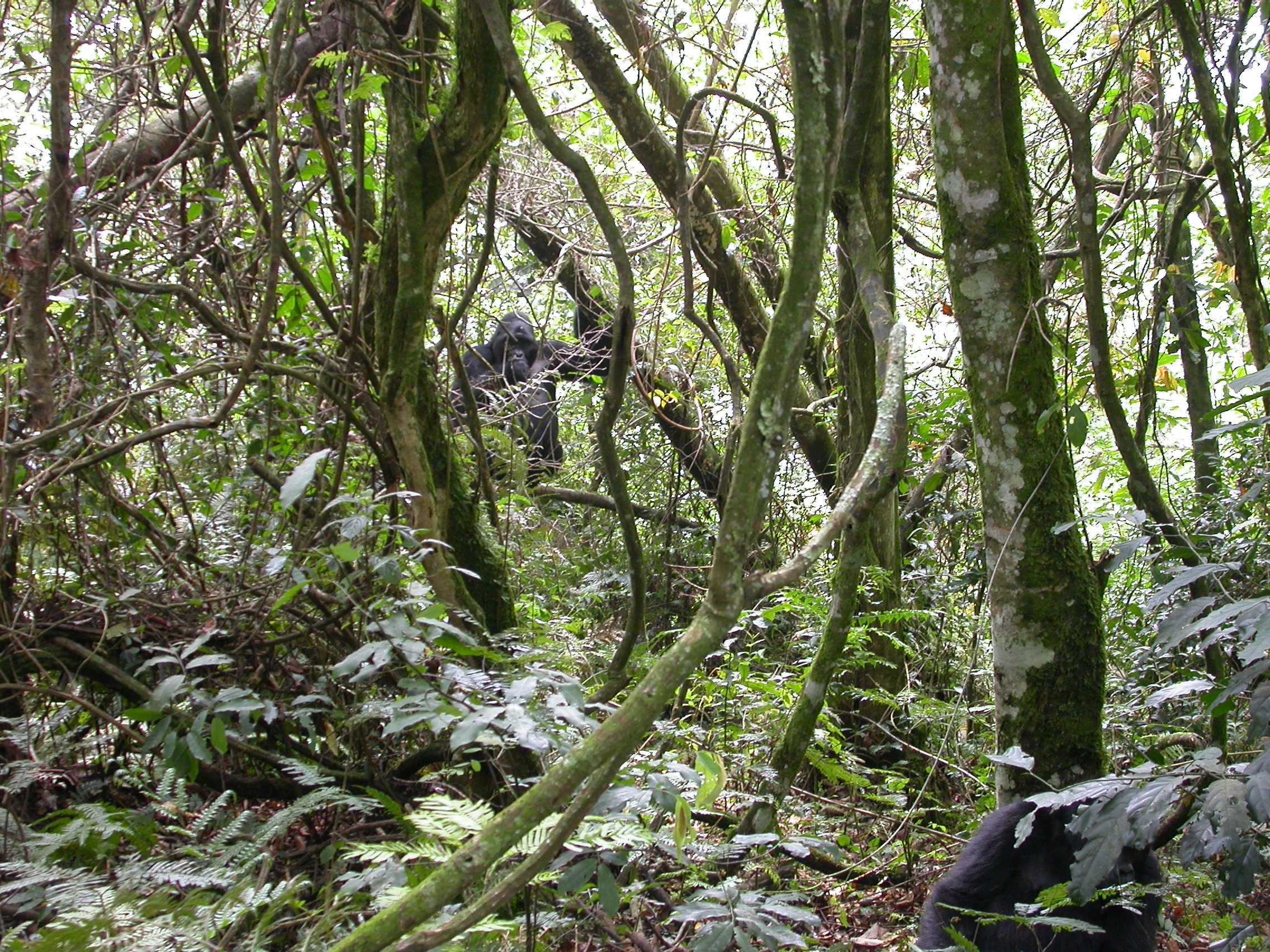
Bwindi Forest Ecosystem Explained: Bwindi Impenetrable National Park, located in the southwestern part of Uganda, is a UNESCO World Heritage site. The forest covers over 321 square kilometers with a diverse biodiversity. It has unique flora and fauna, harboring over 400 mountain gorillas, 200 butterfly species, 365 bird species with 23 Albertine rift endemics, and over 1,000 plant species. Bwindi National Park is home to half of the world’s endangered species, and the main tourism activity is gorilla trekking. Bwindi contributes to the global biodiversity conservation measures, making it known worldwide. It is a home to various wildlife, like primates, namely forest elephants, monkeys, and chimpanzees, among others. Bwindi Forest plays an important role in supporting the tourism industry in Uganda by attracting tourists worldwide to visit the park for various activities like birdwatching, gorilla trekking, and gorilla habituation, among others.
Geographical Features of Bwindi national park
Bwindi Impenetrable National Park, located in the western arm of the rift valley, has a rugged and steep terrain. It has narrow valleys with flowing rivers with an altitude of about 1,190 to 2,607 m above sea level. The highest elevation in the park is found at Rwamunyonyi Hill in the Ruhija sector, and the lowest elevation is found in the Buhoma sector. The water is a water catchment area for most flowing rivers, and some of the rivers include the River Ivy and Munyanga. Bwindi Forest is a UNESCO World Heritage site with various vegetation types, like lowland forest, montane forest, and bamboo forest. The forest is characterized by thick undergrowth and dense canopies like the tall trees, ferns, and shrubs, among others.
Bwindi Impenetrable National Park experiences a tropical climate with varying temperature ranges and humidity. It experiences two rainfall seasons, like the dry and wet seasons, throughout the year. The annual temperatures range from 8 to 15 degrees Celsius minimum, and maximum temperatures range from 20 to 28 degrees Celsius. The rainfall seasons of the park that run from the months of March to May and from September to November range from 1,500 m to 2,000 mm per year. The dry seasons are in the months of June to August and from December to February. During the nights, the temperatures are cool, especially in the dry season with cold mornings.
In Bwindi National Park, the best time for carrying out tourism activities like gorilla trekking is in the dry season because forest grounds are considered to be less slippery and muddy. Bwindi National Forest has red loam soils that are moderately acidic, enabling the survival of plant life. The soils are highly leached due to erosional factors like the steep terrain of the park, resulting in the washing away of some soils.
Forest structure and Vegetation of Bwindi
Bwindi Forest is known for having various vegetation types like riverine and alpine forest, lowland forest, montane forest, and bamboo forest. It is characterized by high canopies and thick undergrowth. Among the trees are canopy trees that provide hardwood with thick and dense branches. Some of the trees grow to a height of about 50 m tall, like the mahogany tree that acts as a shed, provides food, and regulates the forest temperatures. Some of these canopy trees provide trees for the wildlife, like the birds and primates, boosting the ecosystem of Bwindi.
Underground growth, including ferns, shrubs, orchids, and mosses that grow underneath the forest canopies, is used for various functions. Some are medicinal plants, some climb other trees for support and sunlight, and some of these plants are food to the mammals and birds.
Bamboo vegetation found in some parts of the park plays a crucial role in the food diet of the mountain gorillas and is a habitat for some wildlife animals. The bamboo trees provide the succulent foliage for the endangered species and are dominant in Bwindi’s ecosystem.
Among the dominant plant species in Bwindi are medicinal and indigenous plants. These plants are used by the local communities to treat and heal various diseases. They use the leaves, branches, stems, bark, and roots to treat diseases like diarrhea, fever, stomach issues, and colds, among others. This has also played an important role in the biodiversity of Bwindi.
Biodiversity of Bwindi national park
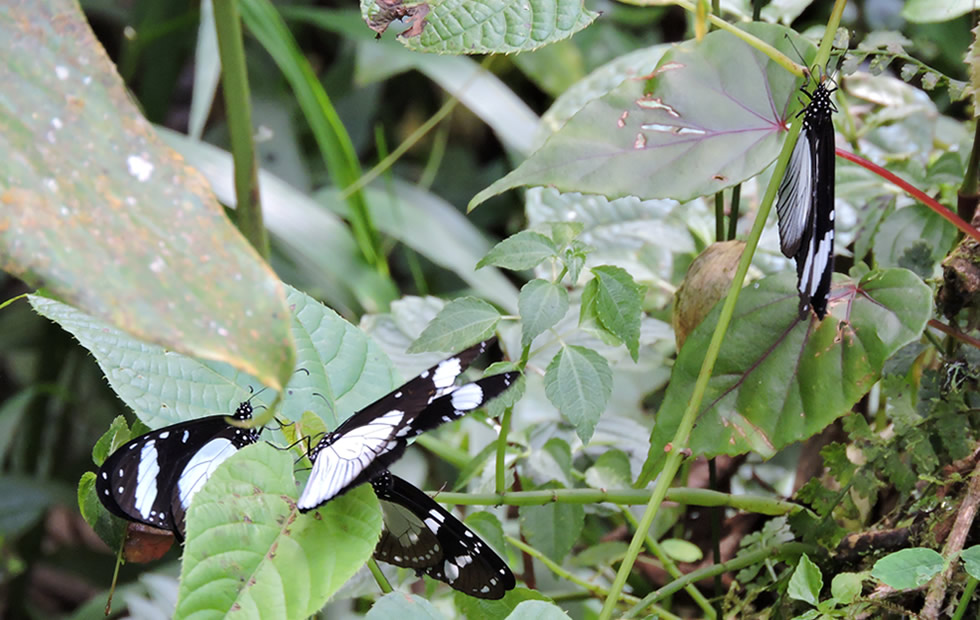
Bwindi National Park’s biodiversity is unique compared to all other parks. The flora is mainly comprised of the montane and lowland rainforests with an undergrowth of orchids, ferns, medicinal plants, and canopy trees, among others. The fauna comprises the mammals like mountain gorillas, forest elephants, forest buffaloes, duikers, bush pigs, and others. The bird species with 23 Albertine rift endemics, for example, are Rwenzori turacos and African green broadbills, among others. Butterfly species; reptiles like snakes, lizards, and chameleons; and amphibians like toads and frogs provide Bwindi with a rich biodiversity.
Human communities and the forest
There are different communities surrounding the park, including the Bakiga and the Batwa indigenous groups. The Batwa indigenous group, also known as the forest dwellers, were the true settlers of Bwindi Forest before they were evicted from the park premises. These people have a rich cultural lifestyle where they hunt and gather food for survival.
In case of diseases, the Batwa depend on the medicinal plants of the forest to cure the illnesses. They have various traditional activities that have attracted tourists to visit their communities, like local dances, songs, storytelling about their true origin, hunting skills, local food preparation, among others. The Batwa and the Bakiga have played a crucial role in supporting the ecosystem of Bwindi through acting as forest guides and rangers. These people live in harmony with the forest and the wildlife around the park.
Threats to the ecosystem of Bwindi
Bwindi Impenetrable Forest’s ecosystem faces a lot of threats, like deforestation, which is done by the local communities to fight for firewood for human consumption. The local communities have cut down trees for agricultural practices like crop production, resulting in the destruction of the ecosystem.
Poaching and illegal activities that have resulted in the death of the mammals, like the mountain gorillas. This is due to the high demand for meat consumption and the illegal trading of wild animal body parts.
Habitat loss and destruction through forest clearance were increasing in the local communities, resulting in the encroachment of the wildlife inhabitants. The competition for the natural resources between humans and wildlife has affected the ecosystem, resulting in illegal encroachment.
In conclusion
Bwindi Impenetrable National Forest’s ecosystem has a biological, cultural, and economic significance. It serves as a globally biodiverse conservation structure that ensures the safety of wildlife and the surrounding communities in the southwestern part of Uganda.