Bwindi Hiking Preparation Tips for Gorilla Trekkers | Uganda Safaris.
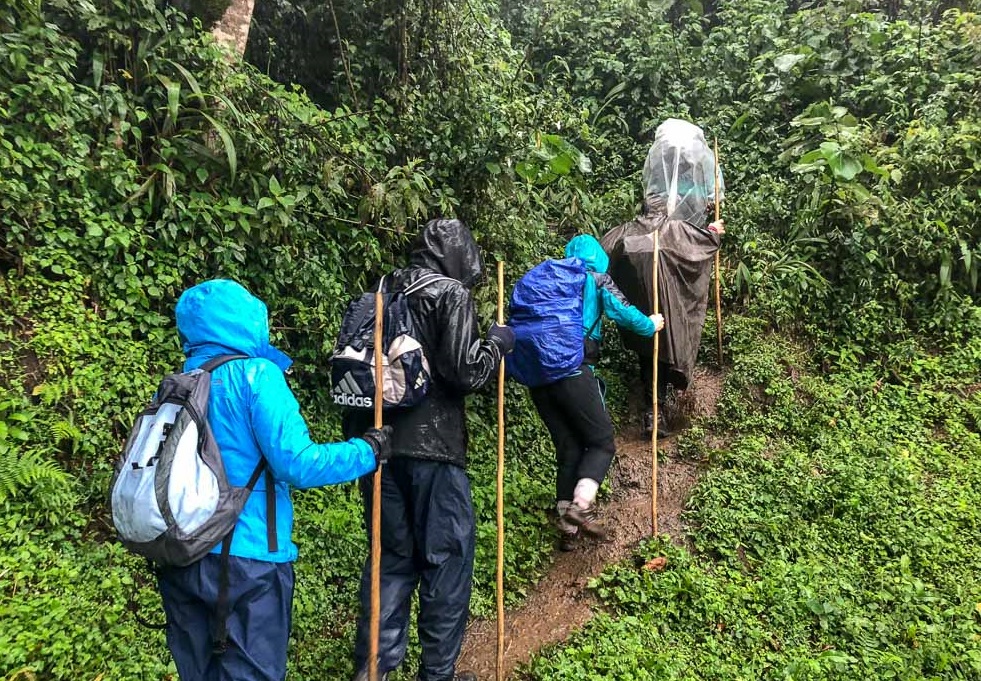
Fitness tips for hiking in Bwindi: Bwindi Impenetrable National Park is located in the southwestern part of Uganda, with an elevation ranging from 1,160 m to 2,607 m above sea level. The Bwindi rainforest on a Uganda safari is a misty, thick, dense forest with numerous rivers, narrow valleys, and steep hills. The hiking trails in Bwindi are challenging and are physically demanding due to the steep terrain. Fitness matters in the Bwindi Impenetrable hike because treks and nature walks last about 2 – 8 hours depending on the location of the mountain gorillas. The terrain is sometimes slippery and muddy, especially during the rainy season, increasing fatigue. The different hikes in Bwindi include gorilla trekking hikes and nature walk hikes, like the Mubwindi Swamp hike.
Pre-Hike Fitness Preparation
Before any hiking encounter, tourists are advised to first exercise cardiovascular activities like jogging, swimming, or running for about 30-60 minutes to improve the heart’s functions. Tourists are also encouraged to carry out medical checkups, for example, by taking the yellow fever vaccine, taking the antimalarial pills to prevent malaria, and vaccinating for COVID-19, among others.
Tourists to fully prepare for hiking in Bwindi should first schedule a training program that involves aerobic activities like running and cycling to build stamina for about 40 – 60 minutes.
Cardiovascular endurance training
This involves hiking for about 2 – 5 hours before beginning any tourism adventure. This is mostly done for challenging practices like gorilla trekking that involves climbing to high altitudes to track the mountain gorillas. The cardiovascular training activities involve climbing steep hills to gain stamina and leg strength, jogging for about 5 to 10 times a week to improve the health of the heart, and inclined walking, for example, climbing a hill.
Strength training for hiking
These are done to strengthen the muscles of the legs and the backbone. Strength training involves activities like step-ups, squats, and calf raises to improve stability on the steep terrain. It also involves push-ups and pull-ups to support the back. These strength trainings can be done 2 to 4 times a week, and before starting the training, warm-ups are first done. Core stability and balance training for hiking involves backpack carrying to strengthen the back and climbing high-altitude areas.
Flexibility and mobility for hiking
This focuses on stretching the hips, the lower back, and the calves during the steep hikes. The stretching schedule involves kneeling on one knee and pushing forward slightly to stretch the front of the hip, stretching the calves, and standing or lying down and crossing one ankle over the opposite knee to relieve hip tightness, opening up your chest by carrying heavy backpacks.
The other flexibility routine is carrying out yoga by navigating in the steep, slippery terrain, practicing evening yoga to open up the hips, and easing back tension. Preventing muscle tightening by performing hip circles and leg swings, rotating the ankles actively to prepare for the challenging terrain. During hiking in Bwindi, tourists should use hiking sticks for balance. When the hamstrings tighten, you should put one knee on a rock while keeping the leg straight.
Nutrition for hiking fitness in Bwindi
A well-balanced diet for hiking is essential in Bwindi Impenetrable National Park because it helps provide energy, enables the body to stay hydrated, helps in muscle recovery, among others. The nutrition requirements for hiking involve taking at least 2 to 3 litres of distilled water before the hiking session, during the hiking session and after to be full hydrated. Tourists should eat a light, energizing breakfast like honey, oats, or fruits and eat protein food since it is necessary for muscle recovery.
Altitude and climate adaptation for Bwindi hikes
Bwindi Impenetrable National Park is 1,160 m – 2,607 m above sea level. This makes the hiking encounters challenging due to the steep terrain and the tropical climate where rain is expected any time, making the forest trails slippery and muddy. The park experiences minimum temperatures between 7 and 15°C and maximum temperatures between 20 and 25°C.
The ancient rainforest has misty and lush vegetation cover mainly comprised of montane and tropical lowland vegetation. The favorable time to carry out the hiking sessions in Bwindi is during the dry season between the months of June and August and from December to February since the trails are less muddy.
Essential gear for hiking in Bwindi national park
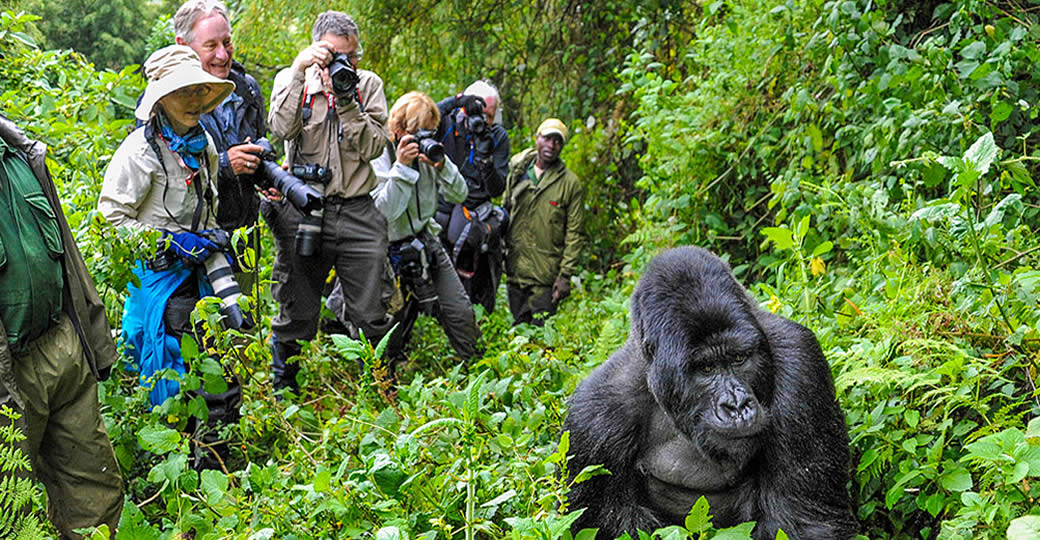
Before tourists participate in any hiking activity, they should ensure that they have the essential gear and are dressed properly for this encounter. This includes wearing long-sleeved dull-colored shirts and trousers to protect the body from any scratches; waterproof hiking boots with enough grip to allow them to navigate through the steep terrain; having garden gloves to increase your touch on branches; a walking stick for support; packing energized snacks and drinking water; and insect repellent to prevent insect bites, among others.
On the trail: fitness tips for hiking in Bwindi
Hiking through the steep terrain is challenging, and this requires some form of fitness to navigate through the thick, dense rainforest. The on-the-trail fitness tips involve hiring a porter to help out with the backpack luggage to reduce fatigue, using the hiking sticks for support, tourists walking at their own pace since hiking is not a competitive activity, and consuming drinking water so as the body stays hydrated.
Injury prevention and recovery
The common injuries that are got from hiking include blisters resulting from friction, ankle strains that are caused by the uneven terrain, knee pain, dehydration resulting from limited consumption of drinking water, sunburn caused when you do not apply sunscreen, fatigue by choosing long trails, and insect bites that are caused from wearing short clothes. The best way to prevent all these injuries is through exercising before any hiking adventure; tourists should pack fewer items to avoid heavy luggage, ensuring that the hiking boots fit properly and provide comfort, and having a keen eye while hiking through the forest trails to avoid falls.
In conclusion
Hiking in Bwindi impenetrable national park requires flexibility, cardiovascular fitness, leg strength, body balance and stability. Therefore for a successful hiking experience, tourists should choose the right gear and practice fitness activities to avoid injuries.