Who Are the Batwa? Uganda’s Indigenous Forest Community Explained.
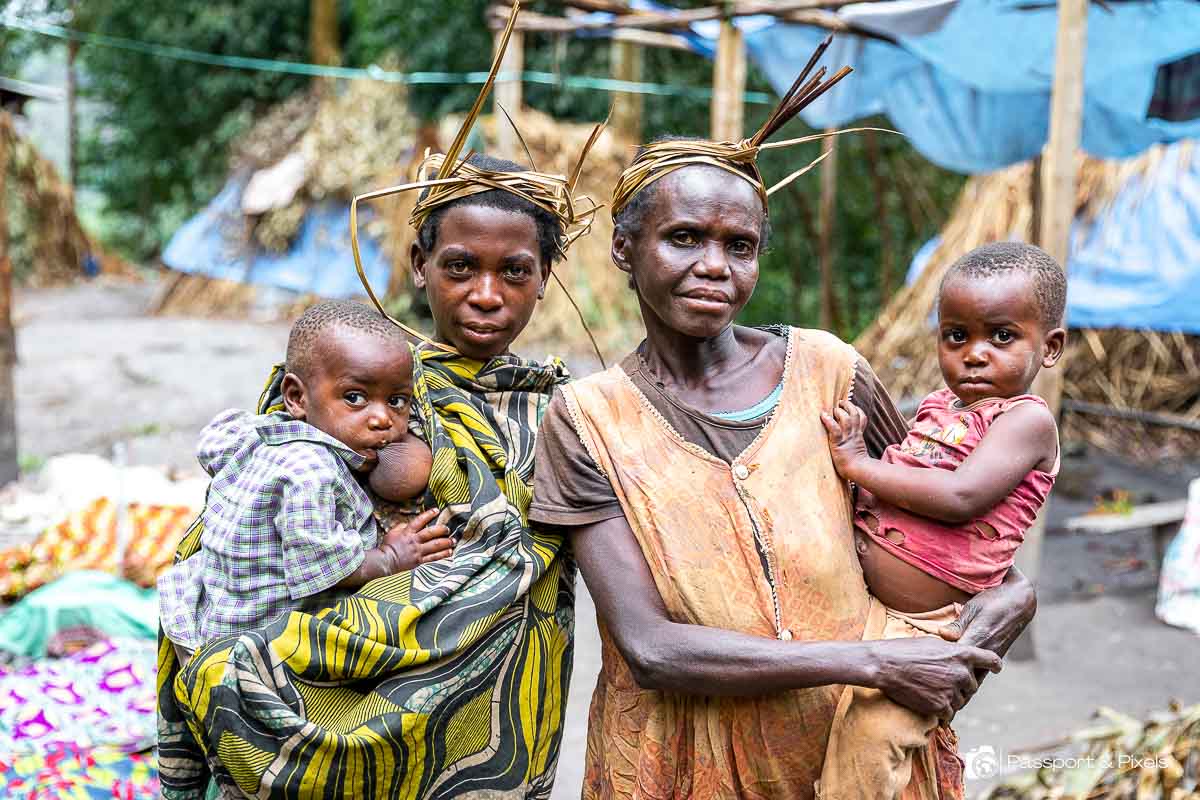
Batwa are also known as the “forest dwellers” who base themselves in Bwindi Impenetrable National Park and Mgahinga National Park. These were the original people of the ancient rainforest but later were evicted from the forest premises. These people had a strong connection with the forest since they depended on the forest for survival. They lived a peaceful and harmonious life where their home was the thick forest and their source of food was hunting down small mammals like the duikers and bush pigs, harvesting honey, and gathering wild plants like yams, among others. They used bows and arrows to hunt down animals.
In 1991, they were evicted from the forest premises due to conservation measures that were aimed at protecting the mountain gorillas since they were the main attractions in the park. Their displacement was heartbreaking since they were left with no land and ancestral grounds. Since they were not compensated for their land, the Batwa now look for survival skills through cultivation, working as tour guides, porters, lodge staff, and others. They live in small, congested houses where each family sleeps under the same roof.
Understanding Batwa culture
Batwa people are said to believe in a small god called Imaana who provides wealth, children, food, and protection. This chameleon was revered because it climbed the highest trees, and this made the Batwa believe that it could communicate with God.
At childbirth, the Batwa elders give the newborn baby a bow and arrow to indicate a sign of protection. The education services of these people were through young ones learning from their elders hunting skills, household activities, how they gather food, and more.
Among the elders, the Batwa people practiced monogamy since adultery was highly prohibited. Sometimes girls would be exchanged for goods, which is known as barter marriage. During the marriage ceremonies, girls were forced to face each other for recognition. If the woman was barren, the man was encouraged to get another lady so that he could get children.
The Batwa music and traditional dances played a crucial role since they were played at marriage ceremonies, ancestral rituals, and during a big harvest, among others. The dances were characterized by energetic movements and rhythmic styles that often mimicked animal movements or nature.
Why responsible visits matter
Responsible visits among the Batwa people matter because they’re always sensitive about their culture. They are humble, shy, and peaceful people who should not be looked at as tourist attractions. The visits matter because they protect the dignity and human rights of the people since they face threats, extreme poverty, and social marginalization. Tourists should avoid stereotypes since they have unique forest survival skills, a stressful history of displacement, and a way of preventing exploitation. Tourists should greatly support the works of the Batwa people through purchasing craft materials like earrings, among others.
These visits matter because the Batwa people are not tourist attractions; therefore, tourists should first request permission before taking any photographs.
Preparing for your visit to the Batwa people
If you are planning to visit the Batwa people in Bwindi, you will need to first know the settlement areas of these people. When you arrive at the park’s headquarters, a trained guide is hired to lead you to the Batwa villages. However, you should be cautious while exploring these people. Their traditional culture involves hunting skills, music, and dance performances; you will also learn how they build their shelters from locally available resources. While travelling to see these people, you should dress accordingly by wearing long-sleeved clothing that has dull colors like green or army green clothes to show respect in their communities.
The various things you should carry when visiting these people include hiking boots to help you navigate through the muddy forest trails, a rain jacket, garden gloves, insect repellents to prevent insect bites, and drinking water and snacks to stay hydrated.
During the visit with the Batwa people
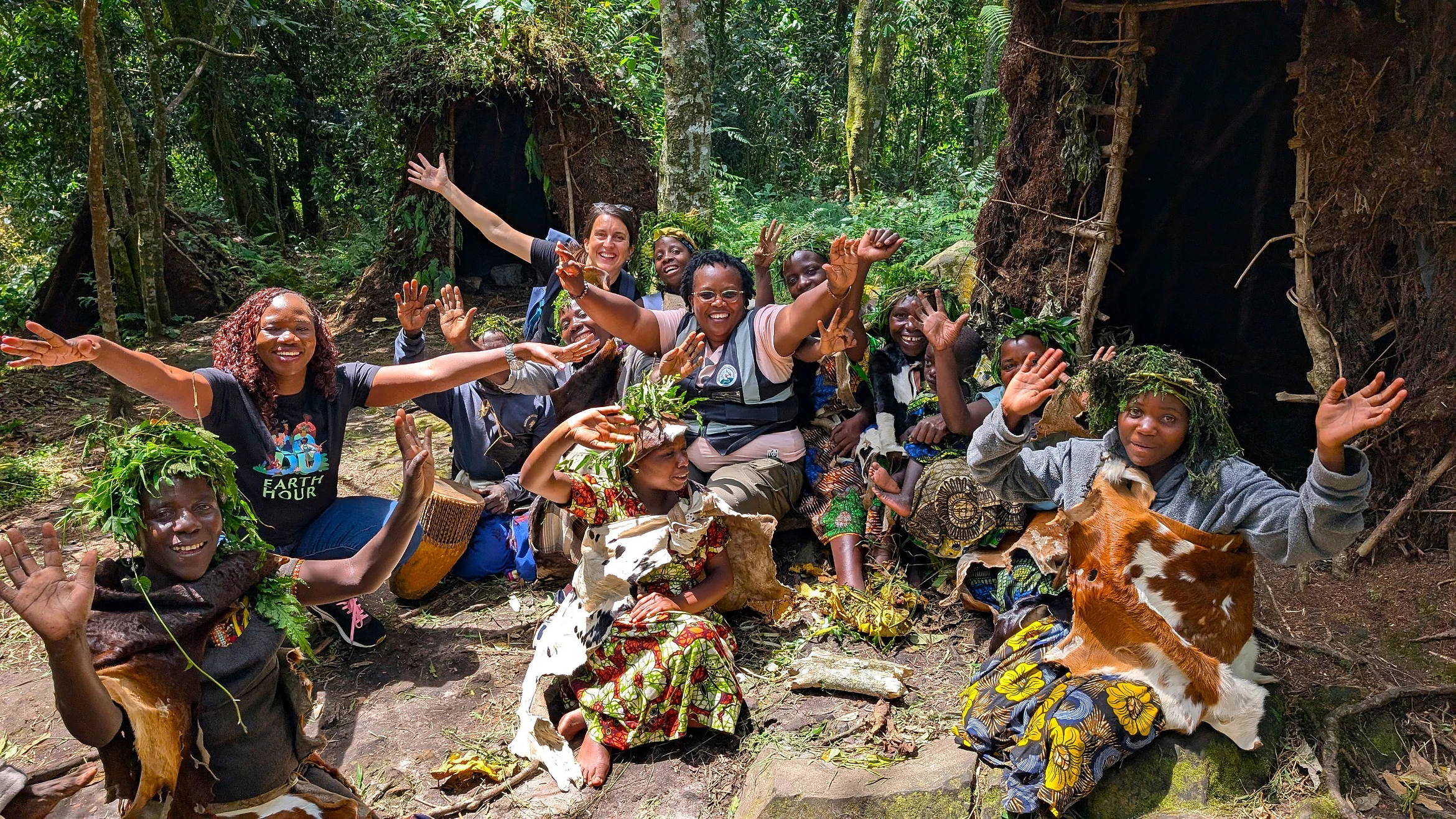
When visiting the Batwa people while on a Uganda safari, kindly respect them since they are culturally sensitive. A respectful interaction and engagement should be emphasized since these people are welcoming and peaceful. A simple handshake or nod is enough to show respect. While engaging with the Batwa, they will teach you their hunting techniques, how they prepare food locally, and storytelling, enabling you to discover the ancient history of these indigenous people.
If you are interested in taking pictures, kindly ask for permission, especially of young children. Since these people depend on tourism income, support their handiwork through purchasing crafts like baskets and jewelry, among others.
Challenges facing the Batwa people
Despite being the forest dwellers, the Batwa people, ever since they were evicted from the park, have faced various challenges due to their change of living, since they used to depend on the forest. Some the challenges faced by these people today include
- Land eviction since they lost their ancestral land. When Bwindi was gazetted, the Batwa were chased from their original homelands, resulting in displacement without land compensation.
- High rates of poverty because they have limited land to carry out agriculture and have limited skills to possess job opportunities. They often survive through providing cheap labor that cannot sustain their standards of living.
- High rates of illiteracy due to limited access to education services. Since the Batwa do not have funds that support their children’s school fees and supplies.
- Social discrimination from neighboring communities resulting in social exclusion and limited engagement in decision-making.
- Loss of cultural identity since they were forced to abandon their forest lifestyle, making their cultural heritage at high risk of being exploited.
Best time to visit the Batwa people
The Bwindi National Park can be accessed all year round. The best time to visit the Batwa people is during the dry season between the months of June and August and from December to February since roads are easily accessible and make hiking easier.
In conclusion
Visiting the Batwa people is a unique and rare opportunity that helps tourists connect with the traditional culture of the African people. The cultural visits show the interest in learning, supporting the livelihoods of these people, and respecting their cultural heritage.