How Humans Impact Gorillas in the Wild.
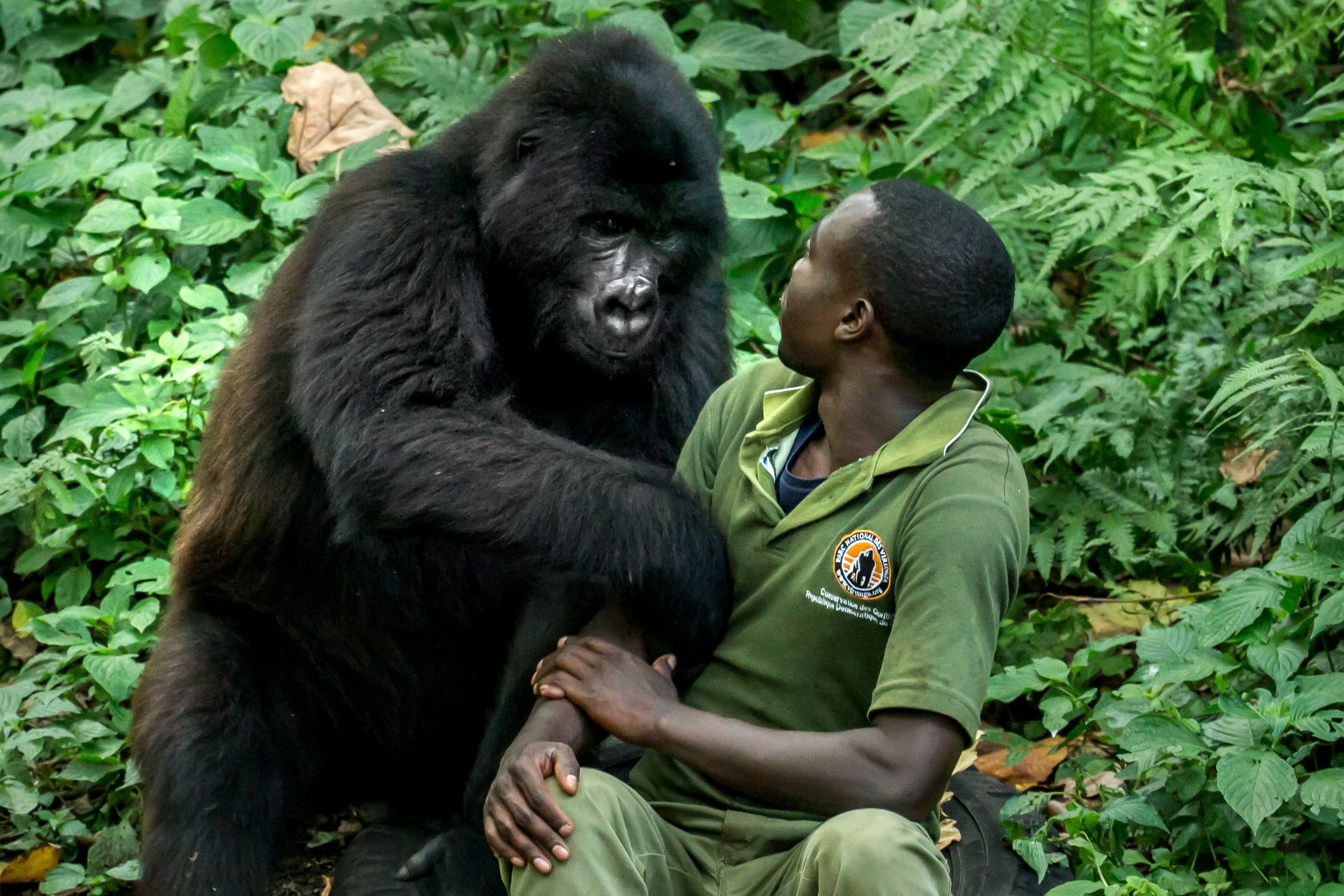
Do Humans Hurt Gorillas? Apart from the conservation efforts, mountain gorillas are the greatest primates that attract tourists. Despite early years of extinction due to human activities like poaching and human settlement, among others. The conservation efforts by humans have resulted in a rapid increase in their number. Bwindi Impenetrable National Park and Mgahinga National Park are the habitats for the mountain gorillas in Uganda. Before the last census for gorillas in 2018, it was said that they increased by 880 individuals.
In some parks, mountain gorillas are being hunted by some humans due to the following reasons:
- Mountain gorillas live in the thick forest where humans still believe in traditional methods. The gorillas are poached for traditional ceremonies or used by traditional healers who use various parts of the gorillas for magic or charm.
- They are hunted for food, especially by wealthy families, who consume gorilla meat for their meals. Local communities around the park consumed gorilla meat before conservation guidelines were put in place. Some sell gorilla meat to earn a living.
- Some gorillas are hunted down to be sold to wealthy families. This is done mostly on lowland gorillas since mountain gorillas have a short life span if removed from the wild.
- Ignorance among local people since they are illiterate and do not see the value of conserving mountain gorillas.
How can gorillas be protected?
Mountain gorillas are the largest primates and attract tourists. Through conserving mountain gorillas, gorilla trekking permits have played a crucial role in funding and sensitizing people and wildlife. Through protection measures, gorillas can be protected through the following ways:
Tourists should always keep a 7-meter distance from the mountain gorillas. This reduces the chances of diseases spreading from humans to gorillas.
During the trekking experience, tourists should avoid direct touching of the gorillas for reasons of feeling their skin or fur. Touching can also result in disease spread and can even irritate the gorillas, causing them to react.
Sensitizing conservation guidelines that protect both the gorillas and humans. Tourists should avoid littering in the park, and humans should avoid using snares to poach other animals, as it may result in killing or injuring the mountain gorillas.
Habitat protection, especially from local members that want vast land for agriculture and farming. Conservation guidelines should protect the jungle through reforestation by planting trees that were destroyed, hence providing shelter for the mountain gorillas.
Why are gorillas protected by the law
In Bwindi National Park, mountain gorillas are protected by the Uganda Wildlife Authority. These primates attract tourists all over the world who experience the different activities, like gorilla trekking and gorilla habituation, in the park. The law protects the gorillas because they are under threats of hunting, poaching, habitat destruction, and disease infection. The Uganda Wildlife Authority plays a crucial role in protecting these giants for conservation and preservation for future generations. The law protects the gorillas through the following ways:
Putting up anti-poaching measures: This is done through employing a number of ranger patrols in Bwindi and Mgahinga to prevent illegal activities like poaching. The use of technology in terms of cameras, which help monitor the gorilla movements.
The law negotiates with the local communities and border countries to address animal trafficking, hence protecting gorillas.
The law has focused on protecting and restoring the habitats of the gorillas. This is done through boundary enforcement by protecting the boundaries of the park and stopping illegal logging. It has also emphasized the number of tourists that visit the park, and this is through issuing limited permits per day for tourists.
The law has put up strict guidelines for visitors to reduce the spread of diseases. This is done by keeping a social distance of 7 meters from the gorillas, avoiding direct contact with the gorillas. The law has also monitored the health of the gorillas through hiring wildlife doctors.
The law has involved local communities in conserving and protecting the gorillas by improving on community development through funds generated from gorilla permits. Hiring local people to work has park rangers, guides, and porters, hence earning a living.
The law has enabled scientists to carry out research to manage the gorilla population and conservation efforts, and this is done by carrying out gorilla population censuses.
How do conservationist track gorillas
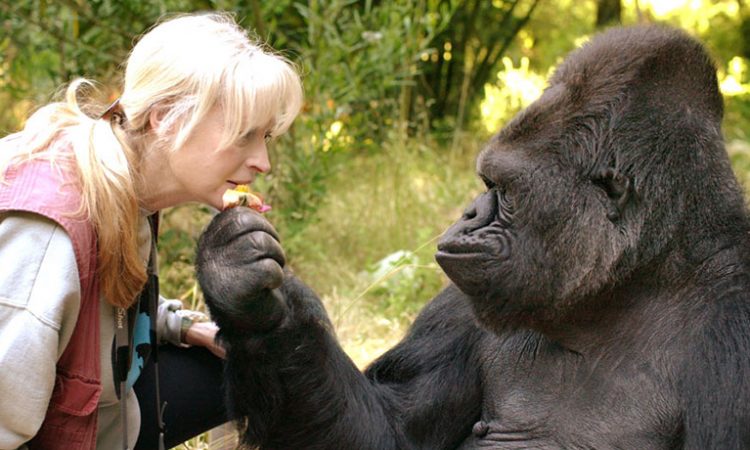
Tracking gorillas is the most challenging task in wildlife conservation. Gorillas inhabit the thick, dense rainforests, and their shelters are located in mist-thick vegetation, making it difficult to track them.
Conservationists track gorillas through understanding their behavior. This takes time since gorillas are creatures of habit, where they follow specific trails, shelters, and feeding spots, and these patterns help them determine where the gorillas are. In the forest, conservationists are able to track down gorillas through clues like footprints, which are large and can lead them to where gorillas are. Fresh nests that are built based on the bent branches and leaves, dropping through fresh dung.
Other ways conservationists track down gorillas are through drones and cameras, where technology is now advanced and here aerial images are shown. Use of trackers, which emit signals that help them locate the gorillas.
Conservationists track gorillas through teamwork where they use hand signals, whistles, and sounds that do not startle the gorillas. Sometimes gorillas are hard to find since they hide in the thick vegetation, making the tracking sessions difficult. Other difficulties include rain, which washes away the gorilla tracks; mist and fog in the thick vegetation; and trekking through difficult terrain, hence making the trackers have more patience to track down the gorillas.
In conclusion, conservationists track gorillas by following signs, like clues, for example, footprints and feeding points. Tracking may be challenging, but with patience and perseverance, conservationists are able to spot the gorillas.