Bwindi Birdwatching: Rare Albertine Rift Endemics.
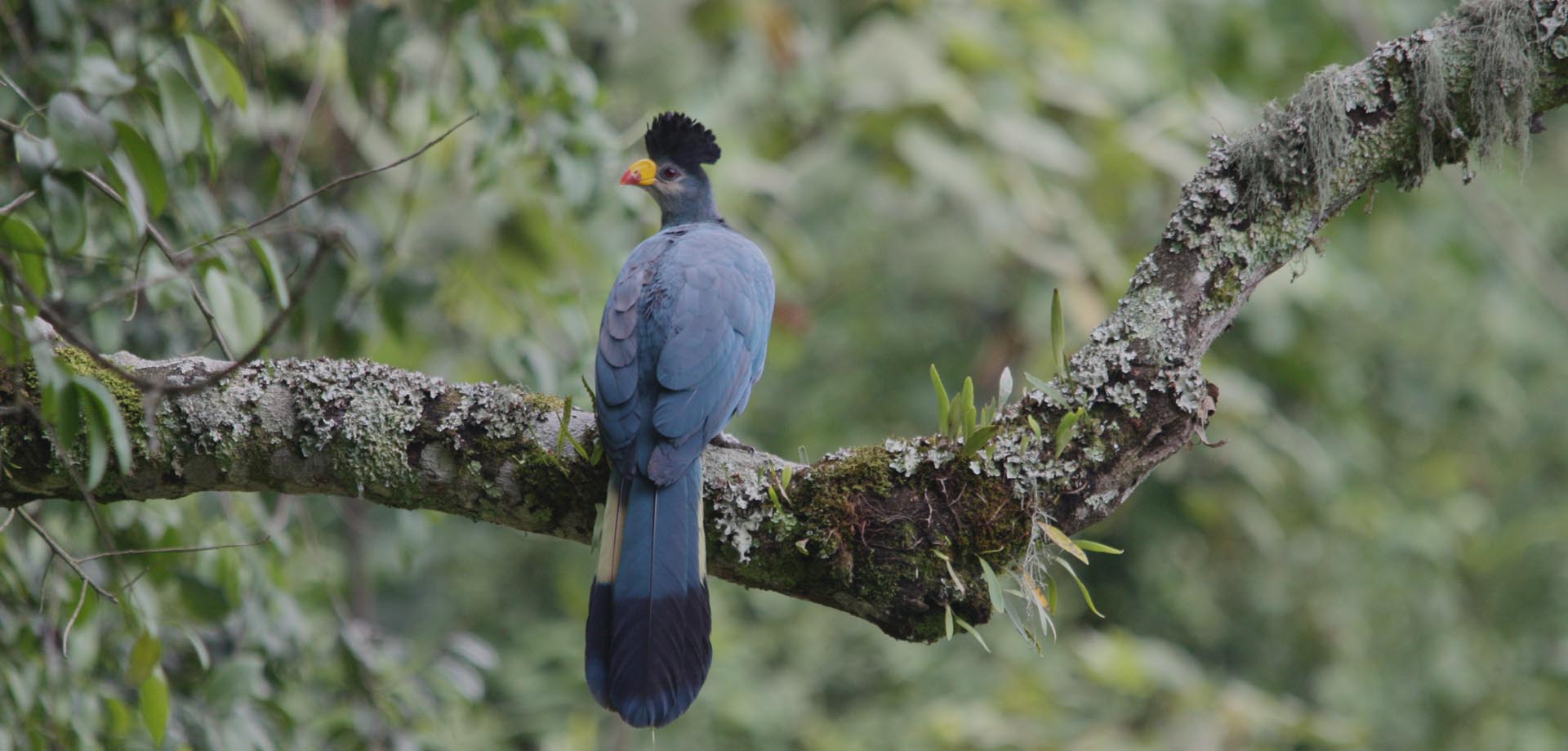
Birding in Bwindi National Park: Bwindi Impenetrable National Park is a UNESCO World Heritage site with montane and lowland vegetation. Bwindi is a birding destination with over 350 different bird species, including 23 Albertine Rift endemic species. The main spots for the bird species are the Mubwindi Swamp Trail and the Ruhija sector found in the east part of Bwindi. Bwindi is located in the Kigezi Highlands, the western part of the rift valley. It has the highest number of bird species, making it one of the top destinations for birding. The different bird species in Bwindi contribute to its biodiversity and ecosystem.
Understanding the Albertine Rift Ecosystem
The Albertine Rift is the western arm of the rift valley bordering the countries of Uganda, Rwanda, and the Democratic Republic of Congo. It proceeds from Lake Albert towards the end of Lake Tanganyika. The Albertine Rift has a lot of wildlife, including birds, mammals, and others. These birds, known as Albertine rift endemics, exclusively inhabit the Albertine Rift Valley. These bird species are not found in any country but only in Bwindi Impenetrable National Park.
The Albertine Rift endemic bird species are only found in this region because it is a combination of mountains and valleys formed due to tectonic forces. Bwindi, being an ancient forest for the past 25,000 years, serves as a sanctuary for these species’ survival. The mountainous scape of the Albertine Rift creates room for bird populations, resulting in different bird species.
Rare Albertine Rift Endemic Birds in Bwindi
These birds include
- African Green Broadbill
This species is also known as the Grauer’s broadbill. It has a bright green color with a blue throat and a small bill. It is a flycatcher, and it is mostly found in montane forests. It feeds on seeds, fruits, flowers, and flower buds. Its main threat is habitat destruction and deforestation.
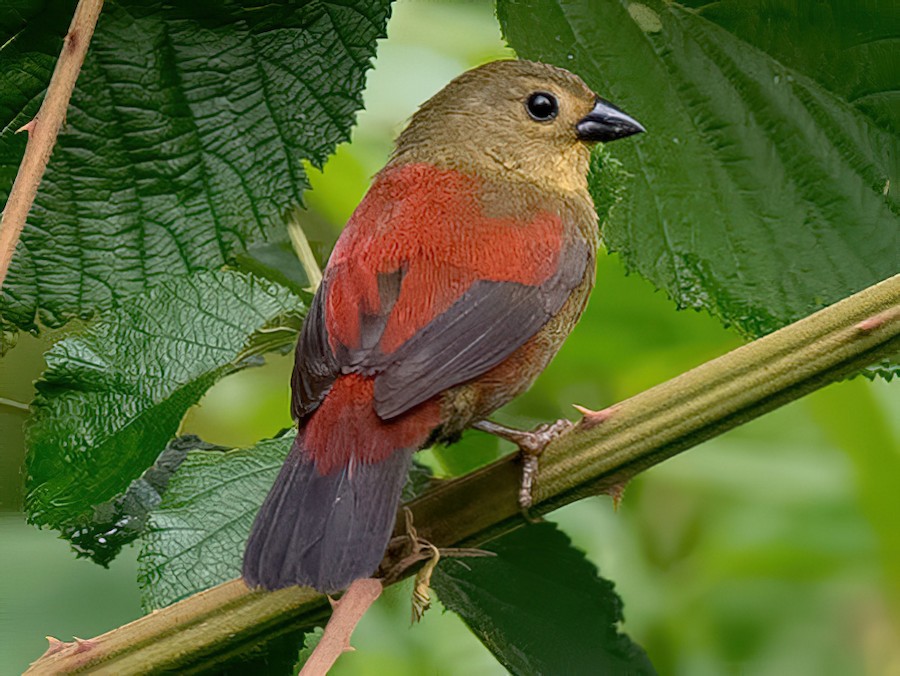
- Dusky Crimson-wing
It is an Albertine endemic bird found in the lush montane and bamboo vegetation. It is famous for the crimson wings, and nature lovers and photographers are more attracted to it. It survives in a cool, moist atmosphere. It mainly feeds on seed and also helps in seed dispersal.
- Dwarf Honeyguide
It is found in the dense montane forests and is known for its olive-brown plumage and small size. It feeds on bee wax and larvae. It is a silent bird, making it difficult to spot in the wild.
- Shelley’s wing
It is brightly colored, mostly found in the lowlands. It inhabits valley bottoms, moist closed canopies, and sometimes the undergrowth of forest edges. It is mostly sited in the Ruhija sector and has a high and sharp sound.
- Ruwenzori Batis
This is a small, active black-and-white bird. It inhabits the evergreen montane vegetation and is mostly found at altitudes between 1,300 and 3,300 m above sea level. It is a shy bird that always keeps in the hidden foliage.
Birding Hotspots for the Rare Albertine endemics
- Ruhija sector
This sector is known for bird lovers or birdwatching due to the various bird species spotted along the forest trails. The different hotspots for birding in this sector include the Mubwindi Swamp Trail, which takes about 4 to 5 hours to complete. It is commonly known for spotting birds like the African green broadbill, swamp warbler, and dwarf honeyguide, among others. The bamboo trail is known for spotting birds like the Rwenzori Nightjar and Dusky Crimsonwing. The Ruhija main trail is a feeding trail for various species like the Montane Masked Apalis.
- Buhoma sector
Located in the lowlands of the park in the north. The bird-spotting trails in the Buhoma sector include the Buhoma Waterfall trail and the Munyaga River trail.
- Nkuringo and Rushaga sectors
These are located in the southern sector of Bwindi. Bird-spotting trails include the Ivy River trail and Buniga trail, where birds like the Archer’s robin-chat and yellow-eyed black flycatcher are spotted.
Best time to see Rare Endemics
Bwindi birdwatching can be done all year round. The best time to spot the rare endemics is during the dry season between the months of June and September and from December to February. This month is more favorable because forest trails are less muddy and slippery. The nesting season for these birds is in March and September.
During the rainy season, it is difficult to spot these birds because rains are heavy and the forest trails are slippery and muddy. These months of March to May and from October to November are challenging for spotting the rare endemics.
Challenges in spotting Rare Endemics
- The steep rugged terrain of Bwindi National Park makes it difficult to navigate through the forest trails.
- The camouflaging effect for some bird species like the green broadbill is that the birds blend with the natural forest.
- The unpredictable rainfall for Bwindi, since it is a tropical rainforest, makes rains pour, hence resulting in muddy and slippery forest trails.
- Some forest sectors, like Nkuringo, are located in the high altitudes of the forest and require physical fitness to spot the bird species.
Equipment for Endemic birdwatching
- Binoculars and camera: these help you capture those stunning bird species in the park. In case the camera doesn’t take clear pictures. Visitors can carry a focal lens to adjust the view of the small bird species.
- Field guide; the book helps you spot different birds in the different sectors of the park. Some are spotted in the lowlands, while other species are spotted in the high altitudes of the forest.
- Long-sleeved shirts and trousers: you should wear long-sleeved clothes that are dull in color to be able to blend with nature, like army green or brown.
- Insect repellent: This is essential for insect bites and preventing the risk of diseases like malaria.
- Energized snacks and drinking: some forest trails take about 6 to 7 hours. This enables tourists to stay hydrated while on their bird-watching safari.
Birding Guides and Expertise
Guided birding safaris enable tourists to experience a wonderful encounter in Bwindi National Park. The guided tours enable you to spot and identify the different bird species. They also provide information on the different behaviors of the birds.
Birding Techniques for the rare Endemics
- Tourists should exercise patience and maintain a keen eye when attempting to spot these birds. this requires observation techniques and listening to bird communications like bird calls and songs
- Tourists should maintain silence in the jungle, as abrupt movements and sounds startle birds.
- Learning bird communication through calls and songs. This practice enables you to get used to the unique calls while encountering the birding safari.
In conclusion
Bwindi Impenetrable National Park embarks on the birding safari, not only the gorilla-trekking safari. It has a rich biodiversity that has enabled the Albertine endemic rift birds to survive.